· 8 min read
Can Dogs Eat French Fries Without Salt? A Pet Parent’s Guide to Safe Snacking
It’s a familiar scene: You’re enjoying a casual meal, fries in hand, when your dog trots over—tail thumping, nose twitching, those big, hopeful eyes locked on your plate. You know salt is a no-go for dogs, but these fries are unsalted. So… can you sneak them a bite? Is “no salt” the magic ticket to sharing this crispy treat, or are there hidden risks?
If you’ve ever found yourself debating this, you’re not alone. French fries are a staple of human snacks, and our dogs are experts at begging for a taste. But as responsible pet parents, we need to separate myth from fact. In this guide, we’ll break down whether dogs can eat unsalted French fries, the potential pros and cons, how much (if any) is safe, and healthier alternatives to keep those tails wagging—without the worry.
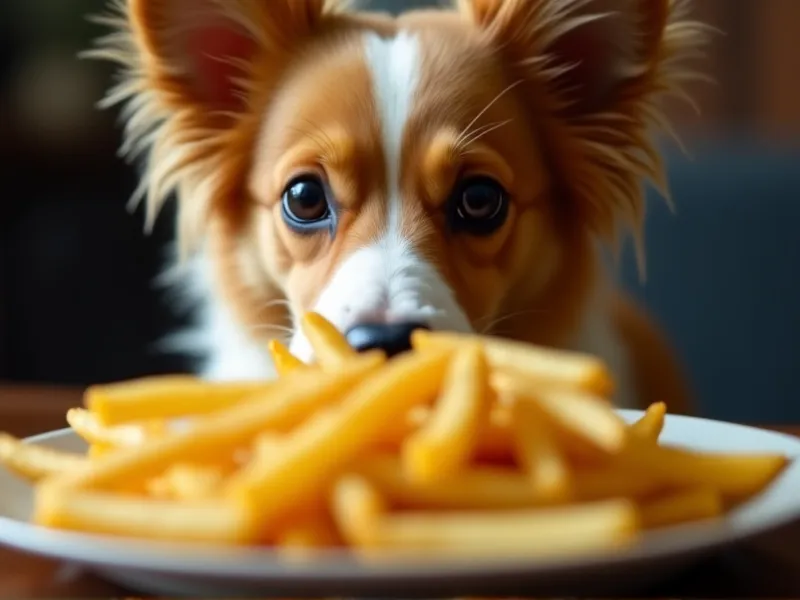
Table of Contents
- Can Dogs Eat French Fries Without Salt? The Short Answer
- Potential Benefits: Are There Any Nutritional Upsides?
- Risks to Watch For: Why Fries Aren’t a “Healthy” Treat
- How Much Is Safe? Guidelines for Feeding Unsalted Fries
- Healthier Alternatives to French Fries
- FAQ: Your Top Questions Answered
- Conclusion: Moderation Is Key—And When to Ask Your Vet
Can Dogs Eat French Fries Without Salt? The Short Answer
Yes, but only occasionally and in very small amounts.
Unsalted French fries aren’t toxic to dogs, but they’re far from a nutritious choice. Potatoes themselves are safe for dogs (in moderation), but the frying process soaks them in oil, strips away most nutrients, and adds empty calories. Even without salt, fries are high in fat and carbohydrates, which can lead to digestive issues, weight gain, or worse—like pancreatitis—if overfed.
Think of unsalted fries as a “sometimes” treat, not a regular snack. And always avoid fries with added seasonings (like garlic, onion, or paprika), which can be toxic to dogs, even in small doses.
Potential Benefits: Are There Any Nutritional Upsides?
Let’s start with the good news: Potatoes do have some nutritional value for dogs. When cooked plain (not fried), they’re a source of:
- Vitamin C: Supports immune health and collagen production.
- Vitamin B6: Aids in brain function and red blood cell formation.
- Potassium: Helps regulate heart rate and muscle function.
- Fiber: Supports digestion (though fries have less fiber than baked potatoes).
But here’s the catch: French fries are fried, not baked. The high heat and oil strip away most of these nutrients, leaving behind a starchy, fatty shell. So while a single unsalted fry might have trace amounts of these vitamins, it’s not enough to count as a “benefit.”
In short: Don’t feed fries to your dog for nutrition. If you want to share a potato-based treat, opt for a plain, baked potato (no butter, salt, or toppings) instead.
Risks to Watch For: Why Fries Aren’t a “Healthy” Treat
Now, let’s talk about the risks. Even without salt, French fries come with several downsides that make them a poor choice for regular treats:
1. High Fat Content: A Pancreatitis Risk
Fries are fried in oil, which makes them high in fat—even “low-fat” fries can have 3-5 grams of fat per serving. Dogs’ bodies aren’t designed to process large amounts of fat, and excess fat can trigger pancreatitis—a painful, potentially life-threatening condition where the pancreas becomes inflamed. Symptoms include vomiting, diarrhea, lethargy, and loss of appetite.
Small dogs are especially at risk: A few fries could push their daily fat intake over the edge. Even large dogs can develop pancreatitis from regular fatty treats.
2. Stomach Upset: Gas, Diarrhea, or Bloating
Dogs have sensitive digestive systems, and greasy, fried foods like fries can disrupt their gut balance. This can lead to:
- Gas or bloating
- Diarrhea (sometimes with mucus or blood)
- Stomach cramps or discomfort
Puppies, senior dogs, and dogs with sensitive stomachs (like those with IBS) are even more likely to react poorly.
3. Choking Hazard
Long, thin fries can be a choking risk, especially for small dogs or dogs who gulp their food. Hard, crispy fries can also scratch the throat or get stuck in the esophagus. To reduce this risk, break fries into tiny pieces before sharing (if you must share at all).
4. Hidden Additives (Even Without Salt)
“Unsalted” doesn’t always mean “plain.” Some fries are coated in batter, dusted with herbs (like rosemary, which is safe in small amounts but not ideal), or cooked in oil that’s been used for other foods (like onion rings or garlic bread). Onion and garlic are toxic to dogs, even in small doses, as they damage red blood cells and cause anemia.
Always check the ingredients if you’re sharing fries from a restaurant—many use seasonings or oils that include hidden toxins.
5. Empty Calories: Weight Gain and Obesity
Fries are calorie-dense but nutrient-poor. A medium order of fries has ~300 calories—more than 10% of a 30-pound dog’s daily calorie needs! Feeding fries regularly can lead to weight gain, which raises the risk of diabetes, joint pain, and heart disease.
How Much Is Safe? Guidelines for Feeding Unsalted Fries
If you decide to share a fry (or two) with your dog, follow these rules to minimize risk:
Stick to “Tiny” Portions
- Small dogs (under 20 lbs): 1-2 tiny fries (broken into pieces) max.
- Medium dogs (20-50 lbs): 2-3 small fries.
- Large dogs (50+ lbs): 3-4 small fries.
Only Occasionally
Limit fries to once a week or less. Think of them as a “special occasion” treat (like after a walk, or on movie night), not a daily snack.
Avoid “Flavored” Fries
Even if labeled “unsalted,” fries might have other seasonings (e.g., paprika, garlic powder, or onion salt). Always check the ingredients, and when in doubt, skip them.
Watch for Reactions
After sharing a fry, monitor your dog for 24 hours. If they develop vomiting, diarrhea, lethargy, or loss of appetite, contact your vet—these could be signs of pancreatitis or digestive upset.
Healthier Alternatives to French Fries
If you want to treat your dog to a crispy, potato-like snack (or just something more nutritious), try these alternatives instead:
1. Baked Sweet Potato Fries (Homemade!)
Sweet potatoes are lower in fat and higher in fiber than regular potatoes, plus they’re packed with beta-carotene (which converts to vitamin A, supporting eye health). To make them:
- Slice a sweet potato into thin strips.
- Toss with a tiny bit of olive oil (optional).
- Bake at 400°F for 20-25 minutes until crispy.
- Let cool, then serve plain (no salt or seasonings).
2. Plain Baked Potato Cubes
A simple baked potato (no toppings) is a great low-calorie treat. Just:
- Bake a potato until soft.
- Scoop out the flesh, mash it, or cube it.
- Let cool, then serve a spoonful as a snack.
3. Carrot Sticks
Crunchy, low-calorie, and full of fiber and vitamin A. Most dogs love raw carrots—they’re like “nature’s dental floss” for cleaning teeth!
4. Green Beans
Steamed or raw green beans are high in fiber and low in calories. They’re a great “filler” for dogs on a diet, and many pups enjoy their crisp texture.
5. Apple Slices (No Seeds!)
Apples are a sweet, crunchy treat with fiber and vitamin C. Just remove the core and seeds (seeds contain cyanide, which is toxic in large amounts) before serving.
FAQ: Your Top Questions Answered
Q: Can puppies eat French fries without salt?
A: It’s best to avoid. Puppies have developing digestive systems and are more prone to stomach upset from fatty foods. Stick to puppy-safe treats (like plain yogurt or small pieces of chicken) instead.
Q: My dog ate a whole plate of unsalted fries—what should I do?
A: Contact your vet immediately. A large amount of fries could cause pancreatitis, especially if your dog is small or has a history of digestive issues. Watch for symptoms like vomiting, diarrhea, or lethargy, and follow your vet’s advice (they may recommend monitoring at home or bringing your dog in).
Q: Are sweet potato fries better than regular fries for dogs?
A: Yes—if they’re baked, not fried, and unsalted. Sweet potatoes have more nutrients (fiber, beta-carotene) and less starch than regular potatoes. But even baked sweet potato fries should be an occasional treat, not a staple.
Q: Can dogs eat air-fried French fries?
A: Air-fried fries have less oil than deep-fried ones, but they’re still high in starch and not very nutritious. They’re a slightly better option than deep-fried fries, but still not ideal. Stick to the portion guidelines above if you share them.
Q: Is salt the only seasoning that’s bad for dogs in fries?
A: No! Onion, garlic, chives, and shallots are all toxic to dogs (they damage red blood cells). Some herbs (like oregano or thyme) are safe in small amounts but unnecessary. Always avoid fries with any added seasonings.
Conclusion: Moderation Is Key—And When to Ask Your Vet
So, can dogs eat French fries without salt? Yes, but only as an occasional, tiny treat. They’re not toxic, but they’re high in fat, low in nutrients, and come with risks like pancreatitis or stomach upset.
If you want to share a snack with your dog, opt for healthier alternatives like baked sweet potato, carrot sticks, or apple slices. These treats are nutritious, low-risk, and just as tasty (in your dog’s opinion, anyway!).
And remember: Every dog is different. If your dog has a health condition (like diabetes, pancreatitis, or obesity), even a single fry could be harmful. Always check with your vet before introducing new foods to your dog’s diet—they’ll help you make the best choice for your pup’s unique needs.
At the end of the day, the best treat you can give your dog is love, playtime, and a balanced diet. But if you do share a fry? Enjoy that tail wag—just make it a rare moment.
References
- American Kennel Club (AKC). “Can Dogs Eat Potatoes?” akc.org
- ASPCA. “People Foods to Avoid Feeding Your Pets.” aspca.org
- VCA Animal Hospitals. “Pancreatitis in Dogs.” vcahospitals.com
- PetMD. “Can Dogs Eat Sweet Potatoes?” petmd.com