· 8 min read
Can Dogs Eat French Fries? A Pet Parent’s Guide to Sharing Snacks Safely
It’s a lazy Sunday evening, and you’re curled up on the couch with a burger and a side of golden, crispy French fries. Across the room, your dog—let’s call him Max—perks up. His ears twitch, his tail thumps a rapid rhythm against the floor, and he trots over, plopping down with those big, imploring eyes that seem to say, “C’mon, just one? I’ll love you forever.”
If you’ve ever found yourself in this situation, you’re not alone. A 2022 survey by the American Pet Products Association (APPA) found that 62% of dog owners share human food with their pets at least occasionally. But when it comes to French fries, the question lingers: Can dogs eat French fries? Are they a harmless treat or a hidden health risk?
In this guide, we’ll break down everything you need to know—from the potential upsides (yes, there are a few) to the very real risks, plus how to share safely (if at all) and healthier alternatives your pup will love just as much.
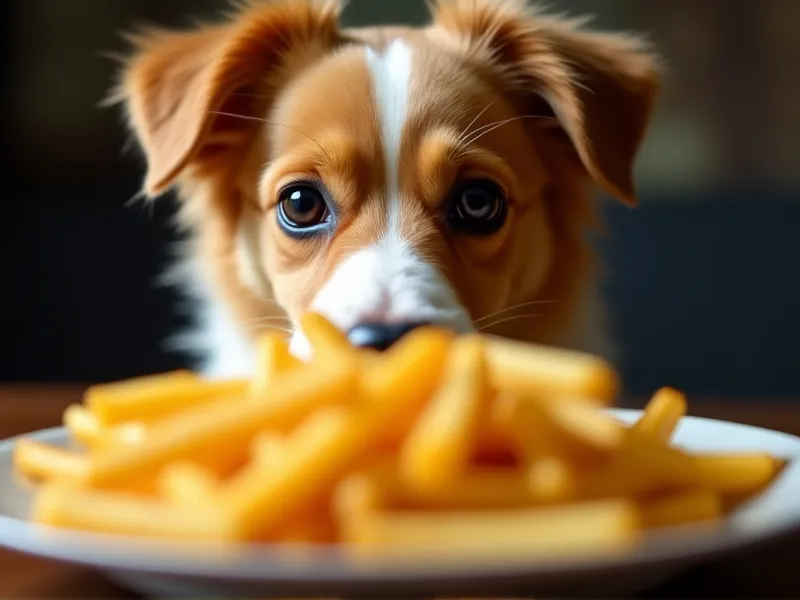
Table of Contents
- Can Dogs Eat French Fries? The Short Answer
- Potential “Benefits”: What’s in a Fry, Anyway?
- The Risks: Why French Fries Are More Harm Than Good
- Safe Guidelines: If You Must Share, Do It Right
- Healthier Alternatives to French Fries
- FAQ: Your Burning Questions Answered
- Conclusion: Fries Are a Treat, Not a Staple
Can Dogs Eat French Fries? The Short Answer
Yes, but… Dogs can technically eat small amounts of plain, unsalted, unseasoned French fries occasionally. However, they are far from a healthy choice. French fries are high in fat, salt, and empty calories, and their preparation (fried in oil, often with added toppings) makes them more of a “junk food” for dogs than a nutritious snack.
Think of it this way: Sharing a fry with your dog is like giving them a potato chip—fine once in a blue moon, but not something you’d want to make a habit.
Potential Benefits: What’s in a Fry, Anyway?
To understand if French fries offer any benefits, we need to look at their base ingredient: the humble potato. Potatoes themselves are not toxic to dogs and can provide some nutrients when prepared properly (e.g., baked, not fried). A plain baked potato (without salt, butter, or toppings) contains:
- Potassium: Supports heart and muscle function.
- Vitamin C: An antioxidant that boosts immune health.
- Fiber: Aids digestion.
- Vitamin B6: Helps with energy metabolism.
However, French fries are a processed version of potatoes. They’re sliced, fried in oil, and often seasoned—all of which strip away most of the potato’s natural benefits and add harmful components. By the time a potato becomes a French fry, the “benefits” are minimal and heavily overshadowed by the risks.
In short: The potato is good; the fry is not.
The Risks: Why French Fries Are More Harm Than Good
While a single plain fry might not harm your dog, regular or large servings can lead to serious health issues. Here’s why French fries are risky:
1. High Fat Content: A Recipe for Stomach Upset (and Worse)
Most French fries are deep-fried in oil, making them high in fat. Dogs have sensitive digestive systems, and a sudden influx of fat can cause:
- Vomiting or diarrhea: Greasy foods irritate the gut lining, leading to inflammation.
- Pancreatitis: This painful condition occurs when the pancreas (which aids digestion) becomes inflamed, often triggered by high-fat diets. Symptoms include lethargy, loss of appetite, and severe abdominal pain—and it can be life-threatening if left untreated.
2. Salt Toxicity: Too Much Sodium Is Dangerous
Salt is a major concern. A medium order of fast-food fries can contain 300–500 mg of sodium—more than the daily recommended amount for most dogs. For context:
- Small dogs (e.g., Chihuahuas, Yorkies): ~100 mg sodium/day.
- Medium dogs (e.g., Beagles, Cocker Spaniels): ~200–300 mg/day.
- Large dogs (e.g., Labs, German Shepherds): ~300–400 mg/day.
Excess salt causes hypernatremia (salt poisoning), which leads to:
- Thirst, frequent urination, or dry gums.
- Tremors, seizures, or even coma in severe cases.
3. Choking Hazards: Size and Texture Matter
French fries are long, thin, and sometimes crispy—all qualities that make them a choking risk, especially for small dogs or dogs who gulp their food. A dog might swallow a fry whole, leading to blockages in the throat or intestines (which can require surgery to remove).
4. Toppings and Seasonings: Hidden Dangers
Most people don’t eat plain fries—and neither do their dogs. Common toppings like ketchup, cheese, garlic salt, or barbecue sauce add extra risks:
- Ketchup: High in sugar (empty calories) and salt.
- Garlic/onion powder: Toxic to dogs, even in small amounts, as they damage red blood cells.
- Cheese: High in fat and lactose (many dogs are lactose intolerant, leading to gas or diarrhea).
5. Long-Term Risks: Weight Gain and Chronic Disease
Regularly feeding fries can lead to obesity, which increases the risk of diabetes, joint pain, and heart disease in dogs. A single medium fry has ~30 calories—for a 10-pound dog, that’s like a human eating a slice of pizza! Over time, those extra calories add up.
Safe Guidelines: If You Must Share, Do It Right
If you decide to share a fry with your dog (we get it—those puppy eyes are hard to resist!), follow these rules to minimize risk:
1. Stick to “Plain Jane” Fries
Choose fries that are:
- Unsalted: No added salt or salt substitutes (which often contain toxic xylitol).
- Unseasoned: No pepper, garlic, paprika, or other spices.
- No toppings: Skip ketchup, cheese, chili, or gravy.
2. Portion Control: Less Is Always More
A good rule of thumb:
- Small dogs (under 20 lbs): 1–2 tiny fries (e.g., from a kid’s meal).
- Medium dogs (20–50 lbs): 2–3 small fries.
- Large dogs (50+ lbs): 3–4 small fries.
And this should be a once-in-a-while treat—not weekly (or even monthly, ideally).
3. Monitor for Reactions
After sharing, watch your dog for 24 hours. Signs of trouble include vomiting, diarrhea, lethargy, or excessive thirst. If you notice any of these, contact your vet immediately.
4. Avoid “Fast Food” Fries Altogether
Fast-food fries are often the worst offenders—they’re fried in reused oil (higher in trans fats) and heavily salted. Opt for homemade fries (baked, not fried) if you must share, but even then, keep portions tiny.
Healthier Alternatives to French Fries
Instead of fries, treat your dog to these nutrient-packed alternatives that are safe, delicious, and good for them:
1. Baked Sweet Potato “Fries”
Sweet potatoes are a superfood for dogs! They’re high in fiber, vitamin A (supports eye health), and antioxidants. Slice a sweet potato into sticks, toss with a tiny bit of olive oil, bake at 375°F for 20–25 minutes, and let cool. Your dog will go crazy for these crunchy, naturally sweet treats.
2. Steamed Carrots
Crunchy, low-calorie, and packed with beta-carotene (which converts to vitamin A), carrots are perfect for dogs. Steam them until soft (or serve raw for a teeth-cleaning chew) and watch your pup munch happily.
3. Green Beans
Fresh or steamed green beans are a great low-fat, high-fiber snack. They’re especially good for overweight dogs, as they add volume to meals without extra calories.
4. Plain Baked Potato Chunks
Skip the fry and go straight to the source! A small chunk of plain baked potato (no salt, butter, or skin—skin can be hard to digest) is a safe, starchy treat that provides potassium and fiber.
5. Apple Slices (No Seeds!)
Apples are rich in fiber and vitamin C. Remove the core and seeds (seeds contain small amounts of cyanide, toxic in large doses), slice, and serve. Most dogs love the sweet, crunchy texture!
FAQ: Your Burning Questions Answered
Q: Can dogs eat French fries with ketchup?
A: No. Ketchup is high in sugar (which contributes to obesity and diabetes) and salt (which is toxic in excess). Some brands also contain onion powder, which is poisonous to dogs.
Q: My dog stole a whole plate of fries! What should I do?
A: Stay calm, but act fast. If the fries were salty, greasy, or seasoned, contact your vet immediately—especially if your dog is small or has a history of pancreatitis. Symptoms like vomiting, diarrhea, or lethargy may appear within hours, so don’t wait to seek help.
Q: Are sweet potato fries better than regular fries for dogs?
A: Baked sweet potato fries (plain, unsalted) are far better than regular fries. They’re lower in fat, higher in nutrients, and easier to digest. Just avoid deep-fried sweet potato fries—oil adds unnecessary fat.
Q: Can puppies eat French fries?
A: It’s best to avoid giving fries to puppies. Their digestive systems are still developing, and high-fat, salty foods can cause more severe stomach upset. Stick to puppy-safe treats like small apple slices or plain yogurt (unsweetened).
Q: Are air-fried French fries safer than deep-fried?
A: Air-fried fries use less oil than deep-fried, so they’re slightly lower in fat—but they’re still not healthy. They often still contain salt, and the potato is still processed. Save air fryer recipes for your snacks, and give your dog a baked sweet potato instead.
Conclusion: Fries Are a Treat, Not a Staple
At the end of the day, sharing a French fry with your dog is a personal choice—but it’s one that should be made carefully. While an occasional plain fry won’t harm most dogs, they offer no nutritional value and come with real risks like salt toxicity, pancreatitis, or obesity.
Instead of reaching for the fry basket, opt for healthier alternatives like baked sweet potatoes or carrots. Your dog will love the taste, and you’ll love knowing you’re keeping them happy and healthy.
As always, if you have questions about your dog’s diet, consult your veterinarian. They can provide personalized advice based on your pup’s age, weight, and health needs.
Here’s to many more tail-wagging snack times—with treats that are as good for them as they are delicious!
References
- American Pet Products Association (APPA). (2022). Pet Food & Treats Market Outlook.
- American Kennel Club (AKC). (2023). “Human Foods Dogs Can and Can’t Eat.”
- ASPCA. (2023). “Toxic and Non-Toxic Plants: Potato.”
- PetMD. (2023). “Salt Poisoning in Dogs.”
- Veterinary Centers of America (VCA). (2023). “Pancreatitis in Dogs.”