· 6 min read
Can Dogs Eat Freeze-Dried Skittles? What Pet Parents Need to Know
Picture this: You’re snacking on a bag of crunchy, colorful freeze-dried Skittles, and your dog—ever the opportunist—stares up at you with those big, pleading eyes. “Just one tiny piece?” you think. “They’re freeze-dried, so they must be healthier than regular candy, right?”
If you’ve found yourself asking, “Can dogs eat freeze-dried Skittles?” you’re not alone. Pet parents often wonder about sharing human snacks with their pups, especially when “freeze-dried” sounds like a more natural, wholesome option. But the truth is, not all freeze-dried treats are created equal—especially when they’re candy.
In this post, we’ll break down whether freeze-dried Skittles are safe for dogs, the risks they pose, and healthier alternatives to satisfy your pup’s snack cravings. Let’s dive in!
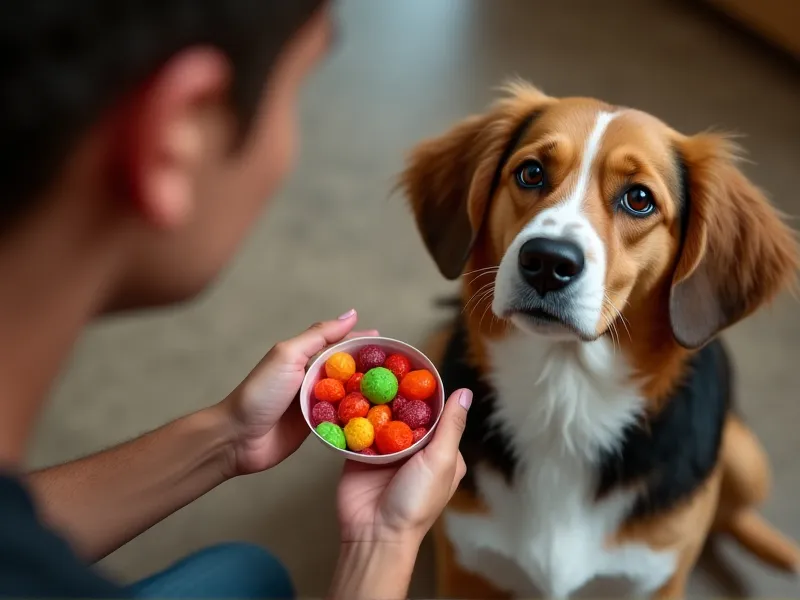
Table of Contents
- Can Dogs Eat Freeze-Dried Skittles? The Short Answer
- Potential Benefits: Are There Any?
- The Risks of Feeding Freeze-Dried Skittles to Dogs
- Sugar Overload: A Recipe for Health Issues
- Artificial Colors and Flavors: Hidden Dangers?
- Stomach Upset and Digestive Distress
- Choking Hazard: Small, Hard Pieces
- Pancreatitis: A Rare but Serious Risk
- How Much Freeze-Dried Skittles Is “Safe” for Dogs?
- Healthier Alternatives to Freeze-Dried Skittles
- FAQ: Your Questions Answered
- Conclusion: Prioritize Your Pup’s Health
Can Dogs Eat Freeze-Dried Skittles? The Short Answer
No, dogs should not eat freeze-dried Skittles—even as an occasional treat.
While a single accidental Skittle (freeze-dried or regular) is unlikely to poison your dog, these sugary, artificial snacks offer zero nutritional value and come with several risks. Freeze-drying removes moisture, concentrating the sugar and additives, making them even less suitable for canine consumption than their chewy counterparts.
Let’s unpack why.
Potential Benefits: Are There Any?
You might be thinking, “But freeze-dried foods are supposed to be healthy, right?” It’s true that freeze-drying preserves nutrients in natural foods like fruits or vegetables. But Skittles are not natural—they’re candy.
Freeze-dried Skittles contain:
- Sugar (the main ingredient)
- Corn syrup (another sugar source)
- Artificial colors (Red 40, Yellow 5, Blue 1, etc.)
- Artificial flavors
- Hydrogenated oils (for texture)
- Tapioca dextrin (a thickener)
There are no vitamins, minerals, fiber, or potassium in Skittles—freeze-dried or not. Your dog’s body doesn’t need sugar, and these ingredients won’t support their health. In short: There are no meaningful benefits to feeding freeze-dried Skittles to dogs.
The Risks of Feeding Freeze-Dried Skittles to Dogs
Now, let’s get to the important part: why these colorful snacks are risky for your pup.
Sugar Overload: A Recipe for Health Issues
Dogs have no biological need for added sugar. Their bodies are designed to get energy from protein, healthy fats, and complex carbs—not processed sugars.
- Obesity: Extra sugar turns to fat, and obesity in dogs increases the risk of joint pain, heart disease, and diabetes.
- Dental Disease: Sugar feeds harmful bacteria in your dog’s mouth, leading to plaque, tartar, and gum disease.
- Energy Spikes and Crashes: Like humans, dogs can experience hyperactivity followed by lethargy after consuming sugar, which is stressful for their bodies.
Artificial Colors and Flavors: Hidden Dangers?
Skittles are famous for their bright hues, but those colors come from synthetic dyes like Red 40 and Yellow 5. The FDA deems these safe for humans, but dogs process chemicals differently, and research on their long-term effects in canines is limited.
Some studies suggest artificial colors may contribute to:
- Allergic reactions (itching, skin rashes)
- Behavioral issues (hyperactivity, restlessness)
- Organ strain over time (especially the liver, which filters toxins).
Artificial flavors, too, are unnecessary and offer no benefit to your dog.
Stomach Upset and Digestive Distress
Dogs’ digestive systems aren’t built to handle large amounts of sugar. Even a small handful of freeze-dried Skittles can cause:
- Diarrhea
- Vomiting
- Bloating
- Abdominal pain
Puppies, small breeds, and dogs with sensitive stomachs are especially prone to these issues.
Choking Hazard: Small, Hard Pieces
Freeze-dried Skittles are crunchy and brittle, with a hard texture. Small pieces can easily get stuck in a dog’s throat, especially if they gulp treats without chewing. This is a particular risk for toy breeds like Chihuahuas or Yorkies.
Pancreatitis: A Rare but Serious Risk
In large quantities, high-sugar foods can trigger pancreatitis—inflammation of the pancreas. While more commonly linked to high-fat foods, excessive sugar can also overstimulate the pancreas, leading to symptoms like severe vomiting, abdominal pain, and lethargy. Pancreatitis is life-threatening and requires immediate veterinary care.
How Much Freeze-Dried Skittles Is “Safe” for Dogs?
There’s no “safe” amount to feed intentionally. Even a few Skittles can upset your dog’s stomach, and regular feeding will increase their risk of long-term health issues.
If your dog accidentally snatches 1–2 freeze-dried Skittles:
- Monitor them for 24 hours.
- Watch for diarrhea, vomiting, or lethargy.
- Offer plenty of fresh water to help dilute the sugar.
If they eat more than that (e.g., a handful), contact your vet. Symptoms like persistent vomiting or diarrhea may require treatment to prevent dehydration.
Healthier Alternatives to Freeze-Dried Skittles
Instead of Skittles, treat your dog to freeze-dried snacks that actually benefit their health. Here are our top picks:
1. Freeze-Dried Fruits (Unsweetened)
Many fruits are safe and nutritious for dogs, and freeze-drying preserves their vitamins and fiber. Try:
- Blueberries (rich in antioxidants)
- Apples (core and seeds removed; high in fiber)
- Bananas (in moderation—natural sugars, potassium)
- Strawberries (vitamin C and fiber)
Avoid grapes, raisins, and cherries (toxic to dogs).
2. Freeze-Dried Vegetables
Vegetables are low in calories and packed with nutrients:
- Carrots (crunchy, good for teeth)
- Green beans (fiber and vitamins)
- Sweet potatoes (natural sweetness, beta-carotene)
3. Commercial Dog Treats with Natural Ingredients
Look for freeze-dried dog treats made with single-ingredient proteins (e.g., chicken, salmon) or fruits/veggies. Brands like Stella & Chewy’s or Primal offer high-quality options without added sugar or artificial ingredients.
4. Homemade “Skittles” for Dogs
Get creative! Mix freeze-dried blueberry, banana, and apple pieces for a colorful, dog-safe snack. No added sugar—just natural sweetness.
FAQ: Your Questions Answered
Q: My dog ate a whole bag of freeze-dried Skittles! What should I do?
A: Contact your vet immediately. Large amounts of sugar can cause vomiting, diarrhea, or pancreatitis. Your vet may recommend inducing vomiting or monitoring for symptoms.
Q: Are freeze-dried Skittles worse than regular Skittles for dogs?
A: Yes. Freeze-drying removes water, concentrating the sugar and additives. A freeze-dried Skittle has the same sugar content as a regular one but in a smaller, crunchier package—making it easier to overfeed.
Q: Can puppies eat freeze-dried Skittles?
A: Puppies have smaller stomachs and developing digestive systems, so even a few Skittles could cause upset. Skip the sugar and opt for puppy-safe treats instead.
Q: My dog begs for Skittles—how do I say no without feeling guilty?
A: Dogs thrive on routine and positive reinforcement. Offer a healthy alternative (like a freeze-dried blueberry) when they beg, and praise them for taking it. Consistency will help them learn!
Q: Are there any “safe” artificial colors for dogs?
A: No. The FDA hasn’t tested artificial colors specifically for dogs, and there’s no need to risk it. Stick to natural, uncolored treats.
Conclusion: Prioritize Your Pup’s Health
Freeze-dried Skittles might look like a fun, crunchy treat, but they’re nothing more than empty calories for your dog. Save the sugar for yourself, and opt for snacks that nourish their bodies—like freeze-dried fruits, veggies, or high-quality dog treats.
Remember: When in doubt, consult your vet. They can help you choose treats that fit your dog’s age, size, and health needs.
Your dog loves you unconditionally—return the favor with snacks that keep them happy and healthy. 🐾