· 8 min read
Can Dogs Eat Fish? Benefits, Risks, and Safe Feeding Guidelines for Pet Parents
It’s a sunny afternoon, and you’re grilling salmon for dinner. Your dog trots over, tail thumping, nose twitching at the savory aroma. They gaze up at you with those “please share” eyes—and suddenly, you pause. Fish is packed with nutrients for humans, but is it safe for your pup? Can dogs eat fish, or is it off the menu?
If you’ve ever wondered whether to toss your dog a flaky bite of seafood, you’re in the right place. Fish can be a healthy addition to your dog’s diet, but it’s not without risks. In this guide, we’ll break down the benefits, potential dangers, and how to safely share fish with your four-legged friend. Let’s dive in!
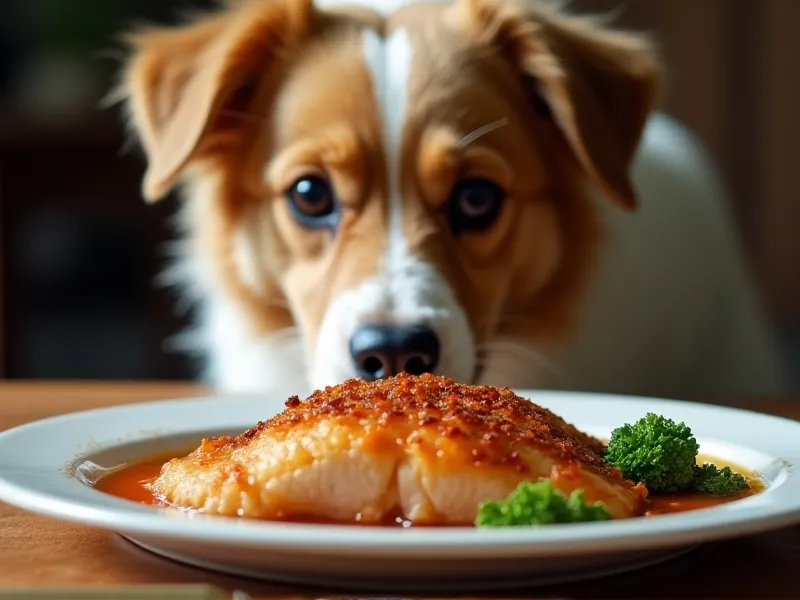
Table of Contents
- Can Dogs Eat Fish? The Short Answer
- The Benefits of Fish for Dogs: Why It’s a Nutritional Powerhouse
- Potential Risks of Feeding Fish to Dogs: What to Watch For
- Safe Fish Guidelines: How Much, What Kind, and How to Serve
- Healthier Alternatives to Fish (If Needed)
- FAQ: Your Top Fish-and-Dog Questions Answered
- Conclusion: Fish as a Treat, Not a Staple
- References
Can Dogs Eat Fish? The Short Answer
Yes, dogs can eat fish—but with important caveats. Fish is a nutrient-dense food rich in protein, omega-3 fatty acids, and vitamins that can benefit your dog’s health. However, it must be prepared safely: cooked (not raw), deboned, and free of added seasonings, salt, or harmful ingredients. Some fish also contain mercury or parasites, so choosing the right type and portion size is key. When fed properly, fish can be a healthy, occasional treat for your pup.
The Benefits of Fish for Dogs: Why It’s a Nutritional Powerhouse
Fish isn’t just a tasty snack—it’s a superfood for dogs, packed with nutrients that support their overall well-being. Here’s why it might deserve a spot in your dog’s treat rotation:
1. Omega-3 Fatty Acids: Skin, Coat, and Joint Support
Fish (especially fatty fish like salmon or sardines) is loaded with omega-3 fatty acids, specifically EPA (eicosapentaenoic acid) and DHA (docosahexaenoic acid). These fats are game-changers for dogs:
- Skin and coat health: Omega-3s reduce inflammation,缓解 dry, itchy skin, and boost shine (goodbye, dull fur!).
- Joint health: They ease stiffness from arthritis or hip dysplasia by reducing joint inflammation.
- Brain and eye development: DHA supports cognitive function in puppies and helps maintain brain health in senior dogs.
- Heart health: Studies show omega-3s may lower triglycerides and support cardiovascular function.
2. High-Quality Protein: Muscle and Energy
Fish is a complete protein, meaning it contains all the essential amino acids your dog needs for:
- Muscle growth and repair (critical for active dogs or puppies).
- Healthy organ function and cell regeneration.
- Sustained energy (without the “crash” of processed treats).
3. Vitamins and Minerals: Immune and Bone Support
Fish is rich in key nutrients often missing from commercial dog food:
- Vitamin D: Supports bone health by aiding calcium absorption (many dogs are deficient in vitamin D, especially indoor pups).
- Vitamin B12: Boosts nerve function, red blood cell production, and energy levels.
- Selenium: An antioxidant that fights cell damage and supports thyroid health.
- Iodine: Essential for a healthy thyroid gland (regulates metabolism and energy).
4. Gentle on Sensitive Stomachs
Unlike red meat, fish is often easier to digest, making it a great option for dogs with food allergies, intolerances, or sensitive digestive systems. Many prescription dog foods even use fish as the primary protein source for this reason!
Potential Risks of Feeding Fish to Dogs: What to Watch For
While fish has benefits, it’s not without risks. Here’s what to avoid to keep your dog safe:
1. Fish Bones: A Choking and Injury Hazard
Cooked fish bones are the biggest danger. When cooked, bones become brittle and can splinter into sharp fragments. These can:
- Choke your dog (especially small breeds).
- Tear the throat, esophagus, or intestines (leading to internal bleeding or blockages).
- Get stuck in teeth or gums (causing pain or infection).
Even tiny bones (like those in sardines) can be risky, though some canned sardines have soft, edible bones (more on that later). When in doubt, always debone fish before feeding.
2. Mercury Poisoning: A Long-Term Risk
Some fish accumulate mercury, a toxic heavy metal that builds up in the body over time. High mercury levels can damage your dog’s nervous system, kidneys, and brain.
High-mercury fish to avoid: Shark, swordfish, king mackerel, tilefish, and bigeye tuna.
Low-mercury fish (safer options): Salmon, sardines, mackerel (Atlantic/Pacific), herring, and anchovies.
3. Parasites and Bacteria: Raw Fish Dangers
Raw or undercooked fish may contain parasites (like tapeworms or flukes) or bacteria (Salmonella, Listeria). These can cause:
- Diarrhea, vomiting, or abdominal pain.
- Severe infections (especially in puppies, seniors, or immunocompromised dogs).
Freezing fish at -4°F (-20°C) for 7+ days can kill some parasites, but cooking is the only surefire way to eliminate risks.
4. Added Ingredients: Salt, Seasonings, and Oils
Avoid sharing fish prepared for humans! Many seafood dishes include:
- Salt: Excess sodium causes dehydration, kidney strain, or even sodium ion poisoning (symptoms: vomiting, seizures).
- Garlic/onions: These are toxic to dogs (they damage red blood cells, leading to anemia).
- Butter, oil, or breading: High-fat toppings can trigger pancreatitis (a painful inflammation of the pancreas) in dogs.
5. Stomach Upset from Overfeeding
Even plain, cooked fish can cause digestive issues if fed in large amounts. Symptoms include diarrhea, vomiting, or gas. Moderation is key!
Safe Fish Guidelines: How Much, What Kind, and How to Serve
Follow these rules to safely share fish with your dog:
Step 1: Choose the Right Fish
Stick to low-mercury, fatty fish for maximum benefits and minimal risk:
✅ Best options:
- Salmon (wild-caught is ideal, but farmed is okay in moderation).
- Sardines (canned in water, no salt—small bones are soft and digestible).
- Mackerel (Atlantic or Pacific, not king mackerel).
- Herring or anchovies (fresh or canned in water).
❌ Avoid these:
- High-mercury fish (shark, swordfish, king mackerel, tilefish).
- Raw, undercooked, or spoiled fish.
- Breaded, fried, or seasoned fish (no lemon, garlic, or salt!).
Step 2: Prepare It Safely
- Cook thoroughly: Bake, boil, or grill fish until it flakes easily (145°F internal temp). No raw or rare fish!
- Debone carefully: Remove all bones, even tiny ones (use tweezers for precision).
- Keep it plain: No added salt, oil, butter, or seasonings.
Step 3: Stick to Treat Portions
Fish should be an occasional treat, not a meal replacement. As a rule:
- Small dogs (under 20 lbs): 1–2 ounces of fish per week.
- Medium dogs (20–50 lbs): 2–3 ounces per week.
- Large dogs (50+ lbs): 3–4 ounces per week.
This equals ~10% of your dog’s daily calories (the rest should come from balanced dog food). Overfeeding can lead to weight gain or nutrient imbalances.
Step 4: Introduce Slowly
Start with a tiny piece (e.g., 1 teaspoon for small dogs) and watch for allergies (itching, hives) or digestive upset (vomiting, diarrhea). If all goes well, gradually increase portions.
Healthier Alternatives to Fish (If Needed)
If your dog doesn’t like fish, or you’re concerned about mercury, try these alternatives for similar benefits:
1. Fish Oil Supplements
Veterinary-approved fish oil (look for EPA/DHA on the label) delivers omega-3s without the hassle of cooking fish. Follow your vet’s dosage instructions—too much can cause diarrhea.
2. Plant-Based Omega-3s
Flaxseed or chia seeds (ground, not whole!) contain ALA (alpha-linolenic acid), which the body converts to omega-3s (less efficiently than fish, but still beneficial). Mix 1/4–1 teaspoon (depending on dog size) into food.
3. Lean Proteins
Chicken, turkey, or lean beef are excellent protein sources with fewer risks than fish. They’re also budget-friendly and easy to prepare!
FAQ: Your Top Fish-and-Dog Questions Answered
Q: Can dogs eat raw fish?
A: It’s not recommended. Raw fish carries parasites (like tapeworms) and bacteria (Salmonella). Cooking eliminates these risks. If you feed raw, use sushi-grade fish, freeze it first, and consult your vet.
Q: Can dogs eat canned fish?
A: Yes! Opt for canned fish in water (not oil) with no added salt or seasonings. Canned sardines, mackerel, or light tuna (in moderation) are safe. Avoid brine or oil-packed varieties (high in sodium/fat).
Q: Are fish bones ever safe for dogs?
A: Only very soft, tiny bones (like those in canned sardines) may be digestible, but it’s safer to avoid them unless your vet approves. Cooked bones of any size are a choking hazard.
Q: How often can I feed my dog fish?
A: 1–2 times per week at most. Overdoing it can lead to mercury buildup or stomach issues.
Q: Is salmon safe for dogs?
A: Yes! Cooked, deboned salmon is one of the best fish for dogs (rich in omega-3s). Avoid raw salmon, which may contain a parasite (Nanophyetus salmincola) that causes “salmon poisoning disease” (fatal if untreated).
Conclusion: Fish as a Treat, Not a Staple
Fish can be a delicious, nutrient-packed treat for your dog—when fed safely. From supporting a shiny coat to easing joint pain, its benefits are hard to beat. Just remember: cook it thoroughly, remove all bones, stick to low-mercury varieties, and keep portions small.
As with any new food, consult your vet first—especially if your dog has health issues (like kidney disease or allergies). They can help tailor a safe feeding plan for your pup’s unique needs.
So go ahead—share a bite of grilled salmon with your dog (after deboning, of course!). With a little care, you’ll both enjoy this healthy, seafood snack.
References
- American Kennel Club (AKC). “Can Dogs Eat Fish?” akc.org
- American College of Veterinary Nutrition (ACVN). “Fish in Canine Diets.” acvn.org
- PetMD. “Is Fish Good for Dogs?” petmd.com
- FDA. “Mercury Levels in Commercial Fish and Shellfish.” fda.gov
- Cummings School of Veterinary Medicine. “Omega-3 Fatty Acids for Dogs.” tufts.edu