· 9 min read
Can Dogs Eat Fish Heads? Benefits, Risks, and Safe Feeding Guidelines
You’ve just finished pan-searing a fresh trout for dinner, and as you clear the kitchen, you notice the leftover fish head sitting on the cutting board. Your dog, ever the culinary detective, is already at your feet, tail thumping, nose twitching, and those big, hopeful eyes locked on that bony prize. “Is this safe for them?” you wonder. “Could a fish head be a tasty treat, or is it a recipe for disaster?”
If you’ve found yourself asking, “Can dogs eat fish heads?”, you’re not alone. Fish is often hailed as a healthy protein for pups, but fish heads—with their mix of bones, cartilage, and tissue—raise unique questions. Let’s dive into the details: the benefits, the risks, and how to decide if sharing that fish head is a good idea for your four-legged friend.
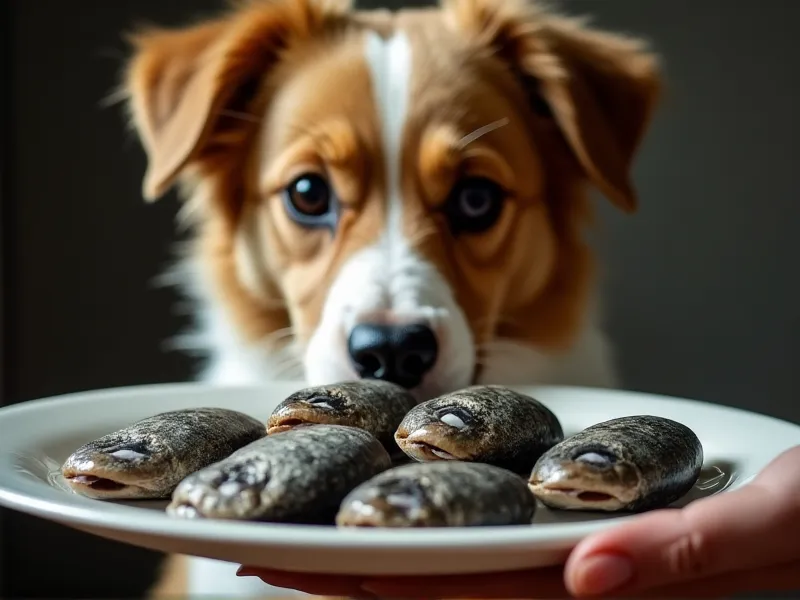
Table of Contents
- Can Dogs Eat Fish Heads? The Short Answer
- The Potential Benefits of Fish Heads for Dogs
- The Risks: What to Watch Out For
- How to Safely Feed Fish Heads to Your Dog (If You Choose To)
- Healthier Alternatives to Fish Heads
- FAQ: Your Top Questions Answered
- Conclusion: Moderation and Common Sense
Can Dogs Eat Fish Heads? The Short Answer
Yes, dogs can eat fish heads—but with significant caveats. Fish heads aren’t toxic to dogs, and they can offer some nutritional benefits. However, they also come with risks, like choking hazards, sharp bones, and potential contaminants. Whether you should feed your dog a fish head depends on factors like your dog’s size, age, health, and how the fish head is prepared.
In short: Fish heads aren’t a “never” food, but they’re far from a “yes, anytime” treat. Let’s break down the pros and cons to help you decide.
The Potential Benefits of Fish Heads for Dogs
Fish heads might not look appetizing to us, but they’re packed with nutrients that can support your dog’s health—when prepared and fed correctly. Here’s what makes them potentially beneficial:
1. Rich in Omega-3 Fatty Acids
Fish (and their heads!) are famous for omega-3s, like EPA and DHA. These fatty acids support:
- Healthy skin and a shiny coat (great for dogs with dry, itchy skin).
- Joint health (reducing inflammation in conditions like arthritis).
- Brain function (especially important for puppies and senior dogs).
- Heart health (lowering triglycerides and supporting cardiovascular function).
The head, including the cheeks and eye area, is often high in these fats—sometimes even more than the fillet!
2. Nutrient-Dense Vitamins and Minerals
Fish heads are a treasure trove of micronutrients:
- Vitamin B12: Essential for nerve function and red blood cell production.
- Vitamin D: Supports bone health and immune function (many dogs are deficient in D, especially indoor pups).
- Selenium: An antioxidant that protects cells from damage.
- Potassium: Regulates blood pressure and muscle function.
- Calcium and Phosphorus: Found in the bones and cartilage, these support strong bones and teeth (though dogs need a balanced ratio of calcium to phosphorus).
3. Natural Fiber from Cartilage
The soft cartilage in fish heads (like around the gills or jaw) is a gentle source of fiber. Fiber aids digestion, helps maintain a healthy gut microbiome, and can even support weight management by keeping your dog feeling full longer.
4. A Tasty, Low-Calorie Treat
Compared to processed dog treats (which are often high in carbs and additives), fish heads are low in calories and high in protein. A small, cooked fish head can be a satisfying reward without adding extra fluff to your dog’s diet.
The Risks: What to Watch Out For
While fish heads have benefits, they’re not without risks. Here’s why you should think twice before tossing that head to your pup:
1. Choking Hazard
Fish heads are irregularly shaped, with small bones, fins, and slippery tissue—all of which can pose a choking risk, especially for small dogs or dogs who gulp their food. A bone or fin could get stuck in your dog’s throat, leading to gagging, difficulty breathing, or even a life-threatening blockage.
2. Sharp Bones and Internal Injury
Not all fish bones are created equal. Small, soft bones (like those in sardines or anchovies) are usually safe—they’re soft enough to crush and digest. But larger fish (like salmon, trout, or tuna) have thicker, sharper bones in their heads. These can:
- Puncture the esophagus, stomach, or intestines (causing internal bleeding or infection).
- Get stuck in the digestive tract (requiring surgery to remove).
3. Mercury and Environmental Contaminants
Large, predatory fish (like swordfish, shark, or big tuna) accumulate mercury and toxins like PCBs in their bodies—including their heads. Mercury poisoning in dogs can cause neurological issues, kidney damage, or even death. Smaller fish (sardines, mackerel, herring) are lower in mercury, making their heads safer choices.
4. Parasites and Bacteria (If Raw)
Feeding raw fish heads is risky. Raw fish can contain parasites like Anisakis (a roundworm) or bacteria like Salmonella or E. coli. These can cause vomiting, diarrhea, or more severe illness in dogs (and even humans, if handling raw fish). Cooking the fish head kills these pathogens, making it safer.
5. Stomach Upset
Even if the bones don’t cause physical harm, a fish head might upset your dog’s stomach. The strong fishy flavor, high fat content, or sudden introduction of a new food can lead to vomiting, diarrhea, or gas—especially in dogs with sensitive tummies.
How to Safely Feed Fish Heads to Your Dog (If You Choose To)
If you want to share a fish head with your dog, follow these guidelines to minimize risks:
1. Stick to Small, Low-Mercury Fish
Opt for small fish like sardines, mackerel, anchovies, or smelt. Their heads are smaller, with softer bones that are less likely to splinter. Avoid large fish (tuna, swordfish, shark) due to mercury.
2. Cook It Thoroughly
Never feed raw fish heads. Cook them by boiling, steaming, or baking (no added salt, oil, garlic, or onions—these are toxic to dogs). Cooking softens bones and kills parasites/bacteria.
3. Remove Sharp Fins and Spines
Before feeding, trim off any sharp fins, gills, or spines. These can get stuck in your dog’s mouth or throat. Use kitchen shears to snip away risky parts.
4. Size Matters: Adjust Portions by Dog Size
- Small dogs (under 20 lbs): A tiny fish head (like from a sardine) once a week at most.
- Medium dogs (20–50 lbs): Half a small fish head (e.g., mackerel) once every 7–10 days.
- Large dogs (50+ lbs): A whole small fish head (e.g., smelt) once a week, but monitor closely.
Rule of thumb: Treats (including fish heads) should make up no more than 10% of your dog’s daily calories.
5. Supervise While Eating
Never leave your dog alone with a fish head. Watch them chew to ensure they’re not gulping or struggling. If they start gagging or coughing, intervene immediately.
6. Introduce Slowly
If your dog has never had fish heads before, start with a tiny piece. Wait 24 hours to check for stomach upset (vomiting, diarrhea, or lethargy). If they tolerate it, you can gradually offer more (within the portion guidelines).
7. Avoid If Your Dog Has Health Issues
Skip fish heads if your dog has:
- Pancreatitis (high fat can trigger flare-ups).
- Kidney disease (some fish are high in phosphorus).
- Food allergies (fish is a common allergen for some dogs).
Always check with your vet first if your pup has a chronic condition.
Healthier Alternatives to Fish Heads
If the risks of fish heads make you nervous, there are safer ways to give your dog the benefits of fish:
1. Boneless Fish Fillets
Cook a plain, boneless fillet (salmon, cod, or tilapia) and serve a small piece as a treat. No bones, no choking risk—just pure protein and omega-3s.
2. Canned Sardines (In Water)
Canned sardines (in water, no salt) are a fantastic alternative. They’re small, soft-boned (safe to eat), and packed with nutrients. Just drain the water and mash a few into your dog’s food.
3. Fish Oil Supplements
For omega-3 benefits without the fishy mess, try a high-quality fish oil supplement (look for those with EPA and DHA). Ask your vet for dosage recommendations based on your dog’s size.
4. Freeze-Dried Fish Treats
Many pet brands make freeze-dried fish treats (like salmon or whitefish) that are safe, convenient, and low in calories. These are great for training or occasional rewards.
FAQ: Your Top Questions Answered
Q: Can puppies eat fish heads?
A: Puppies have smaller throats and developing digestive systems, so fish heads are riskier. It’s better to stick to boneless fish or puppy-safe treats until they’re older (6+ months) and consult your vet first.
Q: What if my dog ate a raw fish head?
A: Monitor for signs of parasites (vomiting, diarrhea, lethargy) or choking. If they seem fine, they might be okay—but raw fish carries risks. Call your vet if you notice any symptoms.
Q: Are fish heads better than commercial dog treats?
A: They can be! Fish heads are natural and nutrient-dense, while many commercial treats are high in fillers. But they’re not “better” if they pose a choking risk. Choose based on your dog’s safety and preferences.
Q: Can dogs eat fish heads from any fish?
A: No. Avoid high-mercury fish (tuna, swordfish), and never feed fish that’s been seasoned (garlic, onion, salt) or fried. Stick to small, freshwater or low-mercury saltwater fish.
Q: How often can I feed my dog fish heads?
A: As an occasional treat—once a week at most. Overfeeding can lead to nutrient imbalances (e.g., too much phosphorus) or stomach issues.
Conclusion: Moderation and Common Sense
So, can dogs eat fish heads? Yes, but they’re not a “one-size-fits-all” treat. While they offer nutrients like omega-3s, vitamins, and minerals, the risks (choking, sharp bones, contaminants) mean they should be fed sparingly and safely.
If you decide to share a fish head with your dog, opt for small, cooked, low-mercury fish, remove sharp parts, and supervise closely. And when in doubt, choose safer alternatives like boneless fillets or fish oil.
Every dog is different—what works for one might not work for another. If you’re unsure, talk to your vet. They can help you decide if fish heads fit into your dog’s diet, especially if your pup has health concerns.
At the end of the day, the goal is to keep your dog happy and healthy. A tiny, cooked sardine head might bring them joy (and some nutrients), but it’s never worth risking their safety. Happy feeding!
References
- American Kennel Club (AKC). “Can Dogs Eat Fish?” akc.org
- ASPCA. “Toxic and Non-Toxic Plants and Foods.” aspca.org
- PetMD. “Fish for Dogs: Benefits and Risks.” petmd.com
- Veterinary Centers of America (VCA). “Nutrition: Feeding Your Dog.” vcahospitals.com