· 8 min read
Can Dogs Eat Fish Cakes? A Pet Parent’s Guide to Risks, Benefits & Safe Feeding
It’s a crisp autumn evening, and you’re settled in with a plate of golden, flaky fish cakes—crunchy on the outside, tender on the inside. Suddenly, a wet nose nudges your hand, followed by those irresistible puppy eyes that could melt even the sternest resolve. “Just one tiny bite?” you think. After all, fish is supposed to be good for dogs, right?
But fish cakes aren’t just fish. They’re a mix of flaked fish, breadcrumbs, spices, and sometimes other ingredients like onions, garlic, or dairy. So, can dogs safely share this human treat, or are fish cakes hiding hidden dangers for your pup?
In this guide, we’ll break down everything you need to know: the potential benefits of fish cakes, the risks to watch for, how much (if any) is safe to feed, and healthier alternatives to satisfy your dog’s seafood cravings. Let’s dive in!
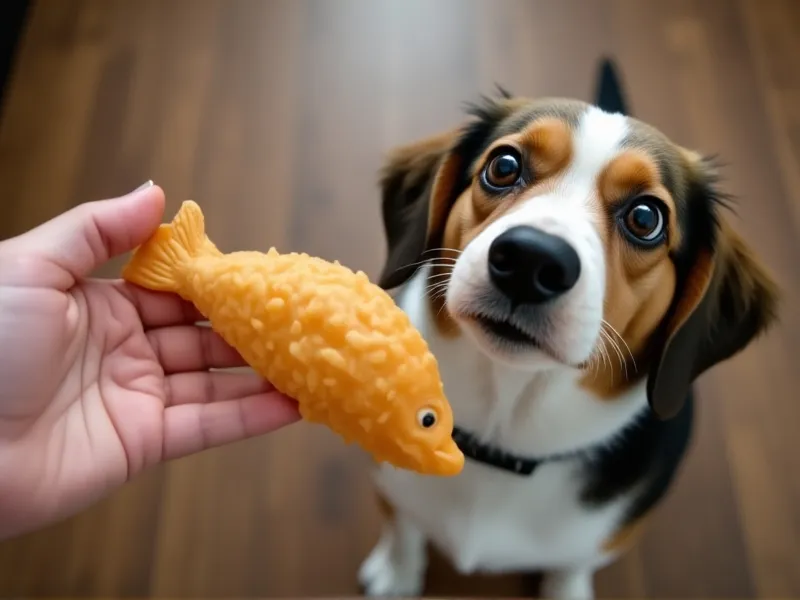
Table of Contents
- Can Dogs Eat Fish Cakes? The Short Answer
- Potential Benefits of Fish Cakes for Dogs
- Risks of Feeding Fish Cakes to Dogs
- How Much Fish Cake Can Dogs Safely Eat?
- Healthier Alternatives to Fish Cakes
- FAQ: Your Fish Cake Questions Answered
- Conclusion: Moderation & Vet Guidance
- References
Can Dogs Eat Fish Cakes? The Short Answer
Yes, dogs can eat fish cakes occasionally and in very small amounts—but only if the fish cake is made with dog-safe ingredients.
The key here is “dog-safe ingredients.” Fish itself is packed with nutrients that benefit dogs, but most store-bought or restaurant fish cakes include added salt, spices, onions, garlic, breadcrumbs, or dairy—all of which can be harmful to your pup.
Think of fish cakes as a “proceed with caution” treat. They’re not toxic, but they’re far from ideal. Let’s break down the pros and cons to help you decide if that tiny bite is worth sharing.
Potential Benefits of Fish Cakes for Dogs
Fish is often called a “superfood” for dogs, and for good reason. If your fish cake is mostly fish (and not loaded with additives), it may offer some benefits:
1. High-Quality Protein
Fish is an excellent source of lean protein, which helps build and repair muscle tissue, supports a healthy immune system, and keeps your dog’s coat shiny. Ingredients like cod, salmon, or haddock (common in fish cakes) are rich in essential amino acids dogs need.
2. Omega-3 Fatty Acids
Fatty fish (like salmon or sardines) in fish cakes provide omega-3s (EPA and DHA), which reduce inflammation, support joint health, and boost brain function—especially in puppies and senior dogs. Omega-3s also promote healthy skin and a lustrous coat, reducing itching and flakiness.
3. Vitamins & Minerals
Fish is packed with vitamins and minerals dogs need, including:
- Vitamin D: Supports bone health and calcium absorption.
- Vitamin B12: Aids in nerve function and red blood cell production.
- Selenium: An antioxidant that protects cells from damage.
- Iodine: Important for thyroid health.
- Selenium and Zinc: Support immune function.
4. Low in Mercury (Usually)
Most fish cakes use white fish (like cod, haddock, or pollock), which are low in mercury compared to larger fish (like tuna or swordfish). This makes them safer for occasional feeding.
Risks of Feeding Fish Cakes to Dogs
While fish is beneficial, the other ingredients in fish cakes are where the trouble starts. Here’s why you should think twice before sharing your fish cake:
1. Excess Salt
Store-bought fish cakes are often loaded with salt to enhance flavor. Dogs need only a tiny amount of sodium (about 100mg per kg of body weight daily), and too much can lead to:
- Dehydration
- Increased thirst/urination
- Sodium ion poisoning (symptoms: vomiting, diarrhea, tremors, seizures, even death in severe cases).
A single fish cake can contain 200–500mg of sodium—way more than a small dog needs in a day!
2. Toxic Additives: Onions & Garlic
Some fish cakes include onions, garlic, or shallots (e.g., in batter or seasoning). These belong to the Allium family, which is toxic to dogs. Even small amounts can damage red blood cells, leading to anemia (symptoms: weakness, lethargy, pale gums, rapid breathing).
3. Breadcrumbs & Empty Calories
Breadcrumbs are a common binder in fish cakes, but they’re high in carbs and low in nutrients. Feeding too many can lead to weight gain, obesity, and even diabetes over time. They also offer no nutritional value for dogs.
4. Dairy Products
Some recipes add milk, cheese, or butter to fish cakes. Many dogs are lactose intolerant, meaning they lack the enzyme (lactase) to digest dairy. This can cause stomach upset, gas, diarrhea, or vomiting.
5. High Fat Content
Crispy, fried fish cakes are high in fat, which can trigger pancreatitis—a painful, life-threatening condition where the pancreas becomes inflamed. Symptoms include vomiting, diarrhea, abdominal pain, and loss of appetite.
6. Choking Hazard
Fish cakes are often dense and chewy, especially if fried. If not cut into small, bite-sized pieces, they can get stuck in your dog’s throat, leading to choking.
7. Hidden Allergens
Some fish cakes contain wheat (in breadcrumbs), soy, or other allergens. If your dog has food sensitivities, these can cause itching, ear infections, or digestive issues.
How Much Fish Cake Can Dogs Safely Eat?
If you must share a bite (we get it—those puppy eyes are persuasive!), follow these rules:
1. Stick to “Tiny Treat” Portions
Fish cakes should never replace a meal. Aim for no more than 1–2 small pieces (about the size of your thumbnail) for toy breeds (e.g., Chihuahuas), 2–3 pieces for medium dogs (e.g., Beagles), and 3–4 pieces for large breeds (e.g., Labradors).
2. Occasional, Not Regular
Treat fish cakes as a once-in-a-blue-moon snack—maybe once a month. Too often, and the salt, fat, and empty calories will add up.
3. Check the Ingredients First!
Read the label carefully. Avoid fish cakes with:
- Onions, garlic, or shallots
- Salt, soy sauce, or seasoning packets
- Breadcrumbs (or opt for whole-grain, low-sodium versions)
- Dairy (milk, cheese, butter)
4. Cook It Thoroughly
If you’re making homemade fish cakes, ensure the fish is fully cooked to kill parasites (like Anisakis) that can infect dogs.
5. Watch for Reactions
After feeding, monitor your dog for 24 hours. Signs of trouble include vomiting, diarrhea, lethargy, or itching. If you see these, contact your vet.
Healthier Alternatives to Fish Cakes
Instead of sharing your fish cake, opt for these dog-safe alternatives that offer all the benefits of fish—without the risks:
1. Plain Cooked Fish
The best option! Serve a small piece of plain, cooked fish (salmon, cod, sardines, or mackerel) with no salt, oil, or seasoning. Bake, boil, or steam it—avoid frying.
2. Homemade Dog-Friendly Fish Cakes
Whip up your own with:
- Cooked, flaked fish (no bones!)
- Mashed sweet potato (instead of breadcrumbs)
- A dash of parsley (safe and adds flavor)
- A beaten egg (as a binder)
Bake until golden, and you’ve got a healthy, low-sodium treat!
3. Canned Fish (No Salt Added)
Canned sardines, mackerel, or salmon (in water, not oil) are affordable and convenient. Just drain the water and serve a small spoonful—great for adding to kibble or as a treat.
4. Fish-Based Dog Treats
Look for commercial treats made with fish as the first ingredient (e.g., “salmon jerky” or “cod training treats”). These are formulated to be low in salt and safe for dogs.
5. Freeze-Dried Fish
Freeze-dried fish treats (like salmon or whitefish) are lightweight, shelf-stable, and packed with nutrients. They’re perfect for training or a quick snack.
FAQ: Your Fish Cake Questions Answered
Q: Can puppies eat fish cakes?
A: Puppies have sensitive tummies and developing immune systems, so it’s best to avoid fish cakes. Stick to plain, cooked fish instead—ask your vet for portion guidance based on their age and breed.
Q: My dog stole a whole fish cake! Should I panic?
A: Probably not, but monitor them closely. A single fish cake is unlikely to cause severe harm, but watch for vomiting, diarrhea, or lethargy. If they ate one with onions/garlic, contact your vet immediately—those can be toxic even in small amounts.
Q: Are frozen fish cakes safer than fresh ones?
A: Not necessarily. Frozen fish cakes often have added preservatives, salt, or sauces. Always check the label!
Q: Can dogs eat fish cake batter?
A: No. Batter is usually made with flour, salt, and oil—empty calories and high in fat. Fried batter can also cause pancreatitis.
Q: What fish should I avoid in fish cakes?
A: Skip fish high in mercury (tuna, swordfish, king mackerel) and raw fish (risk of parasites). Stick to low-mercury options like cod, haddock, or salmon.
Conclusion: Moderation & Vet Guidance
So, can dogs eat fish cakes? Yes, but sparingly, and only if the ingredients are safe. A tiny bite of a plain, low-sodium fish cake is unlikely to harm your dog, but it’s far from the healthiest treat.
For the best results, skip the store-bought fish cakes and opt for plain cooked fish or homemade dog-friendly versions. And when in doubt, always check with your vet—especially if your dog has health issues (like kidney disease, which requires a low-sodium diet).
At the end of the day, your dog will be just as happy with a belly rub and a plain fish treat as they would with that fish cake bite. Prioritize their health, and those soulful eyes will keep shining—promise!
References
- American Society for the Prevention of Cruelty to Animals (ASPCA). “People Foods to Avoid Feeding Your Pets.” aspca.org
- American Kennel Club (AKC). “Can Dogs Eat Fish?” akc.org
- PetMD. “Fish for Dogs: Benefits and Risks.” petmd.com
- Veterinary Centers of America (VCA). “Pancreatitis in Dogs.” vcahospitals.com
- World Small Animal Veterinary Association (WSAVA). “Global Nutrition Guidelines.” wsava.org