· 8 min read
Can Dogs Eat Filet Mignon? A Pet Parent’s Guide to Sharing the Steakhouse Favorite
It’s Friday night, and you’ve decided to treat yourself to something special: a perfectly seared filet mignon, cooked to medium-rare, with a side of roasted veggies. As you take your first bite, you feel a wet nose nudge your hand. Looking down, you meet your dog’s soulful eyes—those eyes that say, “Please, just a tiny taste?”
We’ve all been there. Filet mignon is often called the “king of steaks” for its tenderness and rich flavor, so it’s natural to want to share the love with your furry companion. But before you fork over a piece, you pause: Is filet mignon safe for dogs?
In this guide, we’ll answer that question (and more!), break down the benefits and risks, and give you clear guidelines for sharing this indulgent treat—if you choose to. Let’s dive in.
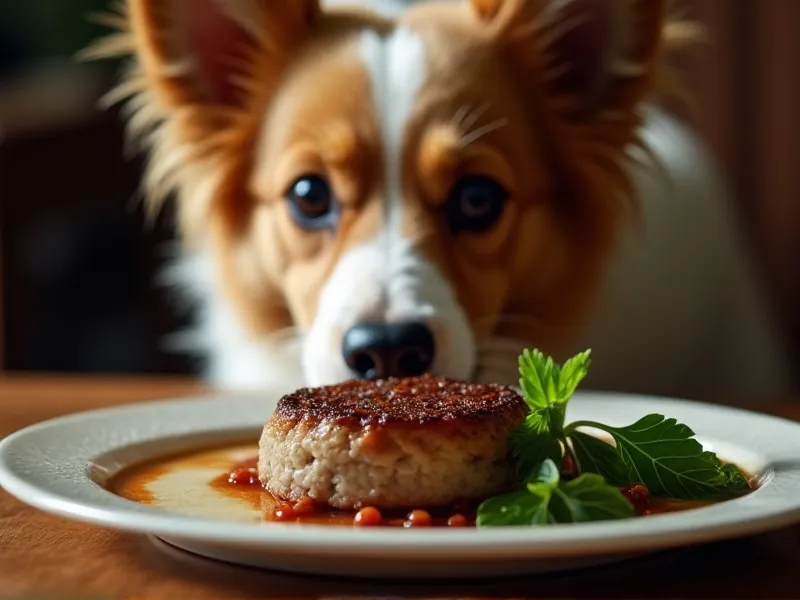
Table of Contents
- Can Dogs Eat Filet Mignon? The Short Answer
- What Is Filet Mignon, Anyway?
- Potential Benefits of Filet Mignon for Dogs
- Risks to Consider Before Sharing
- How Much Filet Mignon Can Dogs Safely Eat?
- Healthier (and More Practical) Alternatives
- FAQ: Your Filet Mignon Questions, Answered
- Final Thoughts: Treat Responsibly
Can Dogs Eat Filet Mignon? The Short Answer
Yes, dogs can eat plain, unseasoned, cooked filet mignon in small amounts as an occasional treat.
Filet mignon is a lean cut of beef, which means it’s low in fat and high in protein—two nutrients that are essential for dogs. However, the key words here are plain, unseasoned, cooked, small amounts, and occasional. The risks (like toxic seasonings or overfeeding) often come from how we prepare or serve the steak, not the meat itself.
Let’s unpack what that means.
What Is Filet Mignon, Anyway?
Before we talk about dogs, let’s get to know the star of the show. Filet mignon is a cut of beef taken from the tenderloin, a muscle that runs along the spine of the cow. Because this muscle isn’t used much, the meat is incredibly tender—hence its reputation as a luxury cut.
Nutritionally, filet mignon is known for being:
- Lean: It’s one of the lowest-fat cuts of beef (about 3-5 grams of fat per 3-ounce serving, cooked).
- High in protein: Around 22 grams of protein per 3-ounce serving.
- Rich in key nutrients: Including iron, zinc, selenium, and B vitamins (like B12 and niacin).
But while these traits sound great, remember: dogs have very different dietary needs than humans. What’s a “healthy” treat for us might not always be ideal for them.
Potential Benefits of Filet Mignon for Dogs
When served correctly (more on that later!), filet mignon can offer some nutritional perks for your pup:
1. High-Quality Protein
Protein is the building block of your dog’s body. It supports muscle growth and repair, keeps their coat shiny, and helps maintain a healthy immune system. Filet mignon is a complete protein, meaning it contains all the essential amino acids dogs need—just like their regular dog food (but in a much more indulgent form!).
2. Essential Minerals
Filet mignon is a good source of:
- Iron: Helps red blood cells carry oxygen throughout the body (important for energy!).
- Zinc: Supports skin health, wound healing, and immune function.
- Selenium: An antioxidant that protects cells from damage.
3. B Vitamins
B vitamins (like B12 and niacin) play a role in energy metabolism, brain function, and maintaining a healthy coat and skin. While dogs get these from their regular diet, a tiny piece of filet can be a tasty way to top them up (in moderation, of course!).
Risks to Consider Before Sharing
While filet mignon isn’t toxic to dogs, there are some risks to be aware of—most of which stem from how we prepare or serve it.
1. Seasonings: The Hidden Danger
Here’s the biggest risk: seasoning. Most people cook filet mignon with garlic, onion, salt, pepper, herbs, or butter. These ingredients can be harmful (or even toxic) to dogs:
- Garlic and onion: Both belong to the allium family, which can damage a dog’s red blood cells, leading to anemia. Even small amounts (like a sprinkle of garlic powder) can cause issues over time.
- Salt: Too much salt can lead to sodium ion poisoning, which causes symptoms like vomiting, diarrhea, seizures, or even death in severe cases.
- Butter or oil: Adding fat increases the risk of pancreatitis, a painful inflammation of the pancreas that can be life-threatening for dogs.
Rule of thumb: If your filet has any seasoning (even “just a little salt”), don’t share it with your dog. Stick to plain, unseasoned meat.
2. Raw Meat Risks
Some pet parents wonder if raw filet mignon is safe (à la a “raw diet”). While raw feeding is a personal choice, the FDA warns that raw meat (including beef) can contain harmful bacteria like Salmonella or E. coli. These bacteria can make your dog sick (symptoms: vomiting, diarrhea, fever) and even spread to humans (zoonotic risk).
Cooking the filet mignon kills these pathogens, making it safer for your pup.
3. Choking Hazard
Filet mignon is tender, but if you give your dog a large chunk, it could get stuck in their throat—especially small breeds or dogs who “wolf” their food. Always cut the meat into bite-sized pieces (about the size of a pea for tiny dogs, or a dime for medium/large breeds) to prevent choking.
4. Overfeeding and Weight Gain
Even though filet mignon is lean, it’s still calorie-dense. A 3-ounce serving has about 150 calories—for a 10-pound dog, that’s nearly 20% of their daily calorie needs! Over time, extra treats can lead to obesity, which increases the risk of diabetes, joint pain, and heart disease.
5. Not a Balanced Diet
Filet mignon is a “single-ingredient” food, meaning it lacks the fiber, vitamins, and minerals dogs need to thrive (like calcium from bones or fiber from veggies). Feeding it regularly could lead to nutrient deficiencies. Think of it as a dessert for your dog—not a main course.
How Much Filet Mignon Can Dogs Safely Eat?
If you want to share a bite, follow these guidelines to keep your pup safe:
1. Keep It Small
A good rule is: treats should make up no more than 10% of your dog’s daily calories. For reference:
- Small dogs (5-15 lbs): 1-2 tiny pieces (about ¼ inch cubed) per week.
- Medium dogs (15-50 lbs): 2-3 small pieces (about ½ inch cubed) per week.
- Large dogs (50+ lbs): 3-4 pieces (about ¾ inch cubed) per week.
2. Serve It Plain and Cooked
- No seasoning: No salt, garlic, onion, butter, or herbs. Just plain, cooked filet mignon.
- Well-cooked: Avoid rare or medium-rare—cook until the meat reaches an internal temperature of 160°F (71°C) to kill bacteria.
- Trim excess fat: Even lean cuts have a little fat; trim it off to reduce pancreatitis risk.
3. Watch for Reactions
After giving your dog a piece, monitor them for 24 hours. Signs of a problem include:
- Vomiting or diarrhea
- Lethargy
- Loss of appetite
- Difficulty breathing (choking)
If you notice any of these, contact your vet right away.
Healthier (and More Practical) Alternatives
Filet mignon is delicious, but it’s also expensive and not the most practical treat for dogs. Here are some healthier, budget-friendly alternatives that offer similar benefits:
1. Plain, Cooked Chicken Breast
Chicken is lean, high in protein, and easy to digest. It’s also cheaper than filet mignon and widely available. Serve it boiled or baked, unseasoned, and cut into small pieces.
2. Lean Ground Beef (Unseasoned)
A 90/10 lean ground beef (90% lean, 10% fat) is a great source of protein and iron. Cook it thoroughly, drain the fat, and mix a spoonful into your dog’s kibble as a treat.
3. Baked Salmon (Skinless)
Salmon is rich in omega-3 fatty acids, which support joint health and a shiny coat. Bake it plain (no salt or butter) and flake it into small pieces.
4. Turkey Breast
Like chicken, turkey is lean and protein-packed. It’s also low in fat, making it a good option for dogs watching their weight.
FAQ: Your Filet Mignon Questions, Answered
Q: Can puppies eat filet mignon?
A: Puppies have sensitive tummies, so it’s best to stick to their puppy food (formulated for growth). If you want to share a tiny piece, make sure it’s plain, cooked, and cut into very small pieces. Ask your vet first, especially if your puppy has digestive issues.
Q: My dog ate seasoned filet mignon—what should I do?
A: If the seasoning included garlic, onion, or a lot of salt, call your vet immediately. Even small amounts of garlic/onion can be toxic. For salt, monitor for symptoms like excessive thirst or vomiting.
Q: Is filet mignon better than other cuts of beef for dogs?
A: Not necessarily. Lean cuts like sirloin or round steak are just as nutritious (and cheaper!). The key is choosing unseasoned, cooked, and lean options—filet mignon is just a fancier version.
Q: Can dogs with kidney disease eat filet mignon?
A: Dogs with kidney issues need a low-protein diet. Since filet mignon is high in protein, it’s best to avoid it. Ask your vet for kidney-friendly treat options.
Final Thoughts: Treat Responsibly
At the end of the day, filet mignon can be a safe, tasty treat for your dog—if you serve it plain, cooked, and in tiny amounts. But remember: no treat is worth risking your pup’s health.
If you’re unsure whether your dog can handle filet mignon (e.g., they have allergies, pancreatitis, or other health issues), always check with your vet first. And when in doubt, opt for simpler treats like plain chicken or veggies—your wallet (and your dog’s belly) will thank you.
So, the next time you’re enjoying that fancy steak dinner, go ahead and share a tiny, unseasoned piece with your pup. Just don’t forget the puppy eyes in return—they’re the best treat of all.
References: