· 9 min read
Can Dogs Eat Fiddleheads? A Pet Parent’s Guide to Safety & Nutrition
Picture this: You’re perusing a local farmers’ market, and your eye catches a bundle of fiddleheads—those charming, spiral-shaped fern shoots that look like nature’s own curly fries. They’re fresh, vibrant, and marketed as a “superfood” for humans, packed with vitamins and fiber. Naturally, your dog’s big, curious eyes lock onto them too. “Could this be a healthy snack for my pup?” you wonder.
As pet parents, we’re always eager to share the best parts of our lives with our furry companions—including healthy foods. But when it comes to fiddleheads, the answer isn’t as straightforward as “yes” or “no.” These unique greens come with both potential benefits and hidden risks, and it’s crucial to separate fact from guesswork before letting your dog take a bite.
In this guide, we’ll break down everything you need to know: Are fiddleheads safe for dogs? What nutrients do they offer? What risks should you watch for? And if they’re not ideal, what healthier alternatives can you offer instead? Let’s dive in.
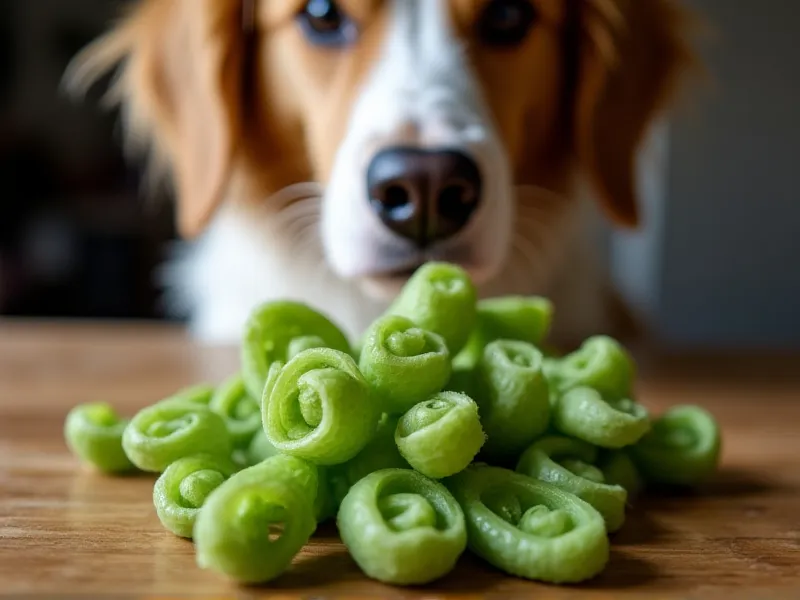
Table of Contents
- Can Dogs Eat Fiddleheads? The Short Answer
- What Are Fiddleheads, Anyway?
- Potential Benefits of Fiddleheads for Dogs (If They’re Safe)
- The Risks: Why Fiddleheads Might Not Be a Good Idea for Dogs
- How Much Fiddlehead Is “Safe” for Dogs? (If Any)
- Healthier Alternatives to Fiddleheads for Dogs
- FAQ: Your Fiddlehead Questions Answered
- Conclusion: Prioritize Safety Over Curiosity
- References
Can Dogs Eat Fiddleheads? The Short Answer
No, fiddleheads are not recommended for dogs. While they’re not classified as highly toxic (like chocolate or grapes), they pose several risks that make them an unsafe choice for your pup. From gastrointestinal upset to choking hazards, the potential downsides far outweigh any minor nutritional benefits. Even cooked fiddleheads can cause stomach issues, and raw ones are even riskier. When in doubt, it’s best to skip sharing fiddleheads with your dog and opt for safer, vet-approved veggies instead.
What Are Fiddleheads, Anyway?
Before we dive into the “why” behind their unsafety, let’s get clear on what fiddleheads are. Fiddleheads are the young, coiled shoots of certain fern species—most commonly the ostrich fern (Matteuccia struthiopteris), which is the only variety considered safe for human consumption. They get their name from their resemblance to the scroll of a violin (or fiddle).
In humans, fiddleheads are prized for their earthy, slightly nutty flavor and are often sautéed, steamed, or boiled. They’re also marketed as a nutrient-dense food, rich in fiber, vitamins, and minerals. But here’s the catch: For humans, fiddleheads must be thoroughly cooked (boiled for at least 10 minutes or steamed for 15–20 minutes) to remove natural compounds that can cause severe stomach cramps, diarrhea, or vomiting if consumed raw or undercooked.
For dogs, who have different digestive systems and nutritional needs, these same compounds (and other factors) make fiddleheads a risky choice.
Potential Benefits of Fiddleheads for Dogs (If They’re Safe)
At first glance, fiddleheads might seem like a healthy addition to your dog’s diet. Let’s break down the nutrients they contain—and why, on paper, they sound appealing:
1. Fiber for Digestive Health
Fiddleheads are a good source of dietary fiber, which helps regulate digestion by promoting regular bowel movements and supporting a healthy gut microbiome. For dogs, fiber is important for preventing constipation and maintaining overall gut health.
2. Potassium for Heart & Muscle Function
Potassium is an essential mineral that supports heart health, muscle contraction, and nerve function. Dogs need potassium to keep their hearts beating steadily and their muscles working properly—especially active pups!
3. Vitamins A & C for Immune Support
Fiddleheads contain vitamin A (important for eye health and immune function) and vitamin C (an antioxidant that helps fight inflammation and boost immunity). These vitamins are key for keeping your dog’s immune system strong and their skin and coat healthy.
4. Antioxidants to Fight Free Radicals
Like many leafy greens, fiddleheads contain antioxidants (such as beta-carotene and lutein) that help neutralize free radicals in the body. Free radicals are unstable molecules that can damage cells over time, contributing to aging and disease.
But here’s the problem: All these nutrients are available in other, safer foods for dogs. There’s no need to risk your pup’s health for nutrients they can get from veggies like green beans, carrots, or spinach—without the side effects.
The Risks: Why Fiddleheads Might Not Be a Good Idea for Dogs
While the nutrient list sounds impressive, the risks of feeding fiddleheads to dogs far outweigh the benefits. Let’s break down the biggest concerns:
1. Gastrointestinal Upset (Even When Cooked)
As mentioned earlier, fiddleheads contain natural compounds (like tannins and thiaminase, in some fern species) that can irritate the digestive tract. For humans, cooking reduces this risk, but dogs have more sensitive stomachs. Even thoroughly cooked fiddleheads can cause:
- Vomiting
- Diarrhea
- Stomach cramps
- Loss of appetite
In severe cases, this could lead to dehydration, especially in small dogs or those with pre-existing digestive issues (like inflammatory bowel disease).
2. Raw Fiddleheads Are Even More Dangerous
Raw fiddleheads are a bigger risk. They may contain harmful bacteria (like E. coli or Salmonella) from soil or water, which can cause food poisoning in dogs. Additionally, raw fiddleheads have higher levels of the irritant compounds that trigger digestive upset.
3. Choking Hazard
Fiddleheads are small, curly, and firm—especially when raw or undercooked. For small dogs or dogs who gulp their food, they pose a choking risk. Even larger dogs might struggle to chew them properly, leading to blockages in the throat or intestines.
4. Risk of Fern Toxicity (If Not Ostrich Ferns)
Not all fiddleheads are created equal. While ostrich fern fiddleheads are the only ones considered safe for humans, other fern species (like bracken ferns) produce fiddleheads that are toxic to both humans and animals. Bracken ferns contain ptaquiloside, a carcinogen that can damage DNA and cause long-term health issues (like bone marrow suppression) in dogs if ingested regularly.
The problem? It’s not always easy to tell fern species apart at the market. If you accidentally feed your dog fiddleheads from a toxic fern, the consequences could be severe.
How Much Fiddlehead Is “Safe” for Dogs? (If Any)
The short answer: None. Even a small amount of fiddlehead can cause digestive upset in some dogs. There’s no established “safe serving size” because the risks (irritation, choking, bacterial contamination) are present regardless of how much you feed.
If your dog accidentally snatches a small piece of cooked fiddlehead off the counter, monitor them closely for 24 hours. Signs of trouble include vomiting, diarrhea, lethargy, or loss of appetite. If any of these symptoms occur, contact your vet right away.
For intentional feeding, though? Save the fiddleheads for your own plate (after cooking, of course!). Your dog will thank you for choosing safer snacks.
Healthier Alternatives to Fiddleheads for Dogs
Just because fiddleheads are off the table doesn’t mean your dog can’t enjoy nutrient-packed veggies. Here are some safer, vet-approved alternatives that offer similar benefits (fiber, vitamins, potassium) without the risks:
1. Green Beans
Green beans are a low-calorie, high-fiber snack that most dogs love. They’re rich in vitamins A, C, and K, plus potassium and iron. Serve them steamed (no salt or butter!) as a crunchy treat or mix them into your dog’s regular food.
2. Steamed Broccoli
Broccoli is packed with fiber, vitamin C, and antioxidants. It’s also a good source of folate and potassium. Serve small florets steamed (raw broccoli can cause gas) in moderation—too much can lead to stomach upset.
3. Carrots
Carrots are a classic dog favorite! They’re high in beta-carotene (which converts to vitamin A), fiber, and potassium. Raw carrots make great chew toys for teething puppies, and steamed carrots are easy to digest for older dogs.
4. Spinach
Spinach is rich in iron, calcium, and antioxidants (like lutein). Serve it steamed or lightly sautéed (no oil!) in small amounts—too much can interfere with calcium absorption in some dogs.
5. Zucchini
Zucchini is low in calories and high in fiber, vitamin C, and potassium. Slice it into rounds and steam it for a soft, easy-to-eat snack, or freeze it for a cool summer treat.
FAQ: Your Fiddlehead Questions Answered
Q: My dog ate a raw fiddlehead—should I panic?
A: Panic isn’t helpful, but do monitor them closely. Raw fiddleheads are more likely to cause digestive upset, so watch for vomiting, diarrhea, or lethargy. If symptoms appear, contact your vet. Most dogs will recover with rest, but it’s better to be safe.
Q: Are cooked fiddleheads safer than raw ones for dogs?
A: Cooked fiddleheads are slightly less risky (since heat reduces irritant compounds), but they’re still not safe. Dogs can still experience stomach upset from cooked fiddleheads, and there’s no guarantee they’re from a non-toxic fern species.
Q: Can fiddleheads cause long-term health problems in dogs?
A: In most cases, accidental ingestion of a small amount will only cause short-term digestive issues. However, regular ingestion of toxic fern fiddleheads (like bracken) can lead to serious long-term problems, such as bone marrow damage or cancer.
Q: What if my dog has a sensitive stomach—are any veggies off-limits?
A: Dogs with sensitive stomachs may need to avoid high-fiber veggies (like broccoli or Brussels sprouts) that can cause gas. Stick to gentle options like steamed carrots, zucchini, or pumpkin (plain, unsweetened) to soothe their tummies.
Conclusion: Prioritize Safety Over Curiosity
Fiddleheads are a unique, nutrient-rich food for humans—but when it comes to our dogs, they’re best left off the menu. From digestive upset to choking hazards and the risk of toxic fern species, the potential dangers far outweigh any minor nutritional benefits.
Instead of sharing fiddleheads, opt for safer alternatives like green beans, carrots, or steamed broccoli. These veggies offer the same fiber, vitamins, and minerals your dog needs, with none of the risks.
As always, when introducing a new food to your dog’s diet, consult your vet first. They can help you choose snacks that align with your dog’s age, breed, and health status.
At the end of the day, the best snack for your dog is one that’s safe, nutritious, and brings them joy. And let’s be honest—they’d probably rather have a carrot stick than a fiddlehead anyway.
References
- American Society for the Prevention of Cruelty to Animals (ASPCA). “Toxic and Non-Toxic Plants.” aspca.org/pet-care/animal-poison-control/toxic-and-non-toxic-plants
- Pet Poison Helpline. “Fern Poisoning in Pets.” petpoisonhelpline.com/poison/fern/
- Cummings School of Veterinary Medicine at Tufts University. “Vegetables for Dogs: Which Are Safe?” tuftscvm.com/for-pet-owners/nutrition/vegetables-for-dogs-which-are-safe
- American Kennel Club (AKC). “Can Dogs Eat Vegetables? A Guide to Safe Snacking.” akc.org/expert-advice/nutrition/can-dogs-eat-vegetables/