· 9 min read
Can Dogs Eat Fettuccine Alfredo? A Pet Parent’s Guide to Safe Indulgences
Picture this: You’re standing over a steaming bowl of fettuccine alfredo, the aroma of buttery sauce and garlic (if you’re feeling fancy) filling the kitchen. After a long day, this creamy, carb-loaded comfort food is exactly what you need. But before you take your first bite, you feel a wet nose nudge your hand. You look down to find your dog, tail thumping, ears perked, and those irresistible puppy eyes that seem to say, “Share? Please?”
It’s a scenario many pet parents face: our dogs are curious about our food, and it’s hard to resist those begging faces. But when it comes to rich, indulgent dishes like fettuccine alfredo, the question isn’t just “can I share?”—it’s “should I?”
In this guide, we’ll break down whether fettuccine alfredo is safe for dogs, the potential risks (spoiler: there are more than you might think), and how to treat your pup to pasta without the guilt. Let’s dive in!
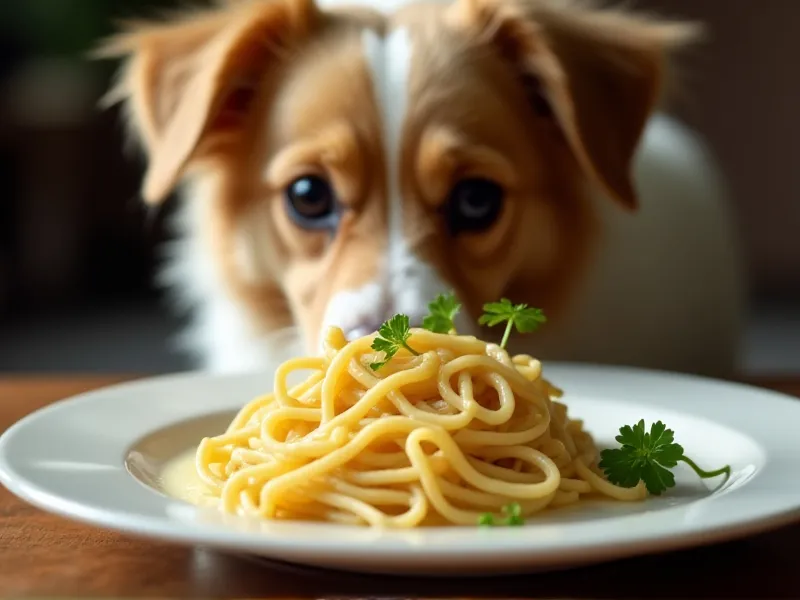
Table of Contents
- Can Dogs Eat Fettuccine Alfredo? The Short Answer
- Potential “Benefits”: Is There Any Upside?
- The Risks: Why Fettuccine Alfredo Is Often a Bad Idea
- Safe Feeding Guidelines: If You Must Share
- Healthier Alternatives: Pasta Treats Your Dog Will Love
- FAQ: Your Most Pressing Questions Answered
- Conclusion: Enjoy Your Pasta—And Spoil Your Pup Safely
- References
Can Dogs Eat Fettuccine Alfredo? The Short Answer
No, fettuccine alfredo is not a safe or recommended food for dogs—even in small amounts.
While plain, cooked pasta (without sauce) is generally safe for dogs as an occasional treat, the creamy, buttery, and often garlicky sauce that defines fettuccine alfredo makes it a high-risk choice. The sauce is loaded with ingredients that can harm your pup, from excessive fat to potential toxins.
Think of it this way: Fettuccine alfredo is like a human “junk food” for dogs. It offers little nutritional value and comes with a host of health risks. So, while your dog might want a bite, it’s better to resist those puppy eyes and opt for a safer snack.
Potential “Benefits”: Is There Any Upside?
Let’s be honest: Fettuccine alfredo isn’t exactly a superfood for humans, and it’s even less so for dogs. That said, some ingredients might offer tiny nutritional perks—but only if the sauce is stripped of all harmful additives (which, let’s face it, isn’t how alfredo is usually made).
The Pasta Itself: A Small Source of Carbs
Plain, cooked fettuccine pasta (without sauce) is made from wheat flour, water, and sometimes eggs. For dogs, this can provide a small boost of energy from carbohydrates. However, most dogs get all the carbs they need from their balanced commercial dog food, so pasta isn’t necessary.
Parmesan Cheese: A Pinch of Protein and Calcium
Parmesan, a key ingredient in alfredo sauce, is high in protein and calcium. In tiny amounts (like a sprinkle), it might offer trace nutrients. But parmesan is also extremely high in sodium (more on that later), so any “benefit” is overshadowed by the risks.
Bottom line: There are no meaningful benefits to feeding your dog fettuccine alfredo. The risks far outweigh any minor nutritional perks.
The Risks: Why Fettuccine Alfredo Is Often a Bad Idea
To understand why alfredo is unsafe, let’s break down its key ingredients and how they affect dogs:
1. Excessive Fat: A Recipe for Pancreatitis
Alfredo sauce is essentially a love letter to fat: butter, heavy cream, and sometimes even extra oil. This high-fat content is dangerous for dogs because it can trigger pancreatitis—a painful, potentially life-threatening inflammation of the pancreas.
The pancreas helps digest food and regulate blood sugar. When a dog eats a fatty meal, the pancreas goes into overdrive, releasing enzymes that can damage its own tissue. Symptoms of pancreatitis include vomiting, diarrhea, lethargy, loss of appetite, and abdominal pain. Severe cases require emergency veterinary care (ASPCA, 2023).
Even a small bowl of alfredo can contain enough fat to put a dog at risk, especially small breeds or those with a history of pancreatitis.
2. Garlic and Onion: Hidden Toxins
Many homemade alfredo recipes include garlic or onion for flavor. These ingredients are toxic to dogs, even in small amounts. Garlic and onion contain thiosulfate, which destroys red blood cells in dogs, leading to anemia (low red blood cell count). Symptoms include weakness, pale gums, vomiting, and increased heart rate (VCA Hospitals, 2023).
If your alfredo has garlic or onion, it’s not just “unsafe”—it’s potentially deadly. Always check the ingredients before sharing human food with your pup!
3. Lactose Intolerance: Stomach Upset Ahead
Heavy cream and butter are dairy products, and most dogs are lactose intolerant. Unlike humans, dogs lose the enzyme lactase (which breaks down lactose) as they age, making it hard for them to digest dairy. This can lead to gas, bloating, diarrhea, or vomiting (PetMD, 2022).
Even “lactose-free” cream isn’t a solution—alfredo sauce is still high in fat, which is problematic on its own.
4. Sodium Overload: Salt Poisoning Risk
Parmesan cheese and salted butter are packed with sodium. A single cup of parmesan contains over 1,900 mg of sodium—more than half the daily recommended sodium intake for a 50-pound dog (which is about 3,000 mg, according to the National Research Council).
Too much sodium can cause salt poisoning in dogs, leading to symptoms like excessive thirst, urination, vomiting, diarrhea, seizures, or even death (ASPCA, 2023).
5. Choking Hazard: Long Noodles and Sticky Sauce
Fettuccine noodles are long and stringy, and the creamy sauce can make them sticky. For dogs, especially small breeds or those who gulp food, this increases the risk of choking or intestinal blockages. Blockages require surgery and can be fatal if not treated promptly.
Safe Feeding Guidelines: If You Must Share
Let’s say you’re at a dinner party, and someone accidentally drops a tiny piece of plain fettuccine (no sauce, no garlic/onion) on the floor. Your dog snatches it up before you can react—now what?
In very rare cases, a tiny bite of plain fettuccine (without sauce) might not harm your dog. But to keep things safe, follow these rules:
Rule 1: Skip the Sauce Entirely
Never feed your dog alfredo sauce. Even a lick can contain too much fat, dairy, or sodium.
Rule 2: Only Plain, Cooked Pasta
If you must share, offer a single, bite-sized piece of plain, cooked fettuccine (no salt, butter, or seasonings). Avoid whole noodles—break them into small pieces to prevent choking.
Rule 3: Portion Control Is Key
- Small dogs (under 20 lbs): 1–2 tiny pieces (about the size of a dime).
- Medium dogs (20–50 lbs): 2–3 small pieces (about the size of a quarter).
- Large dogs (50+ lbs): 3–4 pieces (no longer than an inch).
This should be a once-in-a-blue-moon treat, not a regular snack.
Rule 4: Watch for Allergies or Sensitivities
Some dogs are allergic to wheat (a common ingredient in pasta). If your dog has never had wheat before, monitor for itching, redness, or digestive upset after a tiny bite.
Healthier Alternatives: Pasta Treats Your Dog Will Love
Instead of alfredo, spoil your pup with these dog-friendly pasta-based snacks. They’re tasty, safe, and won’t put your dog’s health at risk!
1. Plain Cooked Pasta (Whole Grain Preferred)
Opt for whole wheat or brown rice pasta instead of white flour. Cook it plain (no salt, butter, or oil) and serve a small portion as an occasional treat. Whole grain pasta has more fiber, which aids digestion.
2. Pasta with Lean Protein
Mix plain pasta with a spoonful of cooked, unseasoned chicken, turkey, or lean beef. The protein makes it more satisfying, and dogs go crazy for the meaty flavor!
3. Veggie-Packed Pasta
Add cooked, chopped veggies like carrots, green beans, or peas to plain pasta. Veggies add vitamins and fiber without extra calories. Just avoid toxic veggies like onions, garlic, or mushrooms.
4. “Doggy Alfredo” (Dairy-Free Version)
Make a safe “sauce” by mixing a teaspoon of unsweetened, plain applesauce with a dash of cinnamon. Toss it with plain pasta for a sweet, creamy treat (in moderation—applesauce has sugar!).
FAQ: Your Most Pressing Questions Answered
Q: Can my dog eat Alfredo sauce alone (without pasta)?
A: No! Alfredo sauce is the most dangerous part. It’s high in fat, dairy, sodium, and possibly garlic/onion. Even a spoonful can cause pancreatitis or stomach upset.
Q: My dog ate a whole plate of fettuccine alfredo! What should I do?
A: Contact your vet immediately. Symptoms of pancreatitis (vomiting, lethargy, abdominal pain) can take 12–24 hours to appear, so don’t wait for signs. Your vet may induce vomiting or monitor your dog for complications.
Q: Is whole wheat fettuccine better for dogs than white fettuccine?
A: Whole wheat pasta has more fiber, which is better for digestion, but it’s still not a necessary part of your dog’s diet. Stick to tiny portions, and only as an occasional treat.
Q: Can dogs have other types of pasta sauce, like marinara?
A: Marinara often contains garlic, onion, or extra sugar, which are unsafe. Stick to plain pasta with no sauce, or make a dog-friendly version with unsweetened applesauce.
Q: Are there any dog breeds that can safely eat alfredo?
A: No breed is “immune” to the risks of alfredo. Small breeds are more prone to pancreatitis and choking, while large breeds may eat more, increasing sodium/fat intake. All dogs should avoid it.
Conclusion: Enjoy Your Pasta—And Spoil Your Pup Safely
At the end of the day, fettuccine alfredo is a human indulgence best kept off your dog’s plate. While a tiny bite of plain pasta won’t hurt, the creamy, fatty sauce is loaded with risks, from pancreatitis to salt poisoning.
Instead of sharing your alfredo, bond with your pup over a safe treat—like a walk, a game of fetch, or a dog-friendly snack. And if you ever have questions about what’s safe for your dog, don’t hesitate to call your vet. They know your pup’s health history and can give personalized advice.
Now, go enjoy your fettuccine alfredo (sans puppy begging)—you’ve earned it!
References
- American Society for the Prevention of Cruelty to Animals (ASPCA). (2023). Toxic and Non-Toxic Plants and People Foods to Avoid Feeding Your Pets. aspca.org
- PetMD. (2022). Lactose Intolerance in Dogs. petmd.com
- VCA Hospitals. (2023). Onion and Garlic Toxicity in Dogs. vcahospitals.com
- National Research Council. (2006). Nutrient Requirements of Dogs and Cats. National Academies Press.