· 9 min read
Can Dogs Eat Extra Virgin Olive Oil? Benefits, Risks & Safe Guidelines for Pet Parents
Picture this: You’re standing at the kitchen counter, drizzling a glug of golden extra virgin olive oil (EVOO) over a bed of fresh greens. Beside you, your dog sits, tail thumping, eyes locked on your hands. “Just a little taste?” they seem to beg. It’s a moment every pet parent knows—we want to share life’s simple joys with our furry friends, but we also pause, wondering: Is this safe?
Extra virgin olive oil is a staple in many human diets, praised for its heart-healthy fats and antioxidants. But when it comes to our dogs, the rules aren’t always the same. Can dogs eat extra virgin olive oil? And if so, is it actually good for them?
In this guide, we’ll break down the science, separate fact from fiction, and give you clear, vet-backed advice to keep your pup happy and healthy. Spoiler: The answer isn’t a hard “no”—but like all good things, moderation is key.
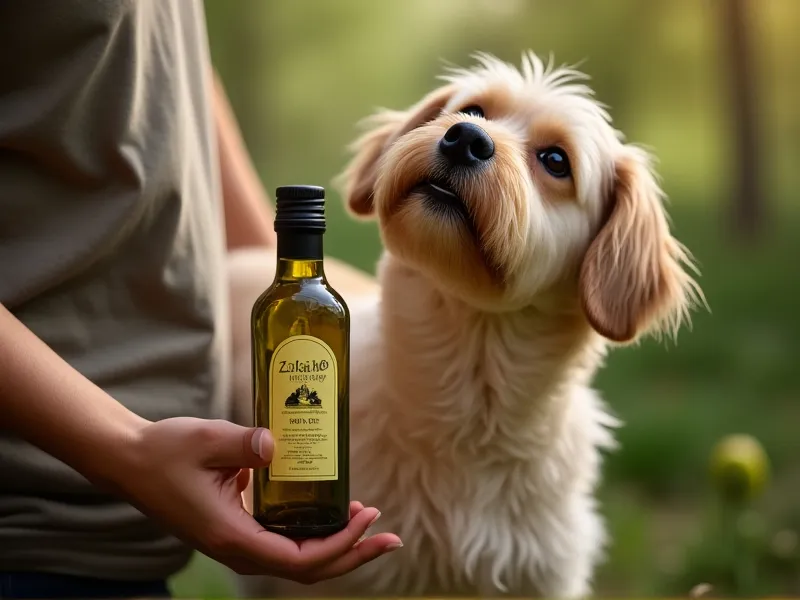
Table of Contents
- What Is Extra Virgin Olive Oil?
- Can Dogs Eat Extra Virgin Olive Oil? The Short Answer
- Potential Benefits of EVOO for Dogs
- Healthy Fats for Skin & Coat
- Anti-Inflammatory Antioxidants
- Digestive Support (Yes, That Kind)
- Heart Health Helper
- Cognitive Boost for Senior Dogs
- Risks of Feeding EVOO to Dogs (What to Watch For)
- Calorie Overload & Obesity
- Pancreatitis: A Serious Concern
- Stomach Upset (Diarrhea, Vomiting)
- Low-Quality Oils: Hidden Dangers
- How Much EVOO Can Dogs Safely Eat?
- Healthier Alternatives to EVOO for Dogs
- FAQ: Your EVOO & Dog Questions Answered
- Conclusion: EVOO as a Treat, Not a Staple
What Is Extra Virgin Olive Oil?
Before we dive into whether dogs can eat EVOO, let’s clarify what it is. Extra virgin olive oil is the highest-quality olive oil, made by cold-pressing fresh olives without heat or chemicals. This gentle process preserves its natural nutrients, antioxidants, and that signature rich, fruity flavor.
Unlike refined olive oils (which are processed with heat and solvents, stripping away nutrients), EVOO is packed with:
- Monounsaturated fats: Primarily oleic acid, a “healthy fat” linked to reduced inflammation and heart health.
- Antioxidants: Polyphenols, vitamin E, and vitamin K, which fight free radicals and support overall wellness.
- Minor nutrients: Small amounts of minerals like calcium and potassium (though not enough to be a significant source for dogs).
Can Dogs Eat Extra Virgin Olive Oil? The Short Answer
Yes, dogs can eat extra virgin olive oil—but only in small, controlled amounts.
EVOO isn’t toxic to dogs, and in moderation, it may even offer some health benefits. However, it’s high in calories and fat, so overdoing it can lead to serious issues like obesity or pancreatitis. Think of it as a “supplement” to their regular diet, not a daily must-have.
Potential Benefits of EVOO for Dogs
While EVOO shouldn’t replace your dog’s balanced kibble or wet food, small doses may boost their health in a few key ways:
1. Healthy Fats for a Glossy Coat & Softer Skin
Dogs need fat in their diet to maintain healthy skin and a shiny coat—and the monounsaturated fats in EVOO are top-tier. Oleic acid, the main fat in EVOO, helps lock in moisture, reduce dryness, and soothe irritated skin (think: flakiness or itchiness).
Fun fact: Vitamin E in EVOO acts as a natural moisturizer, too! It protects skin cells from damage and supports the production of healthy oils. Many pet parents report their dogs’ coats looking silkier after adding a tiny bit of EVOO to their meals.
2. Anti-Inflammatory Antioxidants
EVOO is rich in polyphenols—powerful antioxidants that fight inflammation. Chronic inflammation in dogs is linked to conditions like arthritis, allergies, and even some cancers. By reducing inflammation, EVOO may help ease joint pain in senior dogs or calm itchy skin from allergies.
A 2018 study in The Journal of Nutrition found that oleic acid and polyphenols in olive oil can lower markers of inflammation in mammals, including dogs. While more research is needed, it’s a promising sign!
3. Gentle Digestive Support (For Occasional Constipation)
If your dog is struggling with mild constipation, a tiny drizzle of EVOO may help. The oil acts as a natural lubricant, softening stool and making it easier to pass. Note: This is only for occasional use—never use EVOO to treat chronic constipation without consulting your vet first.
4. Cardiovascular Support (In Theory)
In humans, monounsaturated fats are linked to lower cholesterol and reduced heart disease risk. While research on dogs is limited, some vets hypothesize that small amounts of EVOO may support heart health by keeping arteries flexible and reducing oxidative stress.
5. Cognitive Support for Senior Dogs
Oxidative stress is a major contributor to cognitive decline in aging dogs (think: “doggy dementia”). The antioxidants in EVOO, like vitamin E and polyphenols, may help protect brain cells from damage, keeping your senior pup sharper for longer.
Risks of Feeding EVOO to Dogs (What to Watch For)
While EVOO has perks, it’s not without risks—especially if you overdo it. Here’s what to keep in mind:
1. Calorie Overload & Obesity
EVOO is dense in calories: 1 tablespoon packs about 120 calories, almost all from fat. Most dogs only need 300–600 calories per day (depending on size), so even a small extra dose can tip the scales. Over time, excess calories lead to obesity, which raises the risk of diabetes, joint pain, and heart disease.
2. Pancreatitis: A Serious Concern
Dogs’ pancreases are sensitive to high-fat diets. Pancreatitis (inflammation of the pancreas) is a painful, potentially life-threatening condition caused by sudden spikes in fat intake. Symptoms include vomiting, diarrhea, lethargy, and loss of appetite.
While EVOO is a “healthy fat,” it’s still fat—and too much (even in one sitting) can trigger pancreatitis, especially in dogs with a history of the condition or breeds prone to it (e.g., Miniature Schnauzers, Cocker Spaniels).
3. Stomach Upset (Diarrhea, Vomiting)
Even if your dog isn’t at risk for pancreatitis, too much EVOO can upset their stomach. The oil can loosen stools, leading to diarrhea, or cause nausea and vomiting. Start with the tiniest dose (like ¼ teaspoon for small dogs) to see how they tolerate it.
4. Low-Quality Oils: Hidden Dangers
Not all olive oils are created equal! Avoid “fake” EVOO (yes, it’s a thing). Some brands cut EVOO with cheaper, unhealthy oils (like soybean or canola oil) or use rancid olives, which can contain harmful free radicals. Always choose certified EVOO from reputable brands (look for labels like “USDA Organic” or “California Olive Oil Council Certified”).
How Much EVOO Can Dogs Safely Eat?
The golden rule: Less is more.
EVOO should make up no more than 1–2% of your dog’s daily calorie intake. Here’s a rough guide based on size:
| Dog Size | Daily EVOO Limit |
|---|---|
| Small (5–20 lbs) | ¼ teaspoon |
| Medium (20–50 lbs) | ½ teaspoon |
| Large (50–100 lbs) | 1 teaspoon |
| Giant (100+ lbs) | 1–2 teaspoons |
Pro tips:
- Introduce EVOO slowly. Start with half the recommended amount to avoid stomach upset.
- Mix it into their regular food, not as a standalone treat. This prevents them from begging for more!
- Skip flavored EVOO (e.g., garlic, chili, or herb-infused). Garlic and onions are toxic to dogs, and added flavors may irritate their stomachs.
Healthier Alternatives to EVOO for Dogs
If you’re hesitant to add EVOO to your dog’s diet, or if they don’t tolerate it well, these alternatives offer similar benefits with fewer risks:
1. Fish Oil (Best for Coat & Joints)
Fish oil is a superstar for dogs! It’s rich in omega-3 fatty acids (EPA and DHA), which reduce inflammation, support joint health, and make coats glow. Unlike EVOO, it’s lower in calories per serving and specifically formulated for pets (look for brands with added vitamin E to prevent oxidation).
2. Pumpkin (Best for Digestion)
Canned pumpkin (unsweetened, no added spices!) is high in fiber and low in calories, making it perfect for dogs with constipation or diarrhea. It’s gentler on the stomach than oil and adds bulk to their diet without extra fat.
3. Coconut Oil (Use Sparingly)
Coconut oil has medium-chain triglycerides (MCTs), which may boost energy and support brain health. However, it’s high in saturated fat, so stick to ¼–1 teaspoon daily (depending on size) to avoid weight gain.
4. Butternut Squash (Vitamin Powerhouse)
Cooked butternut squash is packed with vitamins A, C, and fiber. It’s a low-calorie way to support eye health, digestion, and immune function—no fat needed!
FAQ: Your EVOO & Dog Questions Answered
Q: Can puppies eat extra virgin olive oil?
A: Puppies have sensitive digestive systems, so it’s best to wait until they’re at least 6 months old (and fully weaned) before trying EVOO. Even then, start with ⅛ teaspoon or less and watch for diarrhea. Always ask your vet first!
Q: Is extra virgin olive oil better than regular olive oil for dogs?
A: Yes! Extra virgin olive oil is less processed and higher in antioxidants than refined olive oil, so it offers more potential benefits. Refined oils may also contain additives that irritate dogs’ stomachs.
Q: My dog ate a whole bottle of EVOO! What should I do?
A: Stay calm, but act fast. A large amount of EVOO can cause diarrhea, vomiting, or even pancreatitis. Call your vet immediately—they may recommend inducing vomiting or monitoring for symptoms like lethargy or loss of appetite.
Q: Can EVOO help with my dog’s dry, itchy skin?
A: It might! The vitamin E and oleic acid in EVOO can soothe dry skin when added to their diet (in small amounts). For topical relief, try a pet-safe oatmeal shampoo instead—applying EVOO directly to skin can make them greasy and attract dirt.
Q: Is organic EVOO better for dogs?
A: Organic EVOO is free from pesticides and chemicals, which is safer for both you and your dog. It’s not strictly necessary, but if you can afford it, it’s a good choice!
Conclusion: EVOO as a Treat, Not a Staple
Extra virgin olive oil isn’t a magic bullet for your dog’s health, but in tiny, controlled doses, it can be a safe, tasty addition to their diet. From a shinier coat to gentle digestive support, its benefits are real—but so are the risks of overdoing it.
As always, consult your vet before adding any new food to your dog’s diet, especially if they have health conditions like pancreatitis, obesity, or allergies. Your vet can help you tailor the amount to their size, age, and unique needs.
At the end of the day, the best thing you can do for your pup is feed them a balanced, high-quality diet and shower them with love (and maybe a tiny drizzle of EVOO now and then).
Here’s to happy, healthy tails!
References
- American Kennel Club (AKC). “Can Dogs Eat Olive Oil?” AKC.org.
- PetMD. “Olive Oil for Dogs: Benefits and Risks.” PetMD.com.
- Journal of Nutrition. “Oleic Acid and Polyphenols in Olive Oil: Effects on Inflammation in Mammals.” 2018.
- American College of Veterinary Nutrition (ACVN). “Fat in Canine Diets: Balancing Benefits and Risks.” ACVN.org.