· 9 min read
Can Dogs Eat Enoki Mushrooms? What Pet Parents Need to Know
You’re stirring a pot of miso soup, enoki mushrooms cascading into the broth, when suddenly you feel a wet nose nudge your hand. Your pup, ever the opportunist, is eyeing those delicate, white mushrooms like they’re the best treat since peanut butter. But wait—can dogs eat enoki mushrooms? Before you toss them a bite, let’s dig into what you need to know to keep your furry friend safe and happy.
Mushrooms can be tricky territory for pet parents. While some are toxic (we’re looking at you, wild Amanita mushrooms), others are harmless. Enoki mushrooms, with their long, slender stems and tiny caps, are a popular ingredient in Asian cuisine—but are they safe for dogs? Let’s break down the facts, from nutrition to risks, so you can make the best choice for your four-legged family member.
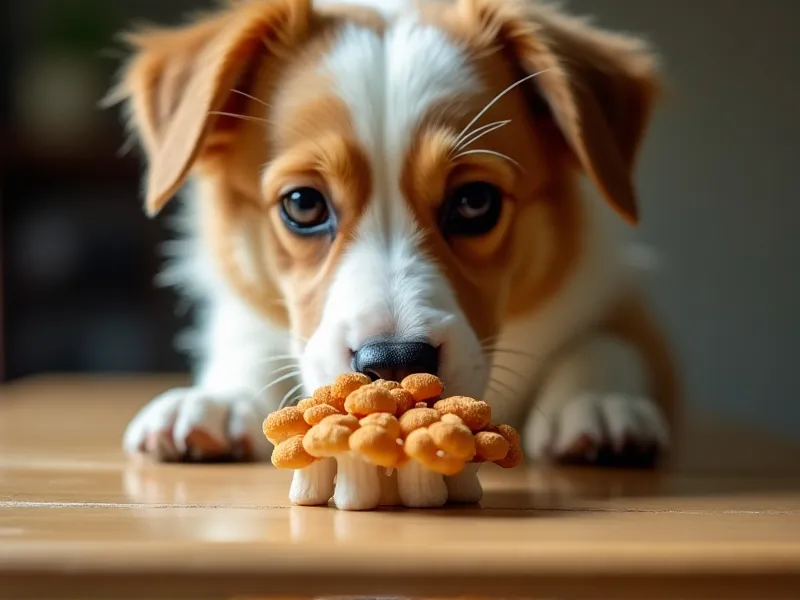
Table of Contents
- Can Dogs Eat Enoki Mushrooms? The Short Answer
- Nutritional Benefits of Enoki Mushrooms for Dogs
- Potential Risks to Watch For
- Safe Serving Guidelines: How Much Enoki is Too Much?
- Healthier Alternatives to Enoki Mushrooms
- Frequently Asked Questions (FAQ)
- Conclusion: Prioritizing Your Dog’s Health
Can Dogs Eat Enoki Mushrooms? The Short Answer
Yes, enoki mushrooms are non-toxic to dogs—but they’re not a “superfood” either. Unlike some wild mushrooms (which can be deadly), enokis are considered safe for canine consumption in small, controlled amounts. However, “safe” doesn’t mean “unlimited.” These mushrooms should never replace your dog’s balanced, species-appropriate diet, and there are important caveats (like cooking and portion size) to keep in mind.
The key takeaway: Enoki mushrooms won’t poison your dog, but they do come with potential risks if fed incorrectly. Let’s unpack the details.
Nutritional Benefits of Enoki Mushrooms for Dogs
Enoki mushrooms are low in calories and packed with some nutrients that could offer minor benefits to dogs—though it’s important to note that these are extras, not essentials. Here’s what makes them noteworthy:
1. Fiber: Supporting Digestion
Enoki mushrooms are a good source of dietary fiber, which helps keep your dog’s digestive system running smoothly. Fiber adds bulk to stool, aiding in regular bowel movements, and can even help dogs feel full (a plus for pups prone to begging!). For dogs with mild constipation, a tiny amount of cooked enoki might offer gentle support—though always check with your vet first.
2. Potassium: Heart and Muscle Health
Potassium is an electrolyte that plays a vital role in maintaining healthy heart function, muscle contraction, and nerve signaling. Enoki mushrooms contain small amounts of this mineral, which works alongside sodium to regulate fluid balance in your dog’s body. While your dog’s regular food should already provide enough potassium, a bite of enoki won’t hurt (and might add a tiny boost).
3. B Vitamins: Energy and Coat Health
Enokis are rich in B vitamins, including niacin (B3) and pantothenic acid (B5). Niacin supports energy metabolism (helping convert food into fuel) and can contribute to healthy skin and a shiny coat. Pantothenic acid is involved in hormone production and red blood cell formation. Again, these are trace amounts—your dog’s kibble or wet food should be their primary source of B vitamins—but every little bit counts!
4. Low Calorie: A Light Treat Option
At just 37 calories per cup (raw), enoki mushrooms are a low-calorie treat choice. If your dog is watching their weight, swapping high-calorie snacks (like cheese or commercial treats) for a tiny portion of cooked enoki could help keep their waistline in check.
Potential Risks to Watch For
While enoki mushrooms aren’t toxic, they’re not without risks. Here’s what to be cautious about:
1. Choking Hazard: The Stringy Texture
Enoki mushrooms have long, thin stems that can be slippery and stringy—especially when raw. For small dogs or those who gulp their food, these strands could pose a choking risk or get stuck in the throat. Even larger dogs might struggle to chew them properly, leading to gagging or discomfort.
2. Raw vs. Cooked: Bacteria and Digestive Upset
Raw enoki mushrooms (like many raw vegetables) can harbor harmful bacteria, such as Salmonella or E. coli. These pathogens can cause vomiting, diarrhea, or stomach cramps in dogs (and humans!). Cooking enoki mushrooms thoroughly kills bacteria, making them safer for your pup.
Additionally, raw mushrooms (including enokis) contain chitin, a tough carbohydrate that dogs have a hard time digesting. Cooking breaks down chitin, making the mushrooms easier on your dog’s stomach. Feeding raw enoki could lead to gas, bloating, or loose stools—even in healthy dogs.
3. Natural Sugars: Overindulgence Risks
While enoki mushrooms are low in sugar compared to fruits like apples or bananas, they do contain small amounts of natural sugars. Feeding too many enokis (or any treat) can lead to weight gain over time, especially in inactive dogs. Obesity in dogs increases the risk of diabetes, joint pain, and heart disease—so moderation is key.
4. Seasonings: The Hidden Danger
Enoki mushrooms are often cooked with garlic, onion, soy sauce, or salt—all of which are toxic or harmful to dogs. Garlic and onion contain compounds that damage red blood cells, leading to anemia, while excessive salt can cause sodium ion poisoning (symptoms include vomiting, diarrhea, seizures, and even death). Even a “little” seasoning can be dangerous, so never share enoki mushrooms cooked with these ingredients.
Safe Serving Guidelines: How Much Enoki is Too Much?
If you want to share enoki mushrooms with your dog, follow these rules to keep them safe:
1. Cook Them Thoroughly
Always cook enoki mushrooms before feeding them to your dog. Sauté, boil, or steam them without any added oil, salt, garlic, onion, or seasonings. Cooking kills bacteria, breaks down hard-to-digest chitin, and softens the texture to reduce choking risks.
2. Keep Portions Tiny
Enoki mushrooms should be an occasional treat, not a regular part of your dog’s diet. A general rule of thumb:
- Small dogs (under 20 lbs): 1–2 teaspoons of cooked, plain enoki per serving.
- Medium dogs (20–50 lbs): 1–2 tablespoons per serving.
- Large dogs (50+ lbs): 2–3 tablespoons per serving.
Stick to this once or twice a week at most. Overfeeding can lead to digestive upset or weight gain.
3. Introduce Slowly
If your dog has never had enoki mushrooms before, start with a tiny piece (like 1 teaspoon for a medium dog) and monitor them for 24 hours. Watch for signs of allergies (itching, swelling, hives) or digestive issues (vomiting, diarrhea, gas). If they react poorly, skip enoki altogether.
4. Never Replace Regular Food
Enoki mushrooms lack the protein, fat, vitamins, and minerals dogs need to thrive. Your dog’s diet should consist primarily of high-quality dog food formulated for their age, size, and activity level. Treats (including enokis) should make up no more than 10% of their daily calories.
Healthier Alternatives to Enoki Mushrooms
If you’re looking for safe, nutrient-dense treats to share with your dog, consider these alternatives to enoki mushrooms. They’re easier to digest, lower-risk, and often more beneficial:
1. Carrots
Crunchy, low-calorie, and packed with vitamin A (great for eye health), carrots are a favorite among dogs. They’re also great for dental health—chewing raw carrots helps scrape plaque off teeth!
2. Green Beans
Fresh or steamed green beans are high in fiber and vitamins (like C and K) and low in calories. They’re a fantastic “filler” for dogs on a diet, helping them feel full without extra calories.
3. Pumpkin (Plain, Canned)
Plain, unsweetened pumpkin is a digestive superfood for dogs. It’s rich in fiber (great for constipation or diarrhea) and beta-carotene (which converts to vitamin A). Just 1–2 tablespoons (depending on size) can soothe an upset stomach.
4. Blueberries
These tiny fruits are loaded with antioxidants, which support immune health, and fiber. They’re low in sugar and calories, making them a perfect training treat for dogs of all sizes.
Frequently Asked Questions (FAQ)
Q: Can puppies eat enoki mushrooms?
A: Puppies have sensitive digestive systems, so it’s best to avoid enoki mushrooms (or any new treats) until they’re at least 6 months old. If you do share a tiny bite, cook it thoroughly and watch for stomach upset. Always consult your vet first.
Q: My dog ate raw enoki mushrooms—should I panic?
A: Not necessarily, but monitor them closely. Raw enoki may cause gas, diarrhea, or vomiting, but it’s unlikely to be life-threatening. If your dog ate a large amount (more than their recommended serving) or shows severe symptoms (bloody stool, lethargy), contact your vet immediately.
Q: Are all mushrooms safe for dogs?
A: No! Many wild mushrooms (like Amanita, “death cap,” or “destroying angel”) are highly toxic and can kill dogs within hours. Never feed your dog mushrooms from the wild, and stick to store-bought varieties like enoki, button, or shiitake (which are also non-toxic, but still best fed cooked and in small amounts).
Q: Can enoki mushrooms help my dog lose weight?
A: They’re low in calories, but they’re not a weight-loss solution. For dogs needing to shed pounds, focus on portion control with their regular food and swap high-calorie treats for veggies like green beans or carrots. Always work with your vet to create a safe weight-loss plan.
Q: My dog loves enoki—can I make it a regular treat?
A: It’s better to limit enoki to occasional snacks. Dogs thrive on routine and balanced nutrition, so stick to treats that are proven safe and nutrient-dense (like the alternatives listed above).
Conclusion: Prioritizing Your Dog’s Health
Enoki mushrooms are a safe, occasional treat for dogs when cooked, plain, and served in tiny portions. They offer minor benefits like fiber and potassium, but they’re no substitute for a balanced dog food diet. The biggest risks—choking, bacteria from raw mushrooms, and added seasonings—are easy to avoid with proper preparation.
When in doubt, always err on the side of caution. If your dog has a history of digestive issues, allergies, or chronic health conditions, check with your vet before introducing enoki mushrooms (or any new food). And remember: the best treats are those that keep your dog healthy, happy, and coming back for more (in moderation, of course!).
Your pup’s nose might be begging for those enoki mushrooms, but with a little knowledge, you can keep their tail wagging and their belly safe.
References
- American Society for the Prevention of Cruelty to Animals (ASPCA). (n.d.). Toxic and Non-Toxic Plants. https://www.aspca.org/pet-care/animal-poison-control/toxic-and-non-toxic-plants
- PetMD. (2023). Can Dogs Eat Mushrooms? https://www.petmd.com/dog/nutrition/can-dogs-eat-mushrooms
- American Kennel Club (AKC). (2023). Human Foods Dogs Can and Can’t Eat. https://www.akc.org/expert-advice/nutrition/human-foods-dogs-can-and-cant-eat/