· 8 min read
Can Dogs Eat English Peas? A Pet Parent’s Guide to Safe Snacking
Picture this: You’re prepping a fresh salad, and as you pop a handful of crisp, sweet English peas into your mouth, your dog stares up at you with those irresistible puppy eyes. “Can I share?” they seem to ask. It’s a common scenario for pet parents—we want to treat our furry friends, but we also worry: Is this human food safe for them?
English peas, with their vibrant green color and mild flavor, are a staple in many kitchens. But when it comes to our dogs, the answer isn’t always a simple “yes” or “no.” Let’s dive into the details to help you decide if peas deserve a spot in your pup’s treat rotation.
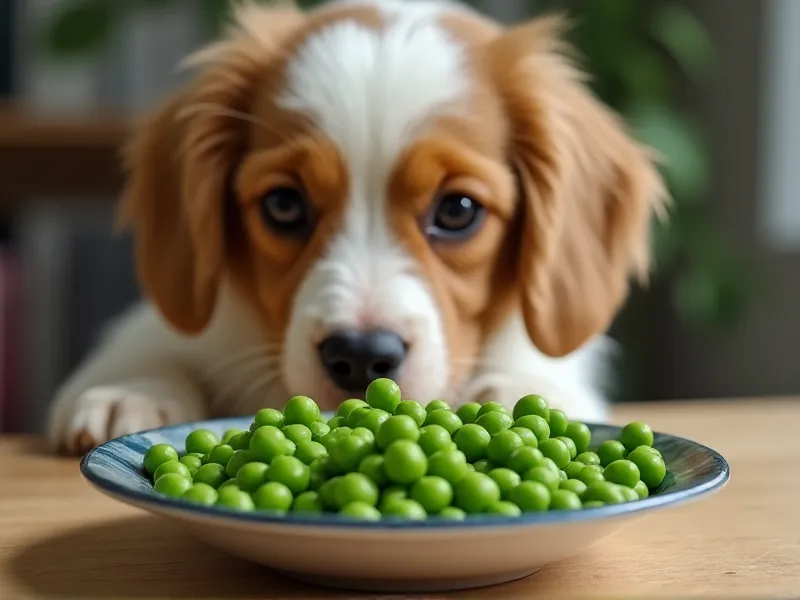
Table of Contents
- Can Dogs Eat English Peas? The Short Answer
- Nutritional Breakdown: What’s in English Peas?
- The Benefits of English Peas for Dogs
- Potential Risks to Watch For
- How Much (and How) to Feed English Peas to Your Dog
- Healthier Alternatives to English Peas
- FAQ: Your Pea-Related Questions Answered
- Conclusion: Peas as a Treat, Not a Staple
- References
Can Dogs Eat English Peas? The Short Answer
Yes, dogs can eat English peas—in moderation. These green legumes are non-toxic to dogs and can even offer some nutritional benefits when served plain, fresh, or frozen (and properly prepared). However, they’re not a substitute for a balanced dog food diet, and there are risks to consider, like choking hazards or stomach upset if overfed. Think of peas as an occasional “green treat,” not a daily meal addition.
Nutritional Breakdown: What’s in English Peas?
To understand why peas can be a healthy snack, let’s look at their nutrient profile. A 100-gram serving of raw English peas (about ½ cup) contains:
- Calories: ~81 (low-calorie, making them great for weight management)
- Protein: ~5 grams (plant-based protein to support muscle health)
- Fiber: ~5 grams (supports digestion)
- Vitamins: A (supports vision and skin), K (aids blood clotting), C (boosts immunity), and B vitamins (energy metabolism)
- Minerals: Potassium (regulates heart and muscle function), iron (red blood cell health), and manganese (bone health)
- Antioxidants: Flavonoids and carotenoids (fight inflammation and oxidative stress)
Compared to other human snacks, peas are nutrient-dense and low in fat, which is why they’re even included in some high-quality commercial dog foods as a source of fiber and protein.
The Benefits of English Peas for Dogs
When fed in moderation, English peas can offer several perks for your pup:
1. Supports Digestive Health
The fiber in peas acts as a prebiotic, feeding the “good” bacteria in your dog’s gut and promoting regular bowel movements. This is especially helpful for dogs with occasional constipation (though always check with your vet if digestive issues persist).
2. Boosts Immunity and Overall Wellness
Vitamins A, C, and K in peas play key roles in your dog’s health:
- Vitamin A: Keeps eyes sharp and skin healthy (important for breeds prone to dry skin).
- Vitamin C: An antioxidant that fights free radicals and supports a strong immune system (dogs produce some vitamin C naturally, but extra can help during stress or illness).
- Vitamin K: Critical for blood clotting and bone strength, especially in senior dogs.
3. Aids Heart and Muscle Function
Potassium is a mineral that helps regulate your dog’s heart rate and muscle contractions. A potassium deficiency can lead to weakness or irregular heartbeats, so peas (which are rich in this mineral) can be a small but helpful addition to their diet.
4. Weight Management-Friendly
Since peas are low in calories and high in fiber, they can help your dog feel full without adding excess fat. If your pup is overweight, swapping high-calorie treats (like cookies or cheese) for peas can support weight loss goals.
Potential Risks to Watch For
While peas have benefits, they’re not risk-free. Here’s what to keep in mind:
1. Choking Hazard
Whole peas are small and round, which makes them a choking risk—especially for small dogs, puppies, or dogs who gulp their food. If your dog is a fast eater, mash or cook peas until soft to reduce this risk, or avoid them altogether if choking is a concern.
2. Stomach Upset (Gas, Diarrhea, or Bloating)
Peas are high in fiber, which is great in moderation but problematic in excess. Overfeeding peas can lead to gas, bloating, or loose stools, especially in dogs with sensitive stomachs. Introduce peas slowly and watch for signs of digestive discomfort.
3. Natural Sugar Content
While peas aren’t “sweet,” they do contain natural sugars (~6 grams per 100g serving). For dogs with diabetes or obesity, even small amounts of extra sugar can spike blood glucose levels. Always consult your vet before feeding peas to a dog with metabolic issues.
4. Not a “Complete” Food
Peas lack essential nutrients dogs need, like taurine (critical for heart health in some breeds) and certain amino acids. Relying on peas as a main food source can lead to nutrient deficiencies over time. Stick to treats only!
How Much (and How) to Feed English Peas to Your Dog
The golden rule: Moderation is key. Peas should make up no more than 10% of your dog’s daily calorie intake. Here’s a general guideline based on your dog’s size:
| Dog Size | Recommended Serving (Occasional Treat) |
|---|---|
| Small (5–20 lbs) | 1–2 tablespoons (mashed or cooked, not whole) |
| Medium (20–50 lbs) | 2–3 tablespoons (cooked, plain) |
| Large (50+ lbs) | 3–4 tablespoons (cooked, plain) |
Preparation Tips:
- Fresh or frozen, not canned: Canned peas often have added salt, which is toxic to dogs in large amounts. Opt for fresh or frozen (thawed and plain) instead.
- Cook (or lightly steam) for digestibility: Raw peas are harder to digest than cooked ones, so steaming or boiling them (without salt, butter, or seasoning) makes them gentler on your dog’s stomach.
- Avoid seasoning: No salt, garlic, onion, or spices—these can be harmful to dogs. Plain peas only!
- Mash for small dogs: For tiny breeds (like Chihuahuas or Yorkies), mash cooked peas to prevent choking.
Healthier Alternatives to English Peas
If peas aren’t the right fit for your dog (e.g., they’re prone to gas or you’re looking for lower-sugar options), try these safer, nutrient-packed alternatives:
1. Green Beans
- Why: Lower in sugar (~1.9g per 100g) and higher in fiber than peas. Crunchy and easy to digest—great for dental health!
- Serving: Same guidelines as peas, but can be fed raw or cooked.
2. Carrots
- Why: Rich in vitamin A and low in calories. Chewing raw carrots helps clean teeth and freshen breath.
- Serving: 1–2 baby carrots (small dogs) or ½ a medium carrot (large dogs), raw or steamed.
3. Broccoli (Florets Only)
- Why: High in vitamin C and antioxidants. Low in calories and sugar.
- Serving: 1–2 tbsp cooked florets (avoid stems, which can be tough to chew).
4. Sweet Potatoes
- Why: Loaded with fiber, beta-carotene (vitamin A), and potassium. Great for dogs with sensitive stomachs.
- Serving: 1–2 tbsp mashed or cubed (cooked, no butter or sugar).
FAQ: Your Pea-Related Questions Answered
Q: Can puppies eat English peas?
A: Yes, but in very small amounts (1–2 tsp for toy breeds, 1 tbsp for medium puppies). Puppies have sensitive tummies, so introduce peas slowly and cook them thoroughly.
Q: Are canned peas safe for dogs?
A: No. Canned peas are usually packed in saltwater or added sugars, which are harmful to dogs. Stick to fresh or frozen, plain peas.
Q: What’s the difference between English peas, snap peas, and snow peas? Can dogs eat those too?
A: Snap peas and snow peas are also safe (in moderation), but they have slightly different textures. Snap peas are crunchier and higher in sugar than English peas, so limit serving sizes. Snow peas are flatter and lower in fiber—cook them to avoid tough strings that could cause choking.
Q: My dog ate a whole bowl of peas—should I worry?
A: Probably not, but monitor for gas, diarrhea, or bloating. If your dog is small or has a history of digestive issues, contact your vet. A one-time overfeed is unlikely to cause serious harm, but repeated overfeeding can lead to weight gain or nutrient imbalances.
Q: Can peas help with my dog’s bad breath?
A: Not directly, but their fiber can help move food through the gut, reducing “gut odor” that contributes to bad breath. For fresher breath, try carrots or parsley instead!
Conclusion: Peas as a Treat, Not a Staple
English peas can be a fun, healthy addition to your dog’s treat rotation—they’re packed with vitamins, fiber, and minerals, and most dogs love their sweet, crunchy taste. Just remember: Treat, don’t replace. Always prepare them plain (no seasoning!), feed in moderation, and watch for choking or stomach issues.
If your dog has health conditions like diabetes, obesity, or digestive sensitivities, check with your vet before sharing peas. When in doubt, stick to tried-and-true alternatives like green beans or carrots.
At the end of the day, the best part about sharing peas with your pup is the joy of bonding over a fresh, healthy snack. Just keep those puppy eyes in mind—and maybe save a few peas for yourself, too!
References
- American Society for the Prevention of Cruelty to Animals (ASPCA). “People Foods to Avoid Feeding Your Pets.” aspca.org
- American Kennel Club (AKC). “Can Dogs Eat Peas?” akc.org
- PetMD. “Vegetables Dogs Can and Can’t Eat.” petmd.com
- VCA Animal Hospitals. “Nutrition for Dogs.” vcahospitals.com