· 9 min read
Can Dogs Eat Scrambled Eggs? A Pet Parent’s Guide to Safe, Tasty Treats
You’re standing at the stove, spatula in hand, flipping a fluffy mound of scrambled eggs. The aroma fills the kitchen, and suddenly, you feel a warm, wet nose nudge your wrist. You glance down to find your dog’s big, soulful eyes locked on the pan, tail thumping a rapid beat against the cabinets. “Can I have some?” that look seems to say. If you’ve ever paused mid-scramble to wonder whether this breakfast staple is safe for your pup, you’re in the right place.
Scrambled eggs are a breakfast favorite for humans—quick, protein-packed, and endlessly customizable. But when it comes to our four-legged friends, “human food” can feel like a minefield. Are scrambled eggs a healthy occasional treat, or should they stay off the doggy menu? Let’s break it down, from nutritional benefits to potential risks, so you can share (or not share!) with confidence.
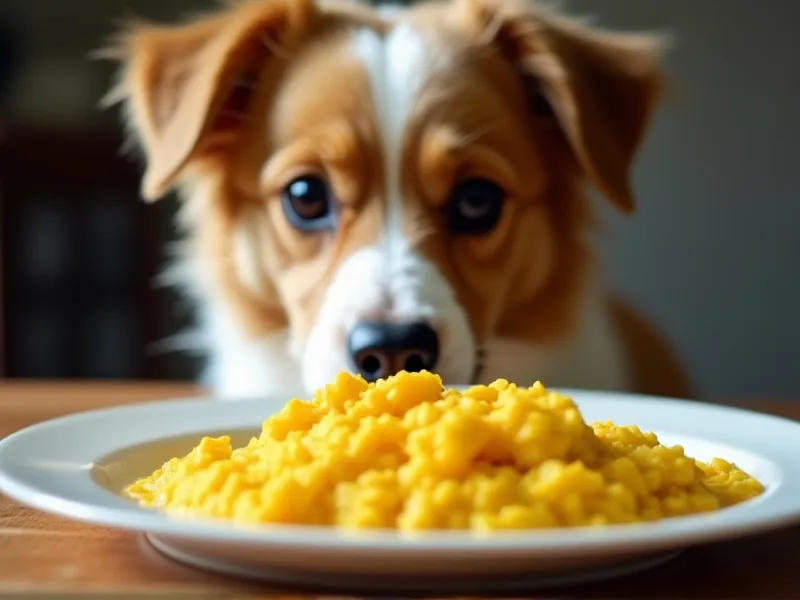
Table of Contents
- Can Dogs Eat Scrambled Eggs? The Short Answer
- Nutritional Benefits of Scrambled Eggs for Dogs
- Potential Risks to Watch For
- How Much Scrambled Egg Can Dogs Safely Eat?
- Healthier Alternatives to Scrambled Eggs
- FAQ: Your Scrambled Egg Questions Answered
- Conclusion
Can Dogs Eat Scrambled Eggs? The Short Answer
Yes, dogs can eat scrambled eggs—but with a few important caveats. Plain, unseasoned, and thoroughly cooked scrambled eggs are generally safe for most dogs as an occasional treat. They’re packed with nutrients that can support your pup’s health, from muscle growth to shiny coats. However, scrambled eggs become risky if they’re loaded with butter, oil, salt, spices, or other additives (looking at you, cheese or onions!).
The key here is simplicity. Think “pup-approved” scrambled eggs: just eggs, cooked through, with no extras. Let’s dive into why eggs are a win for dogs, and where pet parents might go wrong.
Nutritional Benefits of Scrambled Eggs for Dogs
Eggs are often called “nature’s multivitamin,” and it’s easy to see why. For dogs, they offer a powerhouse of nutrients in a small, easy-to-digest package. Here’s how scrambled eggs can boost your pup’s well-being:
1. High-Quality Protein
Protein is the building block of strong muscles, healthy skin, and a robust immune system—and eggs deliver it in spades. One large egg contains about 6 grams of protein, and it’s “complete,” meaning it has all nine essential amino acids dogs need but can’t produce on their own. “Eggs are an excellent source of biologically available protein for dogs,” notes the American Kennel Club (AKC), making them a great addition to a balanced diet, especially for active pups or those recovering from illness.
2. Vitamins for Overall Health
Scrambled eggs are rich in vitamins that support key bodily functions:
- Vitamin A: Essential for eye health, skin integrity, and immune function.
- Vitamin B12: Supports nerve function and red blood cell production—critical for energy levels.
- Vitamin D: Works with calcium to keep bones and teeth strong (most dogs get D from sunlight, but eggs add a tasty boost).
- Riboflavin (B2): Aids in energy metabolism and keeps your dog’s coat shiny.
3. Minerals for Vitality
Eggs also provide minerals that dogs need to thrive:
- Selenium: An antioxidant that protects cells from damage and supports thyroid health.
- Iron: Helps transport oxygen in the blood, preventing anemia.
- Zinc: Supports wound healing, immune function, and healthy skin (hello, fewer itchy paws!).
4. Biotin for Skin and Coat Health
Biotin (a B-vitamin) is famous for promoting soft, glossy fur and reducing dry, flaky skin. Raw eggs contain avidin, a protein that can block biotin absorption—but cooking eggs denatures avidin, making biotin fully available. That means scrambled eggs (cooked!) are a great way to give your dog’s coat a natural glow.
Potential Risks to Watch For
While plain scrambled eggs are safe, not all “scrambled eggs” are created equal. Here are the biggest risks to avoid:
1. Seasonings and Additives
The biggest danger with scrambled eggs isn’t the eggs themselves—it’s what we add to them. Onions, garlic, chives, and leeks (all part of the allium family) are toxic to dogs, even in small amounts, as they damage red blood cells. Salt is another culprit: too much can lead to dehydration, electrolyte imbalances, or even sodium ion poisoning. Spices like pepper, paprika, or hot sauce can irritate your dog’s stomach, causing vomiting or diarrhea.
Even “harmless” additions like butter or oil can be problematic. These add empty calories and fat, which can trigger pancreatitis in sensitive dogs (a painful, potentially life-threatening condition where the pancreas becomes inflamed). Stick to plain scrambled eggs—no butter, no oil, no extras.
2. Overfeeding and Weight Gain
Eggs are nutrient-dense, but they’re also calorie-dense. One large scrambled egg has about 70 calories—no big deal for a 70-pound Lab, but a significant portion of a 10-pound Chihuahua’s daily intake (most small dogs need 200–300 calories total per day). Over time, extra calories from eggs can lead to weight gain, which raises the risk of diabetes, joint pain, and heart disease. Moderation is key!
3. Raw Eggs: A Salmonella Risk
You might’ve heard debate about raw eggs for dogs, but the consensus among vets is clear: cooked is safer. Raw eggs can harbor Salmonella or E. coli, which can sicken both dogs and humans. While some dogs have strong stomachs, puppies, seniors, or dogs with weakened immune systems are especially vulnerable. Scrambling eggs until they’re fully cooked (no runny yolks!) eliminates this risk.
4. Allergies (Rare, but Possible)
Food allergies in dogs are uncommon, but eggs are one of the top 8 allergens (along with chicken, dairy, and wheat). Symptoms include itchy skin, ear infections, or gastrointestinal upset. If your dog has never had eggs before, start with a tiny bite and monitor for 24 hours.
How Much Scrambled Egg Can Dogs Safely Eat?
The golden rule: Scrambled eggs should be a treat, not a meal replacement. Here’s a quick guide to portion sizes based on your dog’s weight:
| Dog Size | Maximum Scrambled Egg per Serving | Frequency |
|---|---|---|
| Small (5–20 lbs) | 1–2 tablespoons (about ¼ of an egg) | Once weekly |
| Medium (20–50 lbs) | ¼–½ of an egg | Once weekly |
| Large (50+ lbs) | ½–1 whole egg | Once weekly |
Note: These are general guidelines. Active dogs or those with higher calorie needs may tolerate slightly more; overweight dogs should stick to smaller portions.
When introducing scrambled eggs, start small. For example, offer a teaspoon to a small dog and watch for signs of stomach upset (vomiting, diarrhea, or gas) over the next 24 hours. If all goes well, you can gradually increase to the recommended portion.
Healthier Alternatives to Scrambled Eggs
If you want to mix up your dog’s treat routine (or your pup isn’t a fan of scrambled eggs), these alternatives offer similar nutrients with added benefits:
1. Boiled Eggs
Boiled eggs are even simpler than scrambled—no risk of added fats, and they’re easy to portion. Peel and slice a hard-boiled egg, or mash it into your dog’s kibble for extra flavor. The yolk is where most nutrients live, so don’t skip it!
2. Scrambled Eggs with Veggies
Boost fiber and vitamins by mixing plain scrambled eggs with dog-safe veggies like spinach, carrots, or zucchini. Sauté the veggies first (no oil!) until soft, then scramble in the egg. Your dog gets protein and fiber to support digestion.
3. Egg Whites
If you’re watching your dog’s fat intake (e.g., for pancreatitis management), egg whites are a low-fat, high-protein option. They contain less biotin than whole eggs, but they’re still a great treat in moderation.
4. Commercial Egg-Based Treats
For convenience, look for dog treats made with eggs as the main ingredient (check labels for no added sugars or preservatives). Brands like Zuke’s or Blue Buffalo offer egg-centric options that are portion-controlled and vet-approved.
FAQ: Your Scrambled Egg Questions Answered
Q: Can puppies eat scrambled eggs?
A: Yes! Puppies need extra protein for growth, and plain scrambled eggs are a safe, easy-to-digest treat. Start with a tiny portion (1–2 teaspoons for small breeds) to avoid upsetting their sensitive tummies. Always consult your vet before introducing new foods to puppies, especially if they’re on a specialized diet.
Q: My dog stole a bite of my seasoned scrambled eggs (with onions/garlic/salt). What should I do?
A: Don’t panic, but monitor your dog closely. A small amount of salt is unlikely to cause harm, but onions or garlic (even in powder form) are toxic. Symptoms of allium toxicity include weakness, lethargy, pale gums, or dark urine, and can appear 2–5 days after ingestion. If your dog ate a significant amount, or if you notice any symptoms, contact your vet immediately.
Q: Are raw eggs better for dogs than scrambled?
A: No. Raw eggs carry a Salmonella risk and contain avidin, a protein that blocks biotin absorption (cooking denatures avidin, making biotin available). The AVMA and most vets recommend cooking eggs to keep your dog safe and maximize nutrient absorption.
Q: Can scrambled eggs help settle my dog’s upset stomach?
A: Maybe! Many vets recommend bland diets (like boiled chicken and rice) for upset tummies, and plain scrambled eggs can be a gentle alternative. The protein is easy to digest, and the texture is soothing. Always check with your vet first, though—if diarrhea or vomiting persists, it could signal a more serious issue.
Q: Is it okay to feed my dog scrambled eggs every day?
A: Probably not. While eggs are healthy, they shouldn’t replace your dog’s balanced commercial diet, which is formulated to meet all their nutritional needs. Daily eggs can lead to nutrient imbalances (e.g., too much cholesterol, though dogs process cholesterol differently than humans) or weight gain. Stick to once weekly as a treat.
Conclusion
Scrambled eggs can be a delicious, nutrient-packed treat for your dog—when prepared properly. Plain, cooked, and served in moderation, they offer protein, vitamins, and minerals to support your pup’s health. Just skip the butter, salt, and spices, and keep portions small to avoid weight gain or stomach issues.
As with any new food, it’s smart to consult your vet, especially if your dog has allergies, chronic conditions, or is on medication. And remember: the best part of sharing treats is the bond you build with your furry friend. So next time you’re making breakfast, flip a little extra egg for your pup—they’ll wag their tail (and maybe even do a happy dance) in thanks!
Sources:
- American Kennel Club (AKC). “Can Dogs Eat Eggs?” [akc.org/expert-advice/nutrition/can-dogs-eat-eggs]
- American Veterinary Medical Association (AVMA). “Foods Your Dog Should Not Eat.” [avma.org/resources/pet-owners/nutrition/foods-your-dog-should-not-eat]
- PetMD. “Eggs for Dogs: Are They Safe?” [petmd.com/dog/nutrition/can-dogs-eat-eggs]