· 8 min read
Can Dogs Eat Eggplant Parmesan? A Pet Parent’s Guide to Sharing the Bite
It’s Friday night, and you’re savoring a slice of eggplant parmesan—crispy breading, melty cheese, and a tangy tomato sauce that’s been simmered to perfection. Out of the corner of your eye, you notice your dog: tail thumping, nose twitching, and that look—the one that says, “Please, just a tiny bite?” Before you cave to those puppy eyes, you pause. Is eggplant parmesan safe for dogs? Or is this Italian favorite a recipe for disaster?
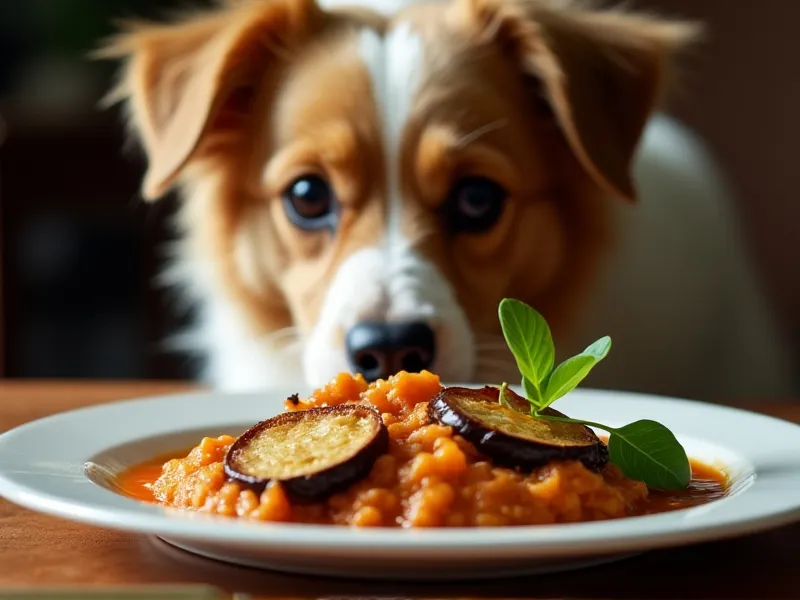
Table of Contents
- Can Dogs Eat Eggplant Parmesan? The Short Answer
- Breaking Down the Ingredients: What’s in Eggplant Parmesan?
- The Upside: Benefits of Eggplant for Dogs
- The Risks: Why Eggplant Parmesan Isn’t Ideal
- How Much (If Any) Is Safe to Feed?
- Healthier Alternatives to Eggplant Parmesan
- FAQ: Your Top Questions Answered
- Conclusion: Love Them Enough to Choose Wisely
- References
Can Dogs Eat Eggplant Parmesan? The Short Answer
No, eggplant parmesan is not a safe or recommended treat for dogs. While plain, cooked eggplant itself is non-toxic and even offers some health benefits, the other ingredients in this dish—cheese, breading, and (most critically) tomato sauce—pose significant risks. From high fat and sodium to potentially toxic additives like garlic or onion, eggplant parmesan is best kept off your pup’s plate.
Breaking Down the Ingredients: What’s in Eggplant Parmesan?
To understand why eggplant parmesan isn’t dog-friendly, let’s dissect its key components:
1. Eggplant
The star of the dish! Eggplant is a low-calorie vegetable rich in fiber, vitamins, and antioxidants. On its own, cooked eggplant is generally safe for dogs in small amounts (more on that later).
2. Cheese
Mozzarella, parmesan, or a blend—cheese adds the “parmesan” in eggplant parmesan. While small bits of cheese aren’t toxic, most dogs are lactose intolerant, and cheese is high in fat and sodium.
3. Breading
Flour, breadcrumbs, and sometimes egg wash coat the eggplant, giving it that crispy texture. Breading is high in refined carbs, empty calories, and often salt—none of which support your dog’s health.
4. Tomato Sauce
The biggest red flag! Most store-bought or homemade tomato sauces contain garlic and onion, which are toxic to dogs. Even small amounts can damage their red blood cells, leading to anemia. Some sauces also add sugar, salt, or spices (like oregano or basil) that irritate sensitive tummies.
The Upside: Benefits of Eggplant for Dogs
While eggplant parmesan is off-limits, plain, cooked eggplant can offer some nutritional perks for dogs—when served correctly. Here’s why eggplant itself isn’t all bad:
Fiber for Digestive Health
Eggplant is packed with dietary fiber, which supports healthy digestion by regulating bowel movements and feeding beneficial gut bacteria. A small serving can help keep your dog’s digestive system running smoothly, according to the American Kennel Club (AKC).
Potassium for Heart and Muscle Function
Potassium is an essential mineral that helps maintain healthy blood pressure, heart rhythm, and muscle function. Eggplant contains a moderate amount of potassium, which supports your dog’s cardiovascular health (PetMD, 2023).
Vitamins and Antioxidants
Eggplant is a good source of:
- Vitamin B6: Aids in brain development and hormone regulation.
- Vitamin C: Boosts immune function and collagen production.
- Nasunin: An antioxidant found in eggplant skin that protects cells from damage (research suggests it may even support eye health).
Low-Calorie and Hydrating
With about 25 calories per cup (cooked) and high water content, eggplant is a guilt-free way to add bulk to your dog’s diet without extra calories—great for overweight pups!
The Risks: Why Eggplant Parmesan Isn’t Ideal
Now, let’s talk about why the full dish is problematic. Even if you skip the garlic and onion (which is rare in traditional recipes), the other ingredients pose serious risks:
1. Garlic and Onion in the Sauce: Toxic to Dogs
Garlic and onion belong to the Allium family, which is highly toxic to dogs. These ingredients damage hemoglobin, the protein in red blood cells that carries oxygen. Symptoms of Allium toxicity include weakness, lethargy, pale gums, and even organ failure. The ASPCA explicitly lists garlic and onion as toxic to pets, noting that even small amounts can be harmful over time (ASPCA, 2023).
2. Cheese: High Fat and Lactose Issues
Most dogs lack enough lactase (the enzyme that breaks down lactose) to digest cheese easily, leading to gas, diarrhea, or vomiting. Additionally, cheese is high in saturated fat, which can trigger pancreatitis—a painful, life-threatening inflammation of the pancreas. Even “low-fat” cheeses are calorie-dense and risky in large amounts.
3. Breading: Empty Calories and Choking Hazards
Breadcrumbs and flour are refined carbohydrates that offer no nutritional value to dogs. They can spike blood sugar, contribute to obesity, and even cause gastrointestinal upset. The crispy texture also poses a choking risk, especially for small dogs or those who gulp food quickly.
4. Sodium Overload
Between the breading, cheese, and sauce, eggplant parmesan is loaded with sodium. Dogs need only about 100-200 mg of sodium per day (depending on size), and a single slice of eggplant parmesan can contain over 500 mg. Too much sodium leads to increased thirst, kidney strain, and high blood pressure.
How Much (If Any) Is Safe to Feed?
If you’re still tempted to share a tiny bite (we get it—those puppy eyes!), here’s the hard truth: it’s better to avoid eggplant parmesan entirely. Even “dog-friendly” versions (no garlic/onion, low-fat cheese) are high in fat, salt, and empty carbs.
If you must share (and only if the sauce is 100% free of garlic, onion, and added sugar), stick to a thumbnail-sized piece—and only once in a blue moon. Monitor your dog for 24 hours afterward for signs of upset: vomiting, diarrhea, lethargy, or loss of appetite. If any symptoms appear, contact your vet immediately.
Healthier Alternatives to Eggplant Parmesan
Instead of sharing your eggplant parmesan, treat your dog to these safe, nutrient-packed alternatives:
1. Plain, Cooked Eggplant
Skip the breading, cheese, and sauce! Slice eggplant into 1-inch cubes, roast or steam until soft, and serve plain (no salt, oil, or seasoning). Start with 1-2 cubes for small dogs, 3-4 for medium/large dogs—no more than once a week.
2. Steamed Green Beans
Crunchy, low-calorie, and high in fiber, green beans are a crowd-pleaser for most dogs. They’re packed with vitamins A, C, and K, and make a great training treat.
3. Carrot Slices
Raw or steamed carrots are rich in beta-carotene (which converts to vitamin A) and help clean your dog’s teeth. They’re sweet, satisfying, and safe for daily snacks.
4. Baked Sweet Potato
Sweet potatoes are loaded with fiber, potassium, and vitamin B6. Slice into rounds, bake until tender, and let cool—your dog will beg for more!
5. Cucumber
Hydrating, low-calorie, and crunchy, cucumber is perfect for hot days. Remove the seeds (they’re safe but can cause gas in some dogs) and slice into bite-sized pieces.
FAQ: Your Top Questions Answered
Q: Can dogs eat eggplant skin?
A: Yes! Eggplant skin is safe and contains most of the nasunin (the antioxidant we mentioned earlier). Just make sure it’s cooked until soft to avoid choking—raw eggplant skin is tough and hard to digest.
Q: My dog stole a whole slice of eggplant parmesan! What should I do?
A: Stay calm. First, check the ingredients: did the sauce have garlic or onion? If yes, call your vet immediately—even a small amount can be toxic. If no garlic/onion, monitor your dog for 24 hours for vomiting, diarrhea, or lethargy. Offer fresh water to help flush sodium, and avoid feeding them their regular meal for a few hours to prevent stomach overload.
Q: Is eggplant parmesan with “dog-safe” cheese (like mozzarella) okay?
A: No. Even mozzarella is high in fat and lactose. A single slice can still cause pancreatitis or digestive upset, especially in small or sensitive dogs.
Q: Are there any dogs who should never eat eggplant (even plain)?
A: Dogs with kidney disease should avoid eggplant, as its potassium content can strain the kidneys. Diabetic dogs should also skip it, as eggplant contains natural sugars that may affect blood sugar levels. Always check with your vet first!
Conclusion: Love Them Enough to Choose Wisely
At the end of the day, sharing food with our dogs is a way to show love—but sometimes, the kindest choice is to say “no” to the table scraps. Eggplant parmesan, with its toxic (garlic/onion) and unhealthy (cheese, breading) ingredients, isn’t worth the risk.
Instead, opt for plain, cooked eggplant or other dog-safe veggies. Your pup will thank you with wagging tails, healthy energy, and a happy tummy. And when in doubt? Always consult your vet before introducing new foods—they know your dog’s unique needs best.
Here’s to many more Friday nights (and every night!) of safe, joyful snacking with your favorite fur baby.
References
- American Society for the Prevention of Cruelty to Animals (ASPCA). (2023). “Toxic and Non-Toxic Plants: Onion.” aspca.org/pet-care/animal-poison-control/toxic-and-non-toxic-plants/onion
- American Kennel Club (AKC). (2023). “Can Dogs Eat Eggplant?” akc.org/expert-advice/nutrition/can-dogs-eat-eggplant/
- PetMD. (2023). “Eggplant for Dogs: Benefits and Risks.” petmd.com/dog/nutrition/can-dogs-eat-eggplant
- Veterinary Centers of America (VCA). (2023). “Pancreatitis in Dogs.” vcaanimalhospitals.com/know-your-pet/pancreatitis-in-dogs