· 9 min read
Can Dogs Eat Eggnog? The Holiday Treat You Should Skip Sharing
It’s a crisp December evening, and the scent of cinnamon and freshly baked cookies fills the air. You’re curled up with a frosty glass of eggnog, savoring its creamy, spiced sweetness. Out of the corner of your eye, you spot your dog: tail thumping, nose twitching, those irresistible puppy eyes locked on your drink. “Just a tiny sip couldn’t hurt, right?” you think. After all, eggnog is made with eggs—something you’ve heard is good for dogs—and it’s so hard to resist that begging face.
But before you tilt the glass toward your pup, let’s hit pause. Eggnog might be a holiday staple for humans, but is it safe for our four-legged friends? In this post, we’ll break down the risks, the (limited) potential benefits, and what you can share instead. Spoiler: Your dog’s holiday cheer is better off without the nog.
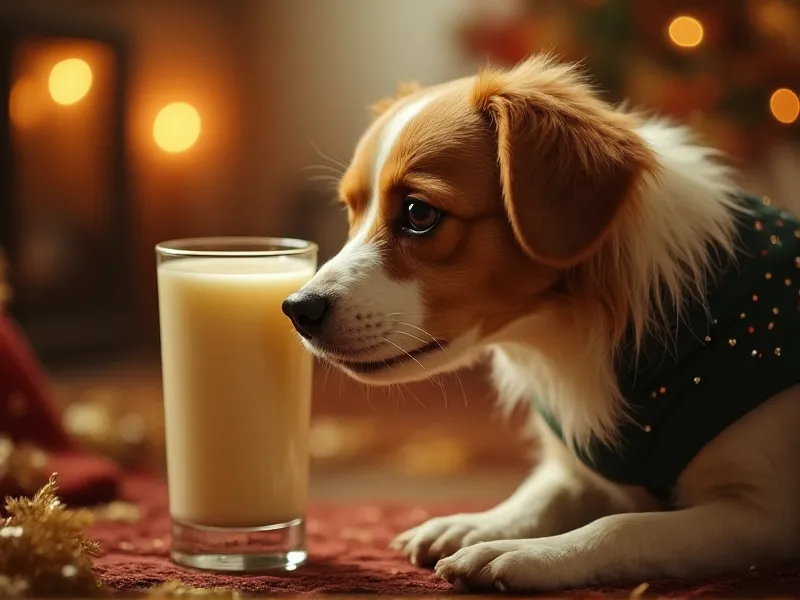
Table of Contents
- Can Dogs Eat Eggnog? The Short Answer
- The “Benefits” of Eggnog for Dogs: Separating Fact from Fiction
- The Risks of Eggnog for Dogs: Why It’s Best to Avoid
- How Much Eggnog Is “Safe” for Dogs? Spoiler: None
- Healthier Holiday Treat Alternatives for Your Dog
- FAQ: What to Do If Your Dog Drank Eggnog
- Conclusion: Keep the Holidays Safe (and Sweet) for Your Pup
- References
Can Dogs Eat Eggnog? The Short Answer
No, dogs should not eat eggnog. While eggnog contains eggs (which are generally safe and nutritious for dogs in moderation), the other ingredients in this holiday drink—sugar, dairy, alcohol, spices like nutmeg, and even artificial sweeteners—make it a risky choice. Even a small sip can lead to stomach upset, and larger amounts could cause serious health issues, including toxicity.
The “Benefits” of Eggnog for Dogs: Separating Fact from Fiction
At first glance, you might think eggnog has some redeeming qualities for dogs. After all, it’s made with eggs, which are packed with nutrients. Let’s set the record straight:
Eggs Are Nutritious—But Eggnog Isn’t Just Eggs
Eggs themselves are a fantastic source of protein, vitamins (A, D, B12), minerals (selenium, iron), and healthy fats for dogs. Cooked eggs (scrambled, boiled, or poached—never raw, due to salmonella risk) are often recommended by vets as a occasional treat or even a dietary supplement for dogs with upset stomachs.
But here’s the catch: Eggnog is not just eggs. It’s eggs mixed with sugar, milk, cream, spices, and sometimes alcohol. These added ingredients turn a nutrient-dense food (eggs) into a cocktail of potential hazards for your pup. So while eggs are great, eggnog? Not so much.
The Risks of Eggnog for Dogs: Why It’s Best to Avoid
Let’s dive into the specific ingredients in eggnog that make it dangerous for dogs. Even “simple” homemade eggnog can pose risks, and store-bought versions often have extra additives that up the danger.
Sugar: Empty Calories and Long-Term Harm
Most eggnog is loaded with sugar—sometimes 20+ grams per cup! Dogs don’t need sugar in their diets, and excess sugar can lead to:
- Obesity: Extra calories from sugar quickly add up, contributing to weight gain and related issues like joint pain or diabetes.
- Dental problems: Sugar feeds harmful bacteria in your dog’s mouth, leading to plaque, tartar, and cavities.
- Energy spikes and crashes: Just like in humans, sugar can make dogs hyperactive, followed by a lethargic slump.
Worse, some dogs are more sensitive to sugar than others. Small breeds, puppies, or dogs with pre-existing conditions (like diabetes) are at even higher risk.
Dairy: Lactose Intolerance and Stomach Upset
Eggnog is typically made with milk, cream, or half-and-half—all high in lactose, a sugar found in dairy products. Most adult dogs are lactose intolerant because they stop producing enough lactase (the enzyme that breaks down lactose) after puppyhood.
What does that mean for your dog? Ingesting lactose can cause:
- Bloating, gas, or diarrhea
- Stomach cramps or discomfort
- Vomiting (in severe cases)
Even if your dog tolerates a little milk, the high fat content in cream (common in eggnog) can trigger pancreatitis—a painful, potentially life-threatening inflammation of the pancreas. Symptoms of pancreatitis include vomiting, loss of appetite, and lethargy, and it requires immediate veterinary care.
Alcohol: A Hidden (and Deadly) Danger
Some eggnog recipes (especially homemade ones) include alcohol, like rum, brandy, or whiskey. Even a tiny amount of alcohol is toxic to dogs. According to the ASPCA, just 1 teaspoon of hard liquor per 5 pounds of a dog’s body weight can cause severe intoxication, and more can be fatal.
Alcohol poisoning in dogs can lead to:
- Vomiting, diarrhea, or loss of coordination
- Slowed breathing or heart rate
- Seizures or coma
- Death (in extreme cases)
Even “non-alcoholic” eggnog can sometimes contain trace amounts of alcohol (from flavorings), so it’s not worth the risk.
Nutmeg: Toxic in Large Doses
Nutmeg is a common spice in eggnog, and while a pinch might seem harmless, it’s actually toxic to dogs in larger quantities. Nutmeg contains myristicin, a compound that can cause:
- Hallucinations or disorientation
- Increased heart rate or seizures
- Abdominal pain or vomiting
Most eggnog has only a small amount of nutmeg, but dogs are smaller than humans, so even a little can add up. For example, a 10-pound dog would only need to ingest about 1/4 teaspoon of nutmeg to experience negative effects, according to the Pet Poison Helpline.
Xylitol: The Silent Killer in “Sugar-Free” Varieties
If you opt for “sugar-free” eggnog to avoid the sugar rush, you’re swapping one risk for a far deadlier one: xylitol. Xylitol is an artificial sweetener used in many sugar-free products, and it’s extremely toxic to dogs—even in tiny amounts.
Xylitol causes a rapid release of insulin in dogs, leading to a dangerous drop in blood sugar (hypoglycemia). Symptoms include:
- Weakness, staggering, or collapse
- Seizures or loss of consciousness
- Liver failure (if left untreated)
According to the ASPCA, as little as 0.1 grams of xylitol per pound of a dog’s body weight can cause hypoglycemia, and higher doses can lead to liver damage. Even a few sips of sugar-free eggnog could be fatal for a small dog.
How Much Eggnog Is “Safe” for Dogs? Spoiler: None
You might be thinking, “What if I make eggnog at home with just eggs, a little milk, and no sugar, alcohol, or spices? Could my dog have a tiny sip then?”
While this “plain” version eliminates some risks (sugar, alcohol, nutmeg, xylitol), it still contains dairy (lactose) and raw eggs (which carry a salmonella risk for dogs, just like humans). Even cooked eggs mixed with milk could upset your dog’s stomach due to lactose intolerance.
The bottom line: There’s no “safe” amount of eggnog for dogs. The risks—even from small quantities—outweigh any potential benefits. It’s better to skip sharing entirely.
Healthier Holiday Treat Alternatives for Your Dog
Just because eggnog is off the table doesn’t mean your dog has to miss out on holiday cheer! Here are some safe, tasty alternatives to share:
1. Plain Cooked Eggs
Skip the nog and give your dog a simple cooked egg (scrambled, boiled, or poached—never raw). Eggs are packed with protein and nutrients, and most dogs love them.
2. Greek Yogurt (Plain, Unsweetened)
Opt for plain, unsweetened Greek yogurt (no added sugar or artificial sweeteners). It’s lower in lactose than milk, high in protein, and contains probiotics that support gut health. Serve a tablespoon or two as a treat.
3. Dog-Friendly “Eggnog”
Make your own pup-safe version! Mix 1 cooked, mashed egg with 1/4 cup of water or low-sodium chicken broth. Add a dash of cinnamon (safe for dogs in small amounts) for a festive twist. No sugar, dairy, or spices—just creamy goodness.
4. Frozen Pumpkin Treats
Pureed pumpkin (unsweetened, no spices) is rich in fiber and vitamins. Mix with a little plain yogurt, freeze in ice cube trays, and serve as a cold, refreshing snack.
5. Carrot or Apple Slices
Crunchy, sweet, and low in calories, carrot or apple slices (core and seeds removed for apples) make great holiday treats. They’re high in fiber and vitamins—plus, dogs love the crunch!
FAQ: What to Do If Your Dog Drank Eggnog
Q: My dog snuck a sip of my eggnog! Should I panic?
A: Stay calm, but monitor them closely. If the eggnog contained alcohol, xylitol, or a lot of nutmeg, contact your vet immediately. For small sips of regular eggnog (no alcohol/xylitol), watch for symptoms like vomiting, diarrhea, or lethargy. If any of these occur, call your vet.
Q: Is nutmeg really that dangerous? My eggnog only had a sprinkle.
A: Nutmeg toxicity depends on the amount ingested relative to your dog’s size. A large dog might tolerate a tiny sprinkle, but a small dog (e.g., a Chihuahua) could get sick from even a pinch. When in doubt, call your vet.
Q: Can puppies have eggnog?
A: Puppies have even more sensitive digestive systems than adult dogs, so eggnog is an even bigger no-no. Their bodies can’t process sugar, dairy, or spices as well, and they’re more prone to hypoglycemia from xylitol.
Q: What if my dog drank sugar-free eggnog?
A: Sugar-free eggnog often contains xylitol, which is toxic. Call your vet or the Pet Poison Helpline (855-764-7661) immediately. Time is critical with xylitol—treatment within 30 minutes can save their life.
Conclusion: Keep the Holidays Safe (and Sweet) for Your Pup
The holidays are all about sharing, but when it comes to eggnog, it’s best to keep that glass to yourself. While your dog might beg with those adorable eyes, the risks of sugar, dairy, alcohol, nutmeg, and xylitol far outweigh any momentary joy of sharing a sip.
Instead, opt for dog-safe treats like cooked eggs, plain yogurt, or homemade pumpkin snacks. Your pup will love the attention, and you’ll have peace of mind knowing you’re keeping them healthy.
And if your dog does sneak a taste of eggnog? Don’t hesitate to contact your vet. Better safe than sorry!
Here’s to a happy, healthy holiday season for you and your four-legged friend—cheers (with dog-safe treats, of course)!
References
- American Society for the Prevention of Cruelty to Animals (ASPCA). “Toxic and Non-Toxic Plants: Nutmeg.” aspca.org
- ASPCA. “Xylitol Poisoning in Dogs.” aspca.org
- American Veterinary Medical Association (AVMA). “Holiday Hazards for Pets.” avma.org
- Pet Poison Helpline. “Nutmeg Toxicity in Dogs and Cats.” petpoisonhelpline.com
- Tufts University Cummings School of Veterinary Medicine. “Lactose Intolerance in Dogs.” tuftscvm.org