· 9 min read
Can Dogs Eat Egg Whites? A Pet Parent’s Guide to Safe, Nutritious Treats
Picture this: You’re standing at the stove, frying an egg for breakfast. The aroma fills the kitchen, and suddenly, you feel a wet nose nudge your hand. Your dog—tail wagging, eyes wide—sits perfectly, as if to say, “Is that for me?” You crack the egg, and a fluffy white spills into the pan. Can I share this? you wonder. “Are egg whites safe for dogs?”
If you’ve ever asked yourself that, you’re not alone. Eggs are a staple in many homes, and as pet parents, we want to share the best (and safest) parts of our lives with our furry friends. Today, we’re diving into the truth about dogs and egg whites: Are they a healthy snack, or a hidden hazard? Let’s break it down—so you can feel confident the next time your pup begs for a bite.
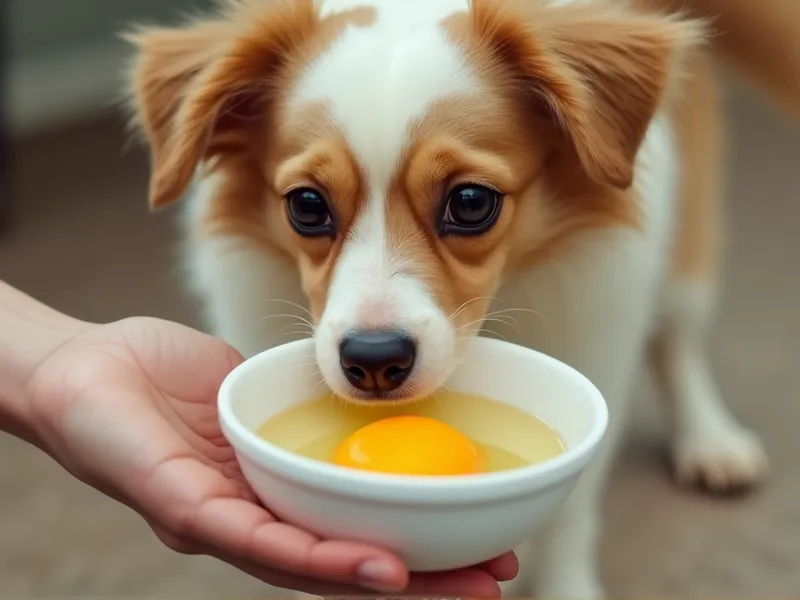
Table of Contents
- Can Dogs Eat Egg Whites? The Short Answer
- The Nutritional Breakdown: What Do Egg Whites Offer Dogs?
- High-Quality Protein: Building Blocks for a Healthy Pup
- B Vitamins: Supporting Energy and Brain Health
- Selenium: A Powerful Antioxidant
- Potassium: For Heart and Muscle Function
- Potential Risks of Feeding Egg Whites to Dogs
- Raw vs. Cooked: The Salmonella Concern
- Avidin and Biotin: A Tricky Pair
- Choking Hazard: Size Matters
- Stomach Upset: Too Much of a Good Thing
- How Much Egg White Is Safe for Your Dog? Guidelines by Size
- Small Dogs (Under 20 lbs)
- Medium Dogs (20–50 lbs)
- Large Dogs (50+ lbs)
- Healthier Alternatives to Egg Whites for Dogs
- Cooked Egg Yolks (In Moderation)
- Plain Greek Yogurt
- Cooked Lean Chicken or Turkey
- Pumpkin (Plain, Canned)
- FAQ: Your Top Egg White Questions Answered
- Conclusion: Moderation and Common Sense Are Key
- References
Can Dogs Eat Egg Whites? The Short Answer
Yes, dogs can eat egg whites—but with caveats. Cooked egg whites are generally safe for most dogs, offering a low-calorie, high-protein snack. However, raw egg whites pose risks (more on that later), and portion control is critical. Think of egg whites as an occasional treat, not a meal replacement. Always consult your vet first, especially if your dog has allergies, digestive issues, or special dietary needs.
The Nutritional Breakdown: What Do Egg Whites Offer Dogs?
Egg whites often get overlooked in favor of yolks, but they’re nutritional powerhouses in their own right. Let’s unpack why they might make a great addition to your dog’s treat rotation.
High-Quality Protein: Building Blocks for a Healthy Pup
Egg whites are packed with protein—about 3.6 grams per large egg white, to be exact. Protein is essential for dogs: it repairs cells, builds muscle, supports a healthy coat, and keeps their immune system strong. Unlike some plant-based proteins, egg white protein is “complete,” meaning it contains all nine amino acids dogs need to thrive.
For active dogs, senior dogs (who may lose muscle mass), or dogs recovering from illness, a little extra protein from egg whites can be beneficial. Just remember: their main diet should still be a balanced dog food formulated to meet their specific needs.
B Vitamins: Supporting Energy and Brain Health
Egg whites are rich in B vitamins, including riboflavin (B2) and niacin (B3). Riboflavin helps convert food into energy and keeps your dog’s skin, coat, and eyes healthy. Niacin supports brain function and digestion. These vitamins are water-soluble, meaning dogs can’t store them—so they need a steady supply from their diet. A small serving of egg whites can help top up their B-vitamin levels!
Selenium: A Powerful Antioxidant
Selenium is a trace mineral found in egg whites that acts as an antioxidant, fighting off free radicals (harmful molecules that damage cells). It also supports thyroid function, which regulates metabolism. A deficiency in selenium can lead to fatigue, muscle weakness, or a dull coat—so getting enough is key. Egg whites offer a natural, easy way to boost your dog’s selenium intake.
Potassium: For Heart and Muscle Function
Potassium is an electrolyte that helps regulate fluid balance, muscle contractions (including the heart), and nerve signals. Dogs need potassium to stay active and healthy—too little can cause weakness or irregular heartbeats. Egg whites contain a small amount of potassium, making them a mild but useful source of this essential nutrient.
Potential Risks of Feeding Egg Whites to Dogs
While egg whites have benefits, they’re not without risks. Let’s break down what to watch out for to keep your pup safe.
Raw vs. Cooked: The Salmonella Concern
Raw egg whites are a big no-no. Raw eggs (whites or yolks) can contain Salmonella, a bacteria that causes food poisoning in both dogs and humans. Symptoms include vomiting, diarrhea, fever, and lethargy. While some dogs have strong stomachs, puppies, seniors, and dogs with weakened immune systems are especially vulnerable.
Cooking egg whites kills Salmonella and makes them safer to eat. Stick to fully cooked egg whites—scrambled, boiled, or poached (no added salt, butter, or seasoning!).
Avidin and Biotin: A Tricky Pair
Raw egg whites contain a protein called avidin, which binds to biotin (a B vitamin) and prevents dogs from absorbing it. Biotin is crucial for healthy skin, coat, and nails—deficiency can lead to dry skin, hair loss, or even neurological issues.
The good news? Cooking egg whites denatures avidin, rendering it harmless. So as long as you cook the egg whites, biotin absorption isn’t a concern.
Choking Hazard: Size Matters
Whole or large chunks of egg white can pose a choking risk, especially for small dogs. Soft and slippery, they can get stuck in your dog’s throat. To avoid this, always chop cooked egg whites into small, bite-sized pieces before feeding.
Stomach Upset: Too Much of a Good Thing
Egg whites are high in protein, and too much protein at once can upset your dog’s stomach. Symptoms like gas, diarrhea, or vomiting may occur if you overdo it. Remember: treats should make up no more than 10% of your dog’s daily calories. For most dogs, even a full egg white is a lot—so portion control is key.
How Much Egg White Is Safe for Your Dog? Guidelines by Size
The “right” amount of egg white depends on your dog’s size, age, and activity level. Here’s a general guide to follow:
Small Dogs (Under 20 lbs): ¼ to ½ Egg White
Dogs like Chihuahuas, Yorkies, or Shih Tzus have tiny tummies. A quarter to half of a cooked, chopped egg white is plenty as an occasional treat. For example, a 10-pound Yorkie might enjoy a teaspoon of egg white mixed into their kibble once a week.
Medium Dogs (20–50 lbs): ½ to 1 Egg White
Breeds like Beagles, Cocker Spaniels, or Bulldogs can handle a bit more. Half to one whole cooked egg white, chopped, is safe 2–3 times a week. Avoid feeding it daily—variety is important for a balanced diet!
Large Dogs (50+ lbs): 1 to 1½ Egg Whites
Big dogs like Labradors, German Shepherds, or Great Danes can tolerate larger portions. One to one and a half cooked egg whites, chopped, is a reasonable treat a few times a week. Still, don’t make it a daily habit—too much protein can strain their kidneys over time.
Pro tip: Always monitor your dog after feeding egg whites for the first time. If they show signs of stomach upset, stop feeding them and consult your vet.
Healthier Alternatives to Egg Whites for Dogs
If egg whites aren’t your dog’s favorite (or you want to mix up their treats), here are some nutrient-dense alternatives:
Cooked Egg Yolks (In Moderation)
Egg yolks are richer in nutrients than whites—they contain biotin, vitamin D, and healthy fats. However, they’re also high in calories and cholesterol, so feed them sparingly. A small yolk (½ for small dogs, 1 for large) once a week is fine for most dogs.
Plain Greek Yogurt
Greek yogurt is packed with protein, probiotics (good for gut health), and calcium. Choose plain, unsweetened yogurt (no added sugar or artificial sweeteners like xylitol, which is toxic to dogs). A tablespoon for small dogs, ¼ cup for large dogs, is a great occasional treat.
Cooked Lean Chicken or Turkey
Boiled or baked chicken/turkey (no bones, skin, or seasoning) is a lean protein source dogs love. It’s low in fat, easy to digest, and perfect for training treats.
Pumpkin (Plain, Canned)
Plain, canned pumpkin (not pie filling!) is high in fiber and beta-carotene, which supports eye health. It’s also great for settling upset stomachs. A teaspoon (small dogs) to ¼ cup (large dogs) mixed into food is a healthy, low-calorie option.
FAQ: Your Top Egg White Questions Answered
Q: Can puppies eat egg whites?
A: Yes, but in small, cooked portions. Puppies have sensitive stomachs, so start with a tiny amount (like a teaspoon of chopped egg white) and watch for signs of digestive upset. Always consult your vet before introducing new foods to puppies.
Q: Can dogs eat raw egg whites?
A: No. Raw egg whites carry a risk of Salmonella and contain avidin, which blocks biotin absorption. Cooked egg whites are the only safe option.
Q: Are egg whites good for dogs with allergies?
A: Maybe! Egg whites are a “novel protein” for some dogs (meaning they haven’t eaten them before), so they may be tolerated by dogs allergic to common proteins like chicken or beef. However, some dogs are allergic to eggs, so introduce them slowly and watch for itching, redness, or diarrhea.
Q: Can dogs have egg whites every day?
A: It’s not recommended. While egg whites are nutritious, dogs need a varied diet to get all the nutrients they need. Feeding them daily may also lead to an imbalance (e.g., too much protein) or boredom. Stick to 2–3 times a week at most.
Q: My dog ate raw egg whites by accident. What should I do?
A: Monitor them for 24–48 hours for signs of Salmonella poisoning (vomiting, diarrhea, fever). If symptoms appear, contact your vet. For biotin deficiency, it would take weeks of eating raw whites daily to cause issues, so a one-time accident is unlikely to harm them.
Conclusion: Moderation and Common Sense Are Key
Egg whites can be a safe, nutritious treat for dogs when cooked and fed in moderation. They’re a great source of protein, B vitamins, and minerals—but they’re not a replacement for a balanced dog food. Always cook them thoroughly, chop them into small pieces, and limit portions to avoid stomach upset or choking.
As with any new food, consult your vet first—especially if your dog has health issues. And remember: the best treats are ones that make both you and your pup happy. So next time you’re cooking eggs, share a tiny, cooked, chopped piece with your furry friend. They’ll wag their tail, and you’ll feel good knowing you’re treating them safely.
References
- American Kennel Club (AKC). “Can Dogs Eat Eggs?” akc.org/expert-advice/nutrition/can-dogs-eat-eggs
- PetMD. “Eggs for Dogs: Are They Safe?” petmd.com/dog/nutrition/can-dogs-eat-eggs
- American College of Veterinary Nutrition (ACVN). “Nutrition for Dogs: What You Need to Know.” acvn.org/nutrition-resources/pet-nutrition-resources
- The Humane Society of the United States. “Feeding Your Dog: What’s Safe and What’s Not.” humanesociety.org/resources/feeding-your-dog