· 8 min read
Can Dogs Eat Dried Pasta? What Pet Parents Need to Know
Picture this: You’re boiling a pot of your favorite dried pasta for dinner, and as you reach for the colander, a few strands slip onto the floor. Before you can say “drop it,” your dog—ever the opportunist—scoops them up and trots away, tail wagging. Cue the panic: Is dried pasta safe for dogs? Did I just poison my pup?
If you’ve ever found yourself in this scenario, you’re not alone. Pasta is a pantry staple in millions of homes, so it’s natural to wonder if sharing a bite with your furry friend is okay. The good news? Plain, cooked dried pasta is generally safe for dogs in moderation. But there’s a catch (or two, or three). Let’s break down everything you need to know to keep your dog happy and healthy—no pasta-related stress required.
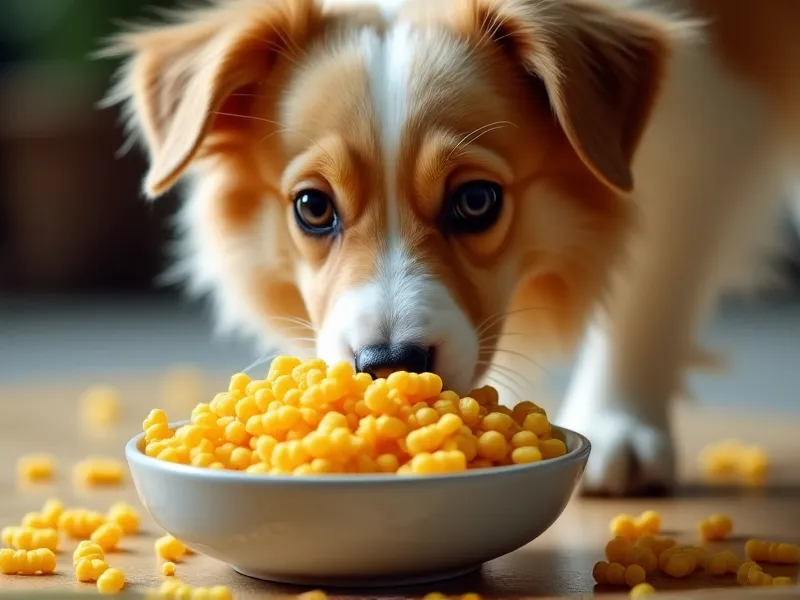
Table of Contents
- Can Dogs Eat Dried Pasta? The Short Answer
- What’s in Dried Pasta, Anyway? A Nutritional Breakdown
- Potential Benefits of Dried Pasta for Dogs (Yes, There Are a Few!)
- Risks to Watch Out For: When Pasta Becomes a Problem
- Safe Feeding Guidelines: How Much Pasta Can Dogs Eat?
- Healthier Alternatives to Dried Pasta for Dogs
- FAQ: Your Dried Pasta Questions, Answered
- Conclusion: Pasta as a Treat, Not a Staple
Can Dogs Eat Dried Pasta? The Short Answer
Yes, dogs can eat plain, cooked dried pasta in small, occasional amounts. But there are important caveats:
- Raw dried pasta is a no-go. It’s hard, dry, and can pose choking hazards or intestinal blockages.
- Seasonings, sauces, or additives (like garlic, onion, salt, or sugar) make pasta toxic. Always serve plain.
- Moderation is key. Pasta is high in carbs and low in nutrients, so it shouldn’t replace your dog’s balanced diet.
In short: Cooked, unseasoned, and in tiny portions, dried pasta is a safe (if unexciting) treat. But raw or fancy pasta dishes? Keep those far from your pup.
What’s in Dried Pasta, Anyway? A Nutritional Breakdown
To understand if pasta is “good” for dogs, let’s start with what’s in it. Most dried pasta is made from just two ingredients: wheat flour (white or whole grain) and water. Some brands add fortified nutrients like iron, B vitamins, or folic acid (common in enriched pasta).
Here’s a rough nutritional profile for 1 cup of cooked, plain dried pasta (about 2 oz dry):
- Calories: ~220
- Carbs: ~43g (primary nutrient)
- Protein: ~8g
- Fiber: ~2g (more in whole grain varieties)
- Iron: ~1.8mg
- B vitamins (thiamine, riboflavin): Small amounts
- Potassium: ~90mg
For dogs, pasta is essentially a source of quick energy (from carbs) and minimal other nutrients. It’s not a “superfood” by any stretch—but it’s not harmful in small doses, either.
Potential Benefits of Dried Pasta for Dogs (Yes, There Are a Few!)
While pasta shouldn’t be a dietary staple, it does offer minor perks when served correctly:
1. Fiber for Digestive Health
Whole grain dried pasta (like whole wheat or brown rice pasta) contains more fiber than white pasta. Fiber helps regulate digestion, preventing constipation and supporting a healthy gut microbiome. For dogs with mild digestive upset (think: occasional diarrhea), a small serving of plain, cooked pasta can act as a “bland diet” to soothe their stomach (similar to rice).
2. B Vitamins for Energy
Enriched dried pasta often includes B vitamins like thiamine (B1) and riboflavin (B2). These vitamins help convert food into energy, support brain function, and keep your dog’s coat and skin healthy. However, dogs get most of their B vitamins from high-quality dog food, so pasta is a tiny bonus, not a replacement.
3. Potassium for Muscles and Nerves
Pasta has small amounts of potassium, an electrolyte that supports muscle contraction, nerve function, and heart health. Again, this is minimal—your dog gets far more potassium from foods like bananas, sweet potatoes, or their regular kibble.
Risks to Watch Out For: When Pasta Becomes a Problem
Pasta’s risks often come from how (or how much) it’s served. Let’s break down the biggest dangers:
1. Raw Pasta: Choking or Blockages
Raw dried pasta is rock-hard and dry. If your dog swallows a large piece, it can get stuck in their throat (choking) or expand in their stomach/intestines when hydrated, causing blockages. Symptoms of blockages include vomiting, loss of appetite, or lethargy—if you suspect this, call your vet immediately.
2. Toxic Additives: Garlic, Onion, Salt, and Sugar
Pasta itself is harmless, but the extras in your dinner? Deadly. Garlic and onion (even in small amounts) damage a dog’s red blood cells, leading to anemia. Salt overload causes sodium ion poisoning (symptoms: vomiting, diarrhea, seizures). Sugar spikes blood sugar and contributes to obesity or diabetes. Always serve pasta plain—no sauce, no seasoning, no “human” extras.
3. Weight Gain and Obesity
Dogs thrive on protein, healthy fats, and balanced nutrients—not empty carbs. Pasta is calorie-dense (220 calories per cup!) and low in satiety, so overfeeding leads to weight gain. Extra pounds raise the risk of joint pain, diabetes, and heart disease.
4. Stomach Upset
Even plain pasta can upset sensitive tummies. Dogs aren’t designed to digest large amounts of wheat, so too much can cause gas, bloating, diarrhea, or constipation. This is especially true for dogs with gluten intolerance (rare but possible) or grain allergies.
5. Nutritional Imbalance
If pasta replaces your dog’s regular food, they’ll miss out on essential nutrients like protein, omega-3s, or vitamins (e.g., vitamin D for bones). Over time, this leads to deficiencies. Think of pasta as a “junk food” for dogs—tasty in small bites, but nutritionally empty.
Safe Feeding Guidelines: How Much Pasta Can Dogs Eat?
So, if plain, cooked pasta is safe, how much is “too much”? A good rule: Treats should make up no more than 10% of your dog’s daily calories. For pasta, that translates to tiny portions.
Here’s a rough guide based on your dog’s size:
- Small dogs (under 20 lbs): 1–2 tablespoons cooked pasta, once a week.
- Medium dogs (20–50 lbs): ¼ cup cooked pasta, once a week.
- Large dogs (50+ lbs): ½ cup cooked pasta, once a week.
Example: A 30-lb dog needs ~700 calories/day. 10% is 70 calories—about ⅓ cup of cooked pasta. That’s a tiny serving!
Pro tip: Mix pasta into your dog’s regular food to avoid overfeeding, or serve it as a standalone treat (but skip their next meal if you do—no double-dipping on calories).
Healthier Alternatives to Dried Pasta for Dogs
If you want to spoil your dog with a carb-based treat, there are better options than pasta. These alternatives are more nutrient-dense and easier to digest:
1. Cooked Brown Rice
A classic “bland diet” staple, brown rice is high in fiber, B vitamins, and manganese (supports bone health). It’s gentler on tummies than wheat pasta and works well for dogs with grain allergies (if you use white rice).
2. Quinoa
A gluten-free superfood! Quinoa is packed with protein (complete amino acids), iron, and fiber. It’s easy to cook and mixes well with veggies or lean protein (like boiled chicken).
3. Sweet Potatoes
Baked or mashed, sweet potatoes are rich in beta-carotene (vitamin A), fiber, and potassium. They’re naturally sweet, so dogs love them—and they’re way more nutrient-dense than pasta.
4. Pumpkin (Plain, Canned)
Canned pumpkin (not pie filling!) is a digestion hero. It’s high in fiber and beta-carotene, and helps soothe both diarrhea and constipation. Mix a spoonful into your dog’s food for a tasty, healthy boost.
5. Whole Grain Pasta (Still Moderate!)
If you must serve pasta, opt for whole wheat or legume-based pasta (chickpea, lentil). These have more fiber and protein than white pasta—but remember, they’re still carbs. Stick to the same tiny portion guidelines.
FAQ: Your Dried Pasta Questions, Answered
Q: Can dogs eat raw dried pasta?
A: No! Raw pasta is hard and dry, so it can choke your dog or get stuck in their intestines. Always cook pasta until soft.
Q: What if my dog ate raw pasta?
A: Monitor for choking (gagging, pawing at mouth) or blockage symptoms (vomiting, lethargy, loss of appetite). If they show signs, call your vet immediately.
Q: Is whole wheat pasta better for dogs than white pasta?
A: Slightly. Whole wheat has more fiber and nutrients, but it’s still high in carbs. Both are safe in small amounts—just avoid overdoing it.
Q: Can puppies eat dried pasta?
A: Puppies have sensitive tummies and need nutrient-dense food for growth. Occasional tiny bites (1–2 tbsp cooked, plain) are okay, but stick to puppy food for meals.
Q: My dog ate pasta with sauce—what do I do?
A: If the sauce had garlic, onion, or salt, call your vet right away. These ingredients are toxic even in small doses. Watch for symptoms like vomiting, diarrhea, or weakness.
Conclusion: Pasta as a Treat, Not a Staple
So, can dogs eat dried pasta? Yes—but only plain, cooked, and in tiny amounts. It’s not a “healthy” treat, but it’s safe for an occasional nibble.
Remember: Your dog’s diet should focus on high-quality protein, healthy fats, and balanced nutrients. Pasta is just empty carbs—fun for a moment, but no substitute for their regular food. When in doubt, ask your vet—they’ll help you tailor treats to your dog’s age, size, and health needs.
Now, go enjoy your pasta dinner (with extra cheese for you, plain noodles for your pup… if they’re lucky). 🐾
References
- American Society for the Prevention of Cruelty to Animals (ASPCA). Toxic and Non-Toxic Plants and Foods. aspca.org/pet-care/animal-poison-control/toxic-and-non-toxic-foods
- PetMD. Can Dogs Eat Pasta? petmd.com/dog/nutrition/can-dogs-eat-pasta
- American College of Veterinary Nutrition (ACVN). Nutrition Basics for Dogs. acvn.org/nutrition-basics-for-dogs
- VCA Animal Hospitals. Dietary Guidelines for Dogs. vcahospitals.com/know-your-pet/nutrition-dietary-guidelines-for-dogs