· 7 min read
Can Dogs Eat Dried Anchovies? Benefits, Risks & Safe Feeding Guide
As a pet parent, you’ve probably found yourself staring at your snack stash, wondering, “Is this safe to share with my pup?” Whether it’s a bag of chips, a piece of fruit, or—let’s be real—a salty, crunchy handful of dried anchovies, that curious canine gaze can make even the most cautious of us second-guess our treat choices.
Dried anchovies are a popular human snack, prized for their umami flavor and protein punch. But when it comes to our four-legged friends, the rules change. Are these tiny, dried fish a healthy addition to your dog’s diet, or a risky indulgence? Let’s dive in and find out.
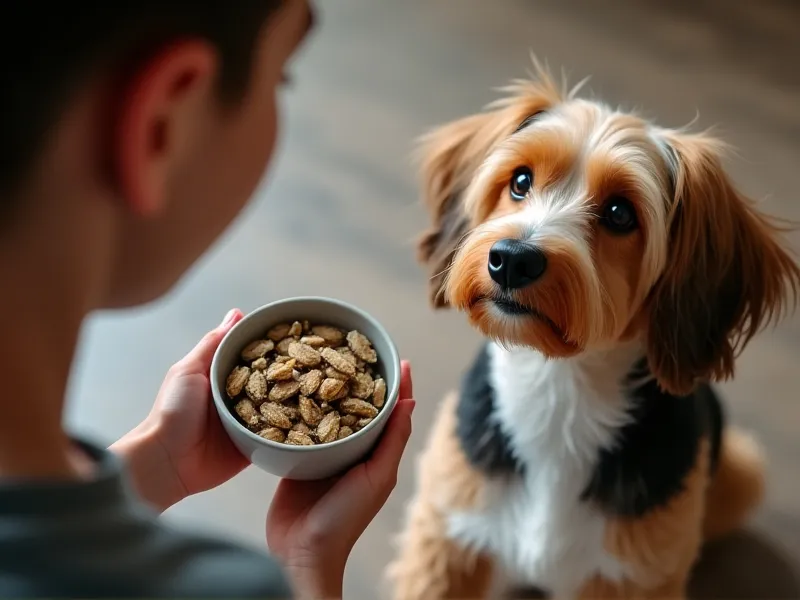
Table of Contents
- Introduction
- Can Dogs Eat Dried Anchovies? The Short Answer
- Nutritional Benefits of Dried Anchovies for Dogs
- Potential Risks to Watch Out For
- How Much Dried Anchovy Can Dogs Safely Eat?
- Healthier Alternatives to Dried Anchovies
- FAQ: Your Top Questions Answered
- Conclusion: Moderation is Key
Can Dogs Eat Dried Anchovies? The Short Answer
Yes, dogs can eat plain, unseasoned dried anchovies in moderation. These tiny fish are packed with nutrients that can benefit your pup, from protein to omega-3 fatty acids. However, they’re not without risks—namely high sodium content and choking hazards. The key is to choose the right type (no added salt or flavorings) and serve them sparingly as an occasional treat, not a meal replacement.
Nutritional Benefits of Dried Anchovies for Dogs
Dried anchovies are more than just a crunchy snack—they’re a nutritional powerhouse. Let’s break down why these tiny fish might deserve a spot in your dog’s treat jar (in moderation, of course).
1. High-Quality Protein
Protein is the building block of your dog’s muscles, skin, and coat. Dried anchovies are loaded with it—around 60-70% protein by weight, according to nutritional data. This makes them an excellent source of lean, animal-based protein, which is easier for dogs to digest than plant-based proteins.
Why it matters: Puppies need protein for growth, adult dogs for muscle maintenance, and senior dogs to prevent muscle loss.
2. Omega-3 Fatty Acids
Anchovies are rich in EPA and DHA, two omega-3 fatty acids with anti-inflammatory properties. These healthy fats support:
- Skin and coat health: Reducing itchiness, dryness, and shedding (hello, shiny fur!).
- Joint function: Easing stiffness in dogs with arthritis or hip dysplasia.
- Brain and eye development: Critical for puppies, but also beneficial for senior dogs’ cognitive health.
Fun fact: Small, oily fish like anchovies are often recommended by vets over larger fish (like tuna) because they contain lower levels of mercury.
3. Essential Minerals
Dried anchovies are a natural source of minerals your dog needs to thrive:
- Calcium and phosphorus: For strong bones and teeth (especially important for growing puppies and senior dogs with bone density issues).
- Selenium: An antioxidant that supports thyroid function and immune health.
- Potassium: Regulates heart rhythm and muscle function.
- Iron: Helps transport oxygen in the blood, preventing anemia.
4. Vitamins for Overall Wellness
They also pack in vitamins like:
- Vitamin B12: Supports nerve function and energy production.
- Vitamin D: Aids calcium absorption (hello, strong bones!).
- Niacin (B3): Promotes healthy skin and digestion.
Potential Risks to Watch Out For
While dried anchovies have perks, they’re not a free-for-all. Here are the risks to keep in mind before sharing.
1. High Sodium Content
Drying anchovies concentrates their natural sodium—a lot. A single dried anchovy can contain 50-100 mg of sodium, and too much salt is dangerous for dogs. Excess sodium can lead to:
- Dehydration (excessive thirst/urination).
- Electrolyte imbalances.
- Kidney strain (especially in dogs with pre-existing kidney disease).
- In severe cases, salt toxicity (symptoms: vomiting, diarrhea, seizures, even death).
Pro tip: Always choose unsalted, unseasoned dried anchovies. Avoid “flavored” varieties (like teriyaki or garlic) at all costs—added salt, garlic, or onion is toxic to dogs.
2. Choking Hazard
Dried anchovies are small, hard, and crunchy—perfect for popping into your mouth, but a potential choking risk for dogs, especially:
- Small breeds (e.g., Chihuahuas, Yorkies) with tiny throats.
- Dogs who gulp treats without chewing.
To reduce risk, break the anchovies into smaller pieces before serving, or crush them and mix into your dog’s food.
3. Additives and Preservatives
Many store-bought dried anchovies contain added salt, sugar, or preservatives (like sulfites) to extend shelf life. These additives can irritate your dog’s stomach or worsen health issues (e.g., diabetes for sugar, kidney disease for salt).
How to avoid: Read labels carefully! Look for brands that list “100% anchovies” as the only ingredient.
4. Stomach Upset (If Overfed)
Even unsalted anchovies are rich and oily. Feeding too many can cause:
- Diarrhea or soft stools.
- Vomiting (especially in dogs with sensitive stomachs).
- Pancreatitis (rare, but possible in dogs prone to the condition, as high-fat foods can trigger inflammation).
How Much Dried Anchovy Can Dogs Safely Eat?
The golden rule: Treats should make up no more than 10% of your dog’s daily calories. For dried anchovies, portion size depends on your dog’s weight and size. Here’s a general guide:
| Dog Size | Weight Range | Recommended Portion (Occasional Treat) |
|---|---|---|
| Small | Under 20 lbs | 1-2 small dried anchovies |
| Medium | 20-50 lbs | 2-3 small dried anchovies |
| Large | 50-100 lbs | 3-4 small dried anchovies |
| Extra-Large | Over 100 lbs | 4-5 small dried anchovies |
Frequency: Aim for 1-2 times per week at most. Any more, and you risk exceeding sodium limits.
Special Cases to Avoid
Skip dried anchovies if your dog has:
- Kidney disease (sodium is hard on the kidneys).
- Hypertension (high blood pressure) (salt worsens this).
- Pancreatitis (high-fat, oily foods are a trigger).
- Food allergies (though fish allergies are rare, monitor for itching or swelling).
Healthier Alternatives to Dried Anchovies
If you’re concerned about sodium or choking risks, these alternatives offer similar benefits with fewer downsides:
1. Fresh or Frozen Anchovies
Fresh anchovies have far less sodium than dried ones (since drying removes water and concentrates salt). Simply steam or boil them (no seasoning!) and serve as a treat. Frozen anchovies work too—thaw and mash into your dog’s food for a fishy boost.
2. Canned Sardines (In Water, No Salt Added)
Sardines are a vet favorite! They’re small, low in mercury, and packed with omega-3s, calcium (from the soft bones), and protein. Look for “canned in water, no salt added” to keep sodium low.
3. Wild-Caught Salmon
A small piece of cooked, unseasoned salmon is rich in omega-3s and protein. Just avoid raw salmon (risk of parasites) and skip the skin if it’s oily.
4. Low-Sodium Dog Treats
For non-fish options, try:
- Carrot sticks (crunchy, low-calorie, and high in fiber).
- Blueberries (antioxidant-rich and naturally sweet).
- Plain, air-popped popcorn (no butter or salt—great for training!).
FAQ: Your Top Questions Answered
Q: Can puppies eat dried anchovies?
A: Yes, but in tiny portions. Puppies have sensitive tummies, so start with 1 small piece (broken into bits) and watch for diarrhea or vomiting. Avoid if they’re under 8 weeks old—their digestive systems are still developing.
Q: My dog ate a whole bag of dried anchovies! What should I do?
A: Stay calm, but act fast. Symptoms of salt overdose (hypernatremia) include excessive thirst, lethargy, vomiting, or seizures. Call your vet immediately—they may recommend inducing vomiting or giving IV fluids to flush out excess sodium.
Q: Are flavored dried anchovies (e.g., with lemon or chili) safe?
A: No! Flavors often include garlic, onion, chili powder, or added salt—all dangerous for dogs. Garlic and onion damage red blood cells, while chili can cause stomach irritation. Stick to plain, unseasoned anchovies only.
Q: Can dogs with kidney disease eat dried anchovies?
A: No. Dogs with kidney issues struggle to filter sodium, so high-sodium treats like dried anchovies can worsen their condition. Opt for low-sodium alternatives like fresh sardines or carrots instead.
Q: How do I choose the best dried anchovies for my dog?
A: Look for:
- “100% anchovies” on the label (no additives).
- “Unsalted” or “no salt added.”
- Wild-caught (vs. farmed) for lower toxin risk.
- A reputable brand (check reviews for quality).
Conclusion: Moderation is Key
Dried anchovies can be a tasty, nutrient-dense treat for dogs—rich in protein, omega-3s, and minerals. But like all treats, they’re best enjoyed in moderation. Stick to unsalted, unseasoned varieties, serve tiny portions based on your dog’s size, and avoid them if your pup has health issues like kidney disease or high blood pressure.
When in doubt, consult your vet. They know your dog’s unique needs and can help you decide if dried anchovies (or alternatives) are a good fit.
At the end of the day, the goal is to keep your dog happy, healthy, and crunching on treats that love them back. So go ahead—share a tiny anchovy (or two) with your pup, and enjoy those tail wags!