· 7 min read
Can Dogs Eat Dough? The Surprising Risks and Safe Alternatives for Your Pup
It’s a lazy Saturday morning, and you’re in the kitchen, flour dusting your apron, kneading a batch of homemade bread dough. The oven hums, the scent of yeast fills the air, and your dog—ever the kitchen shadow—sits at your feet, tail thumping, eyes locked on the sticky mass in your hands. “Just a tiny piece?” you wonder, tempted to share the moment (and the dough) with your eager companion. But before you cave to those puppy eyes, there’s a crucial question to answer: Can dogs eat dough?
Dough—whether it’s bread, pizza, or cookie dough—is a common kitchen staple, but its safety for dogs isn’t as straightforward as you might think. Raw vs. cooked, plain vs. sweetened, yeast vs. no yeast: the details matter. In this guide, we’ll break down the risks, the (minimal) potential benefits, and how to keep your pup safe while still satisfying their snack cravings. Let’s dive in.
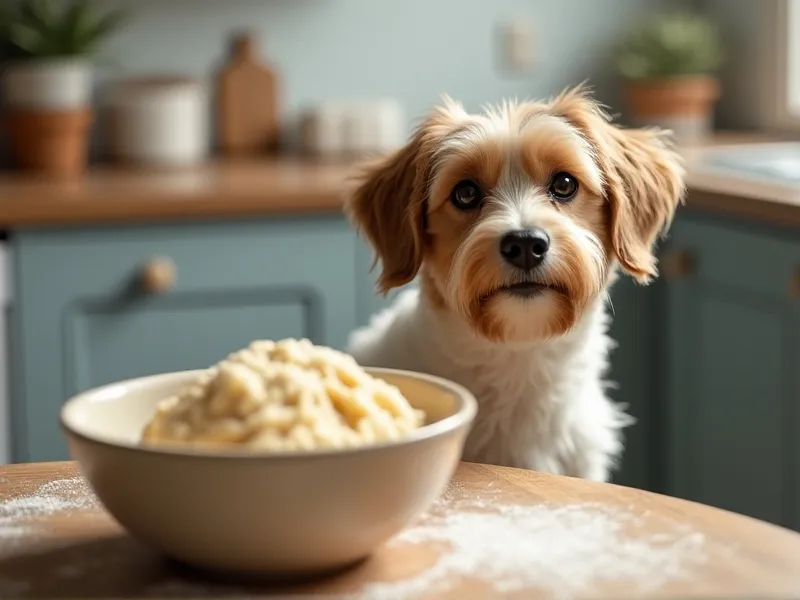
Table of Contents
- Can Dogs Eat Dough? The Short Answer
- Potential “Benefits” of Cooked Dough (If Any)
- The Risks: Why Raw Dough Is a Big No-No
- Other Risks of Dough: Sugar, Additives, and Choking Hazards
- Safe Guidelines: How Much (If Any) Dough Can Dogs Eat?
- Healthier Alternatives to Dough for Dogs
- FAQ: Common Questions About Dogs and Dough
- Conclusion: Prioritize Your Pup’s Safety (and Snacks!)
Can Dogs Eat Dough? The Short Answer
No—raw dough is extremely dangerous for dogs, and even cooked dough should be given sparingly, if at all.
Here’s why: Raw dough (whether bread, pizza, cookie, or pastry) contains live yeast. When ingested, yeast continues to ferment in your dog’s warm stomach, producing alcohol (ethanol) and carbon dioxide gas. This can lead to life-threatening conditions like alcohol poisoning and bloat. Cooked dough, on the other hand, is less risky—but only if it’s plain (no added sugar, salt, spices, or toxic ingredients like chocolate or raisins). Even then, it’s not a nutritional must for your pup.
Potential “Benefits” of Cooked Dough (If Any)
Let’s get this straight: Dough isn’t a health food for dogs. Most commercial or homemade dough is high in carbs and low in the protein, healthy fats, and vitamins dogs need. That said, plain, cooked, whole-grain dough (think: a plain whole-wheat bread roll with no added sugar, salt, or toppings) might offer trace amounts of nutrients. Here’s what to know:
Fiber
Whole-grain dough (like whole-wheat bread dough) contains dietary fiber, which can support digestion by promoting regular bowel movements. However, dogs already get fiber from their balanced dog food, so dough isn’t a necessary source.
B Vitamins and Iron
Whole grains in dough (wheat, oats) have B vitamins (thiamine, niacin) and iron, which help with energy production and red blood cell health. Again, these are already in quality dog food—dough is just a tiny, unnecessary supplement.
Potassium
Some doughs (like those made with bananas or sweet potatoes, though these are rare) might have potassium, which supports heart and muscle function. But again, bananas and sweet potatoes are safer to feed on their own than in dough form.
The bottom line: Any “benefits” of cooked dough are minimal and easily obtained from your dog’s regular diet. Dough should never replace balanced meals or healthy treats.
The Risks: Why Raw Dough Is a Big No-No
Raw dough is hands-down the most dangerous form for dogs. Here’s what happens when your pup snatches a bite:
Yeast Fermentation = Alcohol Poisoning
Yeast thrives in warm, moist environments—like your dog’s stomach. When raw dough is ingested, yeast ferments the sugars in the dough, producing ethanol (alcohol) and carbon dioxide. Even a small amount of raw dough can lead to alcohol poisoning, with symptoms including:
- Lethargy or disorientation
- Vomiting or diarrhea
- Rapid breathing or seizures
- Low body temperature
- Coma (in severe cases)
Alcohol poisoning can be fatal, especially for small dogs or puppies. The ASPCA warns that yeast dough toxicity can progress quickly, so contact your vet immediately if you suspect your dog ate raw dough.
Carbon Dioxide = Bloat (Gastric Dilatation-Volvulus)
The carbon dioxide gas from fermenting yeast can also cause your dog’s stomach to expand, leading to bloat (gastric dilatation-volvulus, or GDV). Bloat is a life-threatening emergency where the stomach twists, cutting off blood flow. Symptoms include:
- A swollen, hard abdomen
- Restlessness or pacing
- Unsuccessful attempts to vomit
- Rapid heartbeat
GDV requires immediate surgery—delaying treatment can be fatal.
Other Risks of Dough: Sugar, Additives, and Choking Hazards
Even if the dough is cooked, it’s rarely “safe” in the way you might think. Most doughs (especially sweet ones like cookie or cinnamon roll dough) are loaded with ingredients that harm dogs:
Sugar Overload
Sugar is empty calories for dogs and linked to obesity, dental disease, and even diabetes. A single bite of cookie dough might have teaspoons of sugar—way more than your dog needs.
Toxic Additives
Many doughs include ingredients that are toxic to dogs, such as:
- Chocolate (in cookie dough): Contains theobromine, which is poisonous to dogs.
- Raisins or grapes (in some bread doughs): Can cause kidney failure.
- Xylitol (a sugar substitute in low-sugar doughs): Extremely toxic, even in small amounts, leading to low blood sugar, seizures, or liver failure.
- Salt, garlic, or onions (in pizza or savory doughs): Excess salt causes sodium ion poisoning; garlic and onions damage red blood cells.
Choking Hazard
Dough—even cooked—is sticky and dense. A large piece can get stuck in your dog’s throat, blocking their airway. Small dogs are especially at risk.
Safe Guidelines: How Much (If Any) Dough Can Dogs Eat?
If you’re dead set on sharing a tiny taste of cooked dough with your pup, follow these strict rules:
Only Cooked, Plain Dough
- No raw dough (yeast is too risky).
- No sweet doughs (cookie, cake, cinnamon roll—sugar and additives are toxic).
- No savory doughs (pizza, garlic bread—salt, garlic, or cheese can upset tummies).
- Stick to plain, unseasoned, cooked dough (e.g., a small piece of plain whole-wheat bread, with no butter, salt, or toppings).
Portion Size = Tiny!
A “taste” is all your dog needs. Examples:
- Small dogs (under 20 lbs): A piece the size of a thumbnail.
- Medium dogs (20–50 lbs): A piece the size of a dime.
- Large dogs (50+ lbs): A piece the size of a quarter.
Rarely, Not Regularly
Dough should be an occasional “splurge,” not a weekly treat. Too much can lead to weight gain or stomach upset.
Healthier Alternatives to Dough
Instead of risking dough, opt for these safe, nutritious snacks your dog will love:
Cooked Sweet Potato
Mashed or cubed, sweet potato is high in fiber, vitamin A, and potassium—way healthier than dough.
Pumpkin Puree (Unsweetened)
A spoonful of plain pumpkin (not pie filling!) aids digestion and is low in calories.
Plain Oatmeal
Cooked oatmeal (no sugar or milk) is a great source of fiber and B vitamins.
Banana Slices
Bananas are naturally sweet, high in potassium, and easy to digest (in moderation).
Commercial Dog Treats
Look for treats with whole grains (oats, brown rice) and no added sugar or artificial ingredients. Brands like Blue Buffalo or Wellness make great options.
FAQ: Common Questions About Dogs and Dough
Q: My dog ate raw dough—what should I do?
A: Call your vet or an emergency animal clinic immediately. Even if your dog seems fine, alcohol poisoning and bloat can develop within 30–60 minutes. Bring the dough’s ingredients list if possible (e.g., “wheat flour, yeast, sugar”).
Q: Can dogs eat cookie dough?
A: No! Cookie dough is loaded with sugar, and often contains chocolate, raisins, or xylitol—all toxic to dogs. Even “plain” cookie dough has yeast (if raw) or excess sugar (if cooked).
Q: Is pizza dough safer than bread dough?
A: No—raw pizza dough still has yeast, leading to the same alcohol poisoning and bloat risks. Cooked pizza dough often has salt, cheese, or garlic, which are also harmful.
Q: Can puppies eat dough?
A: Puppies have smaller stomachs and weaker immune systems, making them more vulnerable to yeast toxicity and choking. Never feed puppies raw dough, and avoid cooked dough entirely.
Conclusion: Prioritize Your Pup’s Safety
Dough might smell tempting, but raw dough is far too risky for dogs—yeast fermentation can lead to life-threatening alcohol poisoning or bloat. Cooked dough, while less dangerous, offers minimal nutrition and often contains harmful additives like sugar or salt.
Instead of sharing dough, reach for safe, healthy treats like sweet potato, pumpkin, or banana. And when in doubt, always consult your vet—they’ll help you make the best choices for your pup’s unique needs.
Your dog’s tail wags just as hard for a banana slice as it does for dough—so keep them happy and healthy!
References
- American Society for the Prevention of Cruelty to Animals (ASPCA). “Toxic and Non-Toxic Plants: Yeast Dough.” aspca.org
- PetMD. “Yeast Dough Poisoning in Dogs.” petmd.com
- VCA Hospitals. “Bloat (Gastric Dilatation-Volvulus) in Dogs.” vcahospitals.com