· 7 min read
Can Dogs Eat Donut Holes? The Sweet Truth Every Pet Parent Needs to Know
Picture this: It’s a lazy Sunday morning. You’re savoring a warm cup of coffee and a box of fresh donut holes—glazed, powdered, maybe even a few jelly-filled. Suddenly, you feel a wet nose nudge your hand. You look down to find your dog, tail wagging, eyes wide and hopeful, as if to say, “Share the love?” It’s a moment many pet parents face: the urge to spoil our furry friends with a tiny taste of our favorite treats. But when it comes to donut holes, is “just one bite” really harmless?
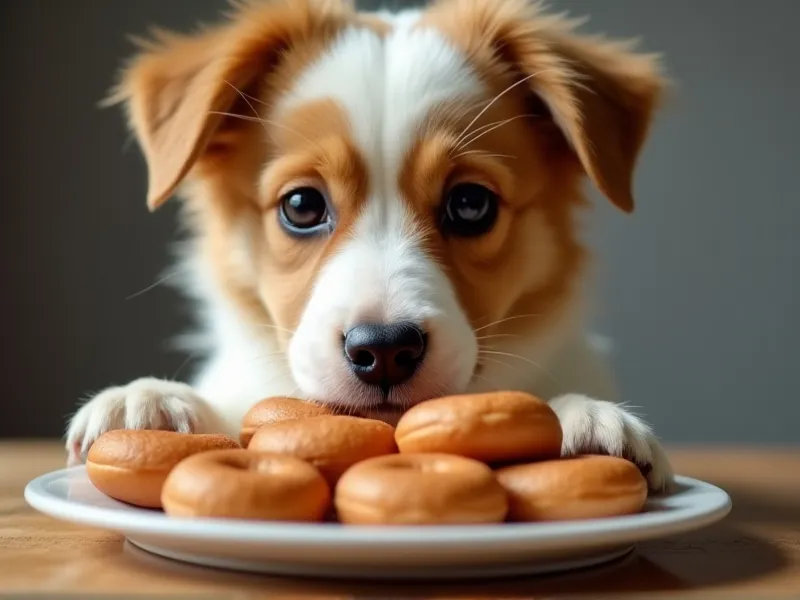
Table of Contents
- Can Dogs Eat Donut Holes? The Short Answer
- What’s Actually in a Donut Hole?
- Potential “Benefits”: Are There Any?
- The Risks: Why Donut Holes Are a Bad Idea for Dogs
- If You Must Share: Guidelines for Safe Feeding
- Healthier Alternatives to Donut Holes
- FAQ: Your Donut Hole Questions, Answered
- Conclusion: Prioritizing Your Dog’s Health Over Cuteness
Can Dogs Eat Donut Holes? The Short Answer
No, dogs should not eat donut holes. While a single tiny bite might not send your pup to the vet, donut holes are packed with ingredients that offer zero nutritional value and pose several health risks. From sugar overload to choking hazards, these bite-sized treats are better left off your dog’s menu. Let’s dig into why.
What’s Actually in a Donut Hole?
To understand why donut holes are risky, let’s break down their typical ingredients. Most commercial donut holes contain:
- Refined flour: Stripped of fiber and nutrients, this is essentially empty calories.
- Sugar: Glaze, sprinkles, powdered sugar, or fillings (like jelly or cream) add massive amounts of sugar—often 5–10 grams per hole.
- Unhealthy fats: Vegetable shortening, palm oil, or butter, which are high in saturated and trans fats.
- Additives: Artificial flavors, colors, and preservatives (some of which may irritate sensitive stomachs).
- Dairy: Cream fillings or milk-based glazes can trigger lactose intolerance in many dogs.
Worst of all? Some “sugar-free” donut holes swap sugar for xylitol—a sugar substitute that’s extremely toxic to dogs, even in small amounts. We’ll dive deeper into xylitol later, but for now, remember: If it says “sugar-free,” assume it’s dangerous unless proven otherwise.
Potential “Benefits”: Are There Any?
Let’s be real: Donut holes aren’t exactly superfoods. The user mentioned “nutrients, fiber, potassium”—but in reality, these treats offer next to none. Here’s why:
- Nutrients: Refined flour has been stripped of vitamins (like B vitamins) and minerals. Any “nutrients” are negligible compared to the sugar and fat.
- Fiber: Unless the donut hole is made with whole grains (which is rare), there’s little to no fiber. Even then, the sugar would outweigh any fiber benefits.
- Potassium: A banana-filled donut hole might have trace potassium, but again—you’d get far more potassium from a plain banana (without the sugar and fat).
In short: There’s no nutritional upside to feeding donut holes. You’re better off giving your dog a small piece of fresh fruit if you want to boost their nutrient intake.
The Risks: Why Donut Holes Are a Bad Idea for Dogs
Now, let’s talk about the real concerns. Donut holes pose several risks to your dog’s health, some more serious than others.
1. Sugar Overload: Obesity, Diabetes, and Pancreatitis
Dogs’ bodies aren’t designed to process large amounts of sugar. Here’s how excess sugar affects them:
- Obesity: Just one glazed donut hole has ~80 calories and 5 grams of sugar. For a 20-pound dog, that’s like a human eating 4–5 cookies in one sitting! Over time, regular treats like this lead to weight gain, which increases the risk of joint pain, heart disease, and diabetes.
- Diabetes: Chronic high sugar intake can disrupt your dog’s insulin regulation, leading to canine diabetes—a lifelong condition requiring daily insulin shots.
- Pancreatitis: Fatty foods (like donut holes) can trigger pancreatitis, an inflammation of the pancreas. Symptoms include vomiting, diarrhea, abdominal pain, and lethargy. Severe cases can be fatal.
The ASPCA warns that “foods high in fat and sugar can cause gastrointestinal upset and pancreatitis in dogs.”
2. Choking Hazard
Donut holes are small, round, and sticky—perfect for getting lodged in a dog’s throat, especially for toy breeds (think Chihuahuas, Yorkies) or dogs who gulp their food. Even larger dogs can choke if they swallow a donut hole whole. If your dog starts gagging, pawing at their mouth, or struggling to breathe, contact your vet immediately.
3. Stomach Upset
Sugar and dairy are common culprits for digestive issues in dogs. Symptoms may include:
- Diarrhea
- Vomiting
- Gas
- Bloating
Lactose-intolerant dogs (which is most adult dogs) lack the enzyme lactase to break down dairy, so cream fillings or milk glazes can lead to painful stomach cramps.
4. Xylitol Toxicity: A Life-Threatening Risk
We can’t stress this enough: Xylitol is toxic to dogs. Found in some sugar-free donut holes, gum, and candy, xylitol causes a rapid release of insulin in dogs, leading to life-threatening hypoglycemia (low blood sugar). Symptoms include:
- Vomiting
- Loss of coordination
- Seizures
- Liver failure (in severe cases)
Even a small amount—like a single sugar-free donut hole—can be deadly. If you suspect your dog ate xylitol, call your vet or the ASPCA Animal Poison Control Center (APCC) at (888) 426-4435 immediately.
If You Must Share: Guidelines for Safe Feeding
Ideally, you should avoid giving donut holes to your dog altogether. But if you’re in a weak moment (we’ve all been there), follow these strict rules:
- Size matters: Offer only a tiny crumb (the size of a pea) to large dogs, or a speck to small dogs. No whole holes!
- Check ingredients first: Avoid anything with xylitol, dairy, or artificial additives. Glazed or powdered is slightly “safer” than filled, but still not good.
- No repeats: This should be a one-time (very rare) treat, not a regular occurrence.
- Monitor for reactions: Watch for vomiting, diarrhea, lethargy, or hyperactivity (from sugar) for 24 hours. If you see any of these, contact your vet.
Healthier Alternatives to Donut Holes
Instead of risking donut holes, treat your pup to these safe, tasty alternatives. They’re low in sugar, high in nutrients, and dogs love them:
1. Carrot Sticks
- Why it’s great: Crunchy, low-calorie, and packed with beta-carotene (good for eyesight) and fiber.
- Tip: Freeze them for a cool summer snack!
2. Apple Slices (No Seeds!)
- Why it’s great: Sweet, crunchy, and full of fiber and vitamin C. Remove seeds (they contain small amounts of cyanide, which is toxic in large doses).
3. Plain Rice Cakes
- Why it’s great: Low in calories and sugar, with a satisfying crunch. Top with a tiny bit of peanut butter (no xylitol!) for extra flavor.
4. Frozen Banana Bites
- Why it’s great: Naturally sweet, high in potassium, and soothing for teething puppies. Slice a banana, freeze, and serve.
5. Cooked Sweet Potato (Plain)
- Why it’s great: Rich in fiber, vitamins A and C, and antioxidants. Bake or boil, mash, and serve a spoonful as a treat.
FAQ: Your Donut Hole Questions, Answered
Q: My dog stole a whole donut hole! Should I panic?
A: Take a deep breath. One donut hole is unlikely to be fatal (unless it has xylitol). Monitor your dog for 24 hours for vomiting, diarrhea, or lethargy. If they ate a sugar-free donut hole, call your vet immediately—xylitol toxicity can set in within 10–60 minutes.
Q: Can dogs have glazed donut holes?
A: Glazed donut holes are high in sugar and empty calories, but not toxic (unless they have xylitol). Still, it’s best to avoid them. A tiny crumb won’t hurt, but a whole one could cause stomach upset.
Q: Are “whole grain” donut holes safer?
A: Slightly better, but not safe. Whole grain flour adds a bit of fiber, but the sugar and fat still make them a poor choice.
Q: My dog is begging—how do I say “no” without feeling guilty?
A: Offer a healthy alternative instead! Dogs don’t care if the treat is “human food”—they just want your attention. A carrot stick or a game of fetch will make them just as happy.
Conclusion: Prioritizing Your Dog’s Health Over Cuteness
It’s hard to resist those puppy-dog eyes when you’re munching on donut holes. But remember: Your dog’s health depends on you making smart choices. Donut holes offer no benefits and plenty of risks—from sugar crashes to life-threatening xylitol poisoning.
Instead of sharing your treats, opt for safe alternatives like carrots, apples, or frozen banana bites. Your dog will love the attention, and you’ll rest easy knowing you’re keeping them healthy.
When in doubt, always consult your vet before introducing new foods. They know your dog’s unique needs (like allergies or health conditions) and can guide you toward the best treats.
Here’s to many happy, healthy years with your pup—minus the donut holes!
References
- American Society for the Prevention of Cruelty to Animals (ASPCA). “Xylitol Toxicity in Dogs.” aspca.org
- VCA Hospitals. “Obesity in Dogs.” vcahospitals.com
- PetMD. “Lactose Intolerance in Dogs.” petmd.com
- American Kennel Club (AKC). “Human Foods Dogs Can and Can’t Eat.” akc.org