· 7 min read
Can Dogs Eat Dill? The Complete Guide for Pet Parents
Picture this: You’re chopping fresh dill for your salmon recipe, and your dog—ever the curious kitchen companion—stares up at you with those big, pleading eyes. “Just a tiny sprinkle?” they seem to ask. It’s a common scenario for pet parents: we want to share our meals, but we also need to keep our pups safe. So, can dogs eat dill? Let’s cut through the confusion and get to the facts.
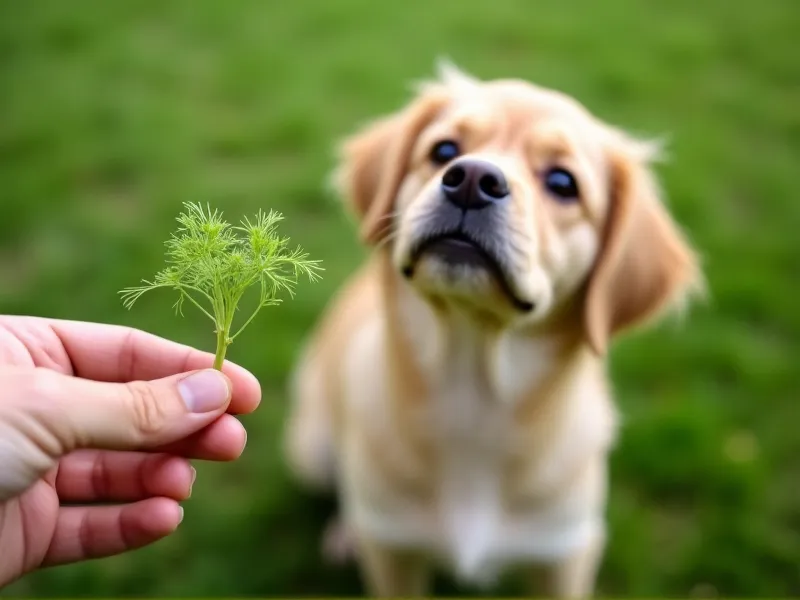
Table of Contents
- Can Dogs Eat Dill? The Short Answer
- The Benefits of Dill for Dogs: What Makes It a Healthy Treat?
- Potential Risks: When Dill Might Be a Problem
- How Much Dill Can Dogs Safely Eat? Guidelines by Size
- Healthier Alternatives to Dill for Dogs
- FAQ: Your Dill Questions Answered
- Conclusion: Dill in Moderation, Always Consult Your Vet
Can Dogs Eat Dill? The Short Answer
Yes, dogs can eat dill—in moderation. Dill (Anethum graveolens) is a non-toxic herb for dogs, according to the ASPCA’s toxic and non-toxic plants database. It’s low in calories, packed with nutrients, and can even offer some health perks when fed plain and fresh.
But here’s the catch: Like any human food, dill should never replace your dog’s balanced, species-appropriate diet. Think of it as a treat, not a meal. And there are a few caveats (more on that later!)—especially when it comes to dill-flavored products like pickles or chips, which can be harmful.
The Benefits of Dill for Dogs: What Makes It a Healthy Treat?
Dill isn’t just a flavorful herb for humans—it’s also a nutrient-dense snack for dogs. Let’s break down its key benefits:
1. Rich in Essential Vitamins
Fresh dill is a great source of vitamins that support your dog’s overall health:
- Vitamin A: Important for vision, immune function, and healthy skin/coat. A 1-cup serving of fresh dill contains about 47% of the daily recommended vitamin A for humans (and dogs need it too!).
- Vitamin C: An antioxidant that boosts immunity and helps fight inflammation. While dogs produce some vitamin C on their own, extra from food can support aging pups or those under stress.
2. Fiber for Digestive Health
Dill is high in dietary fiber, which aids digestion by promoting regular bowel movements and supporting a healthy gut microbiome. A little fiber can help dogs with occasional constipation, though too much (we’ll cover that!) can backfire.
3. Potassium for Heart and Muscle Function
Potassium is an electrolyte that helps regulate heart rate, muscle contractions, and fluid balance. Dill contains small amounts of potassium, which works with sodium to keep your dog’s heart and muscles functioning smoothly.
4. Antioxidants to Fight Free Radicals
Dill contains antioxidants like flavonoids and monoterpenes, which combat free radicals (unstable molecules that damage cells). Over time, this may lower the risk of chronic diseases and support longevity.
5. A Low-Calorie, Low-Sugar Option
Unlike many dog treats (looking at you, store-bought biscuits!), dill is low in calories (just 4 calories per cup!) and has almost no sugar. It’s a guilt-free way to add flavor to your dog’s meals without packing on extra pounds.
Potential Risks: When Dill Might Be a Problem
While plain, fresh dill is safe, there are scenarios where it could cause issues. Let’s unpack the risks:
1. Stomach Upset from Overconsumption
Dill is high in fiber, and too much fiber can lead to digestive upset in dogs—think diarrhea, gas, or bloating. Even small dogs can react to large portions, so moderation is key.
2. Dill-Flavored Products: A Hidden Danger
Here’s where pet parents often go wrong: dill-flavored foods (like pickles, chips, or sauces) are NOT the same as plain dill. These products often contain:
- Salt: Excess sodium is toxic to dogs and can cause sodium ion poisoning, leading to vomiting, diarrhea, seizures, or even death. A single dill pickle can have 300–500 mg of sodium—way more than a small dog’s daily limit (which is around 100 mg for a 10-lb pup).
- Vinegar: Pickles are soaked in vinegar, which is highly acidic and can irritate a dog’s stomach, causing nausea or vomiting.
- Sugar or Artificial Additives: Some dill-flavored snacks have added sugar, garlic, or onion (both toxic to dogs!).
3. Dried Dill: More Concentrated, More Risk
Dried dill is more potent than fresh, so the “moderation” rule doubles here. A little goes a long way—too much dried dill can overwhelm your dog’s senses or lead to the same stomach issues as excess fresh dill.
4. Allergic Reactions (Rare, but Possible)
While rare, some dogs may be allergic to dill. Signs of an allergic reaction include itching, hives, swelling (especially around the face), or difficulty breathing. If you notice these, contact your vet immediately.
How Much Dill Can Dogs Safely Eat? Guidelines by Size
So, how much dill is “moderation”? It depends on your dog’s size. Here’s a general rule of thumb:
| Dog Size | Fresh Dill (Occasional Treat) | Dried Dill (Even More Occasional!) |
|---|---|---|
| Small (5–20 lbs) | 1–2 teaspoons | ¼–½ teaspoon |
| Medium (20–50 lbs) | 1–2 tablespoons | ½–1 teaspoon |
| Large (50+ lbs) | 2–3 tablespoons | 1–1.5 teaspoons |
Pro Tip: Always introduce dill slowly. Start with a tiny amount (e.g., a pinch for small dogs) and watch for 24 hours. If there’s no vomiting, diarrhea, or discomfort, you can gradually increase the portion (within the guidelines above).
Healthier Alternatives to Dill for Dogs
If dill isn’t your dog’s favorite, or you want to mix up their treats, these herbs and veggies are also safe and nutritious:
1. Parsley
Parsley is a dog-safe herb rich in vitamins A, C, and K. It even freshens breath! Just avoid curly parsley in large amounts (it has small amounts of oxalates, which can be harmful in excess).
2. Basil
Basil is packed with antioxidants and has anti-inflammatory properties. Sprinkle a little on your dog’s food for a fresh flavor boost.
3. Carrots
Crunchy, low-calorie, and high in fiber, carrots are a classic dog favorite. They’re great for dental health too!
4. Blueberries
These tiny fruits are loaded with antioxidants and vitamin C. They make a perfect frozen treat for hot days.
5. Pumpkin (Plain, Canned)
Plain, unsweetened pumpkin is a fiber powerhouse that soothes upset stomachs. It’s great for dogs with diarrhea or constipation.
FAQ: Your Dill Questions Answered
Q: Can dogs eat dill pickles?
A: No! Dill pickles are high in salt, vinegar, and sometimes garlic/onion—all of which are harmful to dogs. Stick to plain dill only.
Q: Is dried dill safe for dogs?
A: Yes, but in very small amounts. Dried dill is more concentrated, so even a teaspoon can be too much for a small dog. Use it as a rare garnish, not a regular treat.
Q: My dog ate a lot of dill—should I worry?
A: If your dog snuck a large handful of fresh dill, monitor them for 24 hours. Signs of trouble include vomiting, diarrhea, or bloating. If these persist, call your vet. For dried dill or dill pickles, contact your vet immediately (due to salt/vinegar risks).
Q: Can puppies eat dill?
A: Yes, but puppies have sensitive stomachs. Start with a tiny amount (e.g., ¼ teaspoon for a small breed puppy) and introduce slowly. Always consult your vet before giving new foods to puppies.
Q: Are there any dogs who shouldn’t eat dill?
A: Dogs with kidney disease should avoid dill (and other high-potassium foods) unless approved by a vet. Dogs on low-sodium diets should also skip dill, as it has trace amounts of sodium.
Conclusion: Dill in Moderation, Always Consult Your Vet
Dill is a safe, healthy treat for dogs when fed plain, fresh, and in small amounts. It offers vitamins, fiber, and antioxidants—all without the added sugars or calories of processed treats. But remember: It’s never a replacement for a balanced dog food diet.
If you’re unsure whether dill is right for your pup (especially if they have health issues), always check with your vet first. And when in doubt, stick to dog-specific treats—they’re formulated to meet your dog’s unique nutritional needs.
Here’s to happy, healthy snacking with your furry friend! 🐾
References
- American Society for the Prevention of Cruelty to Animals (ASPCA). Toxic and Non-Toxic Plants: Dill. aspca.org
- American Kennel Club (AKC). Can Dogs Eat Herbs? Which Are Safe, and Which Are Toxic. akc.org
- PetMD. Human Foods Dogs Can and Can’t Eat. petmd.com
- Cummings School of Veterinary Medicine at Tufts University. Herbs and Spices: Safe for Pets? tuftscvm.org