· 7 min read
Can Dogs Eat Delectables Squeeze Up for Cats? A Pet Parent’s Guide
Picture this: You’re cozied up on the couch, tube of Delectables Squeeze Up in hand, ready to spoil your cat with their favorite creamy treat. But before you can even squeeze a dollop onto their paw, your dog—ever the opportunist—plops down beside you, tail wagging, nose twitching, and those “please, just a tiny bite?” eyes locked on the treat. Sound familiar?
As pet parents, we’ve all been there. We want to share the love (and the snacks!), but when it comes to cross-species treats, the stakes feel higher. After all, what’s safe for Fluffy might not be so great for Fido. So, can dogs eat Delectables Squeeze Up for cats? Let’s dive into the details to keep your pup happy, healthy, and out of tummy trouble.
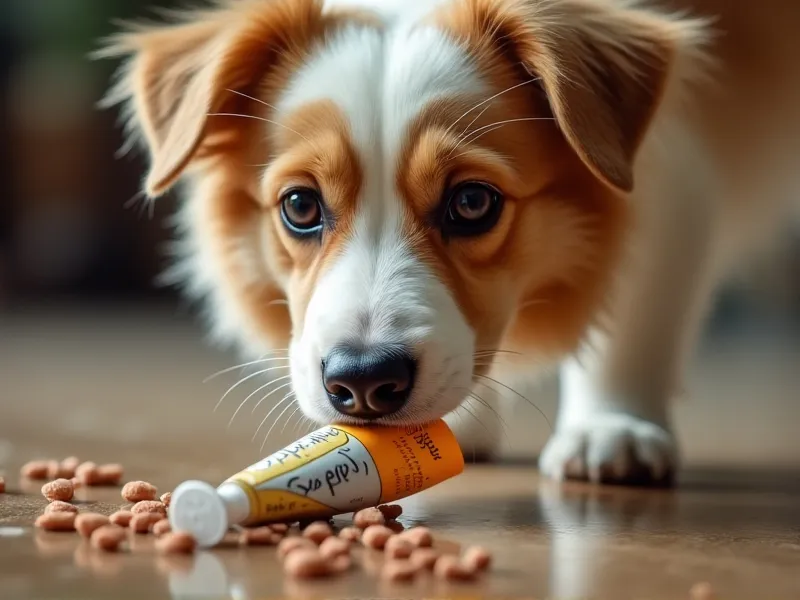
Table of Contents
- The Short Answer: Should Dogs Eat Delectables Squeeze Up for Cats?
- Potential “Benefits” (Spoiler: They’re Minimal)
- The Risks: Why Cat Treats Might Harm Your Dog
- If You Must Share: Guidelines for Safe Feeding
- Healthier Alternatives for Your Dog
- FAQ: Common Questions Pet Parents Ask
- Conclusion: Love Them Well—Stick to Dog-Safe Treats
1. The Short Answer: Should Dogs Eat Delectables Squeeze Up for Cats?
Let’s cut to the chase: Delectables Squeeze Up is formulated specifically for cats, not dogs. While a tiny, occasional taste is unlikely to harm most healthy dogs, it’s not a treat we recommend making a regular habit.
Here’s why: Cats and dogs have vastly different nutritional needs. Cats are obligate carnivores (they need meat to survive), while dogs are omnivores (they thrive on a mix of protein, veggies, and grains). Delectables Squeeze Up is designed to meet a cat’s unique requirements—like high protein, taurine (an amino acid cats can’t produce on their own), and a texture that appeals to feline taste buds. For dogs, it’s nutritionally unbalanced and may contain ingredients that cause issues over time.
2. Potential “Benefits” (Spoiler: They’re Minimal)
At first glance, you might think, “But it’s just meaty goop—how bad can it be?” Let’s break down a few possible upsides, though we’ll be clear: These are minor and not worth the risks.
Nutrients Like Taurine (But Dogs Don’t Need It)
Delectables Squeeze Up often lists taurine as an ingredient, which is critical for cats (it supports heart and eye health). Dogs, however, naturally produce taurine in their bodies, so they don’t need it added to their diet. Your dog won’t benefit from this nutrient here.
Fiber for Digestion
Some varieties include ingredients like rice or sweet potatoes, which add fiber. Fiber can help with digestion, but dogs get plenty from their regular dog food (look for brands with whole grains or pumpkin). Squeeze Up isn’t a reliable or necessary source.
Potassium from Veggies
A few flavors (like “Chicken & Vegetable”) might include veggies like carrots or spinach, which contain potassium—a mineral that supports muscle and nerve function. Again, your dog’s balanced dog food already has potassium, so this is redundant.
3. The Risks: Why Cat Treats Might Harm Your Dog
Now, let’s talk about the real concerns. Even small amounts of Delectables Squeeze Up can pose risks to dogs, especially if fed regularly.
Risk #1: Added Sugar (A Big No-No for Dogs)
Check the label: Many Delectables flavors contain added sugars (like sucrose or corn syrup) to make them more appealing to cats. Dogs have no biological need for sugar, and excess can lead to:
- Obesity (extra calories add up fast!)
- Dental decay (sugar feeds harmful bacteria in their mouths)
- Pancreatitis (in severe cases, high sugar/fat can trigger this painful inflammation).
Risk #2: Stomach Upset (Diarrhea, Vomiting, or Gas)
Cats and dogs have different digestive systems, and ingredients that agree with Fluffy might wreak havoc on Fido. Common culprits include:
- Novel proteins: If your dog isn’t used to, say, “salmon” or “liver” (common in cat treats), it could trigger an allergic reaction or food sensitivity.
- Thick texture: The creamy, sticky consistency might slow digestion, leading to bloating or constipation, especially in small dogs.
Risk #3: Choking Hazard
Squeeze Up is thick and sticky—think toothpaste, but meat-flavored. If your dog gobbles it down without chewing (and let’s be real, most dogs do!), it could get stuck in their throat, especially if they’re a small breed (like a Chihuahua or Yorkie) or a puppy with a tiny airway.
Risk #4: Empty Calories = Weight Gain
A single tube of Delectables Squeeze Up has about 20–30 calories. That might not sound like much, but if you’re sharing a tube a week (or more), those calories add up. Over time, this can lead to obesity, which increases the risk of diabetes, joint pain, and heart disease in dogs.
4. If You Must Share: Guidelines for Safe Feeding
We get it: Sometimes your dog’s begging is impossible to resist. If you absolutely, positively need to give them a tiny taste, follow these rules to minimize risk:
Stick to “A Pea-Sized Bite”
- Small dogs (under 20 lbs): No more than a pea-sized portion (about ¼ teaspoon).
- Medium/large dogs (20+ lbs): A teaspoon at most.
- Puppies, seniors, or dogs with health issues: Skip it entirely—their tummies are more sensitive.
Only “Occasionally” (Like, Once a Month)
Even a tiny bite shouldn’t be a weekly habit. Think of it as a “once in a blue moon” treat, not a regular reward.
Avoid High-Sugar Flavors
Check the label for “sugar,” “corn syrup,” or “molasses.” Opt for plain meat flavors (like “Chicken”) over “sweet” ones (like “Chicken & Honey”) to reduce sugar intake.
Watch for Reactions
After feeding, monitor your dog for 24 hours. Signs of trouble include:
- Vomiting or diarrhea
- Lethargy or loss of appetite
- Excessive gas or bloating
If you see any of these, contact your vet.
5. Healthier Alternatives for Your Dog
Instead of risking cat treats, treat your dog to something designed for them. Here are our top picks:
Dog-Specific Squeeze Treats
Brands like Kong Easy Treat or Zuke’s Power Bones Squeeze make creamy, dog-safe versions with ingredients like peanut butter, chicken, or pumpkin. They’re low in sugar, high in protein, and formulated to be gentle on dog tummies.
Plain Cooked Meat
A small cube of boiled chicken, turkey, or lean beef is a protein-packed, zero-risk treat. Dogs go crazy for it, and it’s free of additives.
Veggies (Yes, Dogs Love Them!)
Carrot sticks, green beans, or cucumber slices are low-calorie, crunchy, and full of fiber. Most dogs adore them—plus, they help clean teeth!
Pumpkin Puree (Unsweetened)
A spoonful of plain, canned pumpkin (not pie filling!) is great for digestion and a hit with dogs. Freeze it in ice cube trays for a cool summer treat.
6. FAQ: Common Questions Pet Parents Ask
Q: My dog ate a whole tube of Delectables Squeeze Up! What should I do?
A: Don’t panic, but monitor them closely. A full tube might cause an upset stomach (vomiting/diarrhea) due to sugar or novel proteins. If your dog is small, elderly, or has health issues (like diabetes), call your vet immediately—they may need to induce vomiting or check for blockages.
Q: Are there any cat treats that are safe for dogs?
A: In general, no. Cat treats are higher in protein, fat, and calories than dog treats, and many contain ingredients (like onion powder or excessive taurine) that can harm dogs. Stick to dog-specific treats to be safe.
Q: Can puppies have Delectables Squeeze Up?
A: Puppies have developing immune and digestive systems, so they’re more sensitive to new foods. Even a tiny bite could cause diarrhea. Skip it—opt for puppy-safe treats like freeze-dried liver instead.
7. Conclusion: Love Them Well—Stick to Dog-Safe Treats
At the end of the day, sharing a treat with your dog is about love. But the best way to show that love is by keeping them safe. Delectables Squeeze Up might make your cat purr, but for your dog, it’s a risk not worth taking.
Instead, reach for dog-specific treats that meet their nutritional needs. Your pup will wag just as hard for a Kong squeeze treat or a carrot stick—and you’ll have peace of mind knowing you’re keeping them healthy.
When in doubt, always consult your vet. They know your dog’s unique health history and can recommend the best treats for their needs.
Here’s to many happy, healthy snack times ahead—for both you and your furry friend!
Sources:
- American Veterinary Medical Association (AVMA). “Nutrition: What’s the Difference Between Cat and Dog Food?”
- ASPCA. “People Foods to Avoid Feeding Your Pets.”
- Tufts Cummings School of Veterinary Medicine. “Taurine Deficiency in Dogs: What You Need to Know.”
- PetMD. “Sugar and Dogs: Risks of Excess Sugar in Pet Diets.”