· 10 min read
Can Dogs Eat Deer Poop? The Surprising Truth Every Pet Parent Should Know
Picture this: You’re strolling through a sun-dappled forest trail with your pup, their tail wagging as they explore every scent. Suddenly, they freeze, nose to the ground, and before you can say “leave it,” they’ve snatched up something brown and squishy. You cringe—yep, that’s deer poop. If you’re a dog parent, this scenario might feel all too familiar. But amid the gross-out factor, you can’t help but wonder: Is deer poop actually harmful to dogs? Or is it just a harmless (if revolting) quirk of their curious nature?
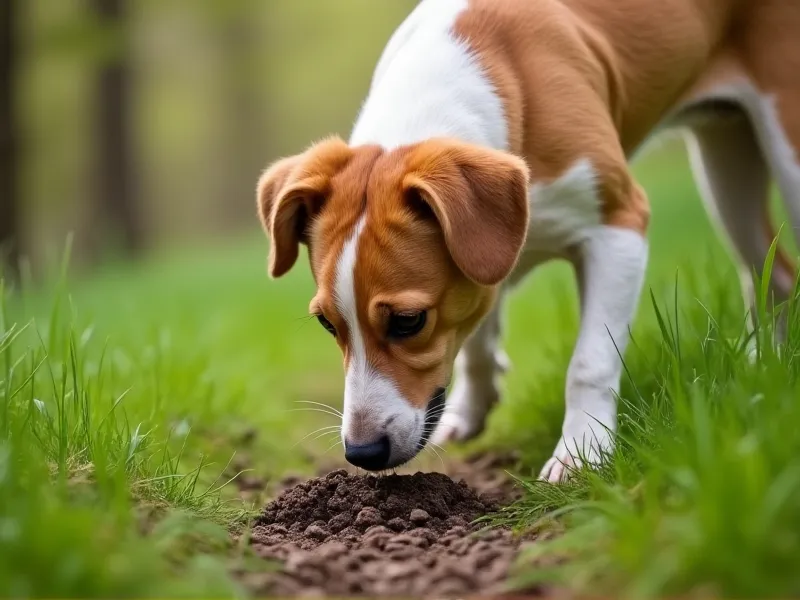
Table of Contents
- Can Dogs Eat Deer Poop? The Short Answer
- Why Do Dogs Love Deer Poop So Much? (The Science of Coprophagia)
- Potential “Benefits” of Deer Poop for Dogs: Separating Fact from Fiction
- The Risks of Dogs Eating Deer Poop: What Pet Parents Need to Know
- How Much Deer Poop Is Safe for Dogs? (Hint: Probably None Intentionally)
- Healthier Alternatives to Satisfy Your Dog’s Urge to Forage
- FAQ: Your Most Pressing Questions Answered
- Conclusion: Keep Your Pup Safe (and Your Trail Walks Less Gross)
Can Dogs Eat Deer Poop? The Short Answer
Let’s cut to the chase: Dogs can technically eat deer poop without dropping dead on the spot, but that doesn’t mean it’s safe, healthy, or something you should allow. Think of it like junk food for dogs—tempting, but packed with hidden risks that far outweigh any minor “benefits.” While deer poop is mostly made of undigested plant matter (grass, leaves, berries, seeds), it can harbor parasites, toxins, or bacteria that spell trouble for your pup. So, while a accidental nibble might not cause an emergency, regular snacking? Definitely not a good idea.
Why Do Dogs Love Deer Poop So Much? (The Science of Coprophagia)
First, let’s get one thing straight: Your dog isn’t gross—they’re just being a dog. The fancy term for eating poop is coprophagia, and it’s surprisingly common in canines. But why deer poop, specifically?
Deer feces (also called “scat”) is often soft, moist, and full of aromatic plant compounds—thanks to a deer’s herbivorous diet. To your dog’s super-sensitive nose, that pile of scat might smell like a gourmet meal. Here are a few reasons they can’t resist:
- Evolutionary Instinct: Wild canids (like wolves) sometimes eat the poop of herbivores to gain extra nutrients or to clean their dens. Your pup’s ancestors might have relied on this behavior to survive, and the instinct lingers.
- Nutritional Curiosity: If your dog’s diet is lacking in fiber or certain minerals, they might seek out deer poop (which is high in plant fiber) as a “supplement.”
- Boredom or Anxiety: Some dogs turn to coprophagia as a coping mechanism. If they’re understimulated or stressed, eating poop might provide a temporary distraction.
- Scent Appeal: Let’s face it—deer poop smells interesting to dogs. It’s a new scent in their environment, and they want to investigate (by tasting, of course).
Potential “Benefits” of Deer Poop for Dogs: Separating Fact from Fiction
You might be thinking, “If deer eat plants, their poop must be full of good stuff, right?” It’s true—deer scat contains some nutrients, but let’s be real: The “benefits” are minimal, and they’re way overshadowed by the risks. Here’s what might be in that pile of scat:
Fiber: A Little Goes a Long Way
Deer poop is mostly undigested grass, leaves, and twigs—so it’s high in fiber. Fiber is essential for dogs’ digestion, helping keep their bowels regular. But your dog doesn’t need to scavenge for it: Most high-quality dog foods already contain fiber (from sources like beet pulp or oats), and adding a spoonful of plain pumpkin or steamed green beans is a much safer way to boost their intake.
Potassium: A Trace Mineral
Deer scat also has small amounts of potassium, an electrolyte that supports heart and muscle function. But again, your dog gets plenty of potassium from their regular diet (think: bananas, sweet potatoes, or commercial dog food). No need to risk parasites for a tiny potassium boost!
“Natural” Nutrients
Deer eat a variety of plants, berries, and even mushrooms—so their poop might contain trace vitamins (like vitamin A or C) from those foods. But here’s the catch: Those nutrients are already broken down by the deer’s digestive system, so your dog isn’t absorbing much. Plus, some of those plants could be toxic (more on that later).
The Risks of Dogs Eating Deer Poop: What Pet Parents Need to Know
Now, let’s talk about the real reason to stop your dog from snacking on deer scat: the risks. Even if it smells “natural,” deer poop can hide some serious dangers.
1. Stomach Upset (Vomiting, Diarrhea, or Gas)
Deer poop is full of bacteria from a deer’s gut, which might not agree with your dog’s digestive system. Eating a pile of scat can lead to:
- Nausea or vomiting
- Loose stools or diarrhea (sometimes with mucus or blood)
- Bloating or gas
Mild cases might resolve on their own, but severe diarrhea can lead to dehydration—especially in small dogs or puppies.
2. Sugar Spikes from Fermented Foods
Deer love munching on berries, apples, or other fruits—especially in fall. If those fruits ferment in the deer’s gut, their poop can become high in sugar and alcohol (yes, really!). For dogs, this can cause:
- Hyperactivity or disorientation
- Stomach cramps
- In rare cases, alcohol poisoning (though this is more likely with rotting fruit, not just poop).
3. Choking Hazards
Deer poop sometimes contains undigested seeds, twigs, or even small stones. These hard particles can get stuck in your dog’s throat, causing choking, or in their intestines, leading to a blockage (which can be life-threatening and require surgery).
4. Parasites: The Big One
This is the scariest risk. Deer can carry parasites like:
- Roundworms: These worms lay eggs in deer poop. If your dog eats the eggs, they can hatch in their intestines and cause vomiting, diarrhea, or weight loss.
- Giardia: A microscopic parasite that causes “beaver fever” (a severe gastrointestinal infection). Symptoms include watery diarrhea, lethargy, and loss of appetite.
- Ticks: Deer are known carriers of ticks, which can hitch a ride on scat. If your dog sniffs or eats the poop, they might pick up a tick (and the diseases it carries, like Lyme disease).
Even if the deer looks healthy, it could be shedding parasite eggs in its poop. And once your dog is infected, those parasites can spread to other pets or even humans (especially kids).
5. Toxic Plants or Chemicals
Deer aren’t picky eaters—they’ll munch on toxic plants like rhubarb leaves, nightshade, or oleander if they’re available. Those toxins can pass through their digestive system and end up in their poop. If your dog eats that scat, they could ingest the toxins, leading to symptoms like drooling, tremors, or even organ failure.
Deer scat can also contain pesticides or herbicides if the deer grazed on treated plants. These chemicals are harmful to dogs, even in small amounts.
How Much Deer Poop Is Safe for Dogs? (Hint: Probably None Intentionally)
The short answer: There’s no “safe” amount to feed your dog intentionally. Even a small bite now and then isn’t ideal, but accidental ingestion of a tiny piece? Probably not a big deal.
If your dog snatches a quick nibble during a walk, monitor them for 24–48 hours. Watch for signs of stomach upset (vomiting, diarrhea), lethargy, or loss of appetite. If they seem fine, they’re likely okay.
But if they’re seeking out deer poop (e.g., they drag you toward every pile on the trail), that’s a red flag. Regular eating can lead to parasite infestations, nutrient imbalances, or chronic digestive issues. In that case, it’s time to step in:
- Train the “Leave It” Command: This is your best defense. Practice “leave it” with treats at home, then use it when you spot deer scat on walks.
- Keep Them Leashed: If you’re in an area with lots of deer poop (like a forest or park), keep your dog on a leash to prevent snacking.
- Check Their Diet: Talk to your vet to ensure their food has enough fiber, vitamins, and minerals. A balanced diet might reduce their urge to scavenge.
Healthier Alternatives to Deer Poop
If your dog is obsessed with deer poop for its fiber or nutrients, give them these safe alternatives instead. They’ll get the benefits without the gross (and risky) side effects:
For Fiber:
- Plain Pumpkin Puree: 1–2 tablespoons (depending on your dog’s size) of unsweetened, canned pumpkin is a fiber superstar. It’s great for digestion and tastes like a treat!
- Steamed Green Beans: Low in calories and high in fiber, green beans make a crunchy snack. Just avoid canned beans (they’re high in salt).
- Chia Seeds: A tiny sprinkle (1/4 teaspoon for small dogs, 1/2 teaspoon for large dogs) added to their food boosts fiber and omega-3s.
For Nutrients (Potassium, Vitamins):
- Bananas: A slice of banana is packed with potassium and natural sugars (in moderation, of course).
- Sweet Potatoes: Steamed or baked sweet potato (no added butter or sugar) is rich in vitamins A, C, and fiber.
- Blueberries: These little berries are full of antioxidants and vitamins—plus, they’re low in calories.
For Mental Stimulation (to Beat Boredom):
- Puzzle Toys: Stuff a Kong with peanut butter (xylitol-free!) or plain yogurt to keep them busy.
- Interactive Walks: Add training sessions or scent games to your walks to tire them out mentally.
FAQ: Your Most Pressing Questions Answered
Q: My dog ate deer poop—should I induce vomiting?
A: Probably not. Inducing vomiting can be dangerous unless your vet tells you to (e.g., if they ate a toxic substance). Most cases of deer poop ingestion don’t require emergency intervention. Just monitor them for symptoms and call your vet if they seem sick.
Q: Is deer poop safer than cat poop or cow poop?
A: Cat poop is way riskier (it can contain toxoplasmosis, a parasite harmful to humans and dogs). Cow poop is similar to deer poop—high in fiber but can carry parasites like E. coli. None are “safe,” but deer poop isn’t inherently better than others.
Q: Why does my dog only eat deer poop, not other poop?
A: It’s all about scent! Deer poop has a unique aroma (thanks to their plant-based diet) that your dog finds irresistible. Some dogs are pickier than others—yours might just have a “preference.”
Q: Can deer poop give my dog worms?
A: Yes. Deer can carry roundworms, tapeworms, and giardia, which can infect your dog if they eat the scat. Regular deworming (as recommended by your vet) can help prevent this, but it’s not a guarantee.
Conclusion: Keep Your Pup Safe (and Your Trail Walks Less Gross)
At the end of the day, deer poop is a common temptation for dogs—but that doesn’t make it safe. While a tiny accidental bite might not hurt, regular snacking can lead to parasites, stomach issues, or worse. The next time your dog lunges for that pile of scat, remember: You’re not being a buzzkill—you’re protecting their health.
Stick to the “leave it” command, keep their diet balanced, and offer safe alternatives like pumpkin or sweet potatoes. And if you’re ever worried about their behavior (or they start showing symptoms after eating poop), don’t hesitate to call your vet. They’re the best resource for keeping your curious pup happy and healthy.
Happy trails—and may your walks be scat-free!
References
- American Society for the Prevention of Cruelty to Animals (ASPCA). “Coprophagia in Dogs.” aspca.org
- VCA Hospitals. “Why Do Dogs Eat Poop?” vcahospitals.com
- PetMD. “Deer Feces and Your Dog: Risks and Prevention.” petmd.com
- Centers for Disease Control and Prevention (CDC). “Parasites and Pets.” cdc.gov
- The Merck Veterinary Manual. “Coprophagia in Dogs.” merckvetmanual.com