· 8 min read
Can Dogs Eat Deer Meat Raw? Benefits, Risks, and Guidelines for Pet Parents
Picture this: You’re hiking through the woods with your furry sidekick, Max, when suddenly he freezes. His nose twitches, ears perk up, and he locks onto something in the underbrush—a leftover scrap of deer meat, maybe from a hunter’s discard or a natural carcass. Max’s tail wags furiously, and he gives you that “please, just a bite!” look. Panic sets in: Is this safe? Can dogs eat raw deer meat?
If you’ve ever found yourself in a similar situation, you’re not alone. Deer meat (venison) is a lean, protein-rich food, and many pet parents wonder if it’s a healthy addition to their dog’s diet—especially in its raw form, which some believe is more “natural” for canines. But before you let Max chow down, it’s critical to weigh the potential benefits against the risks.
In this guide, we’ll answer the big question: Can dogs eat raw deer meat? We’ll break down the pros and cons, share safe feeding guidelines, and even suggest healthier alternatives. Let’s dive in!
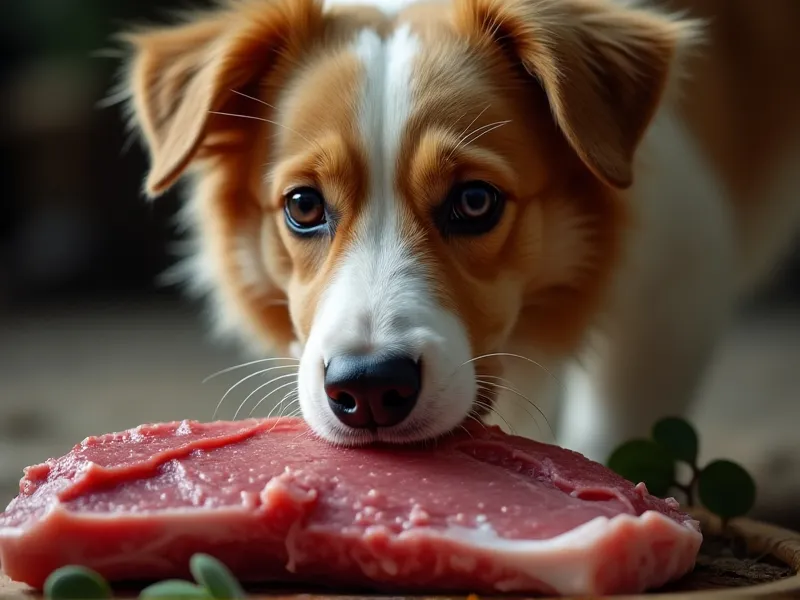
Table of Contents
- Can Dogs Eat Raw Deer Meat? The Short Answer
- Benefits of Raw Deer Meat for Dogs
- Risks of Feeding Raw Deer Meat to Dogs
- How Much Raw Deer Meat Is Safe for Dogs?
- Healthier Alternatives to Raw Deer Meat
- FAQ: Your Raw Deer Meat Questions Answered
- Conclusion: Prioritizing Your Dog’s Safety
- References
Can Dogs Eat Raw Deer Meat? The Short Answer
Yes, dogs can technically eat raw deer meat, but it’s not without significant risks.
Deer meat is non-toxic to dogs and offers some nutritional benefits, but the raw form carries hazards like bacterial contamination (think Salmonella or E. coli) and parasites (such as tapeworms or trichinella). For most dogs—especially puppies, seniors, or those with health issues—these risks outweigh the perks.
If you’re considering adding raw deer meat to your dog’s diet, proceed with extreme caution. Always consult your vet first, and never make it a staple food.
Benefits of Raw Deer Meat for Dogs
While raw deer meat isn’t risk-free, it does pack a nutritional punch. Here’s why some pet parents might be tempted to share it:
1. High-Quality Protein
Deer meat is a lean, complete protein source, meaning it contains all the essential amino acids dogs need for muscle growth, tissue repair, and overall energy. Protein is the building block of a dog’s diet, and venison offers it without the excess fat found in meats like pork or beef.
2. Rich in Essential Nutrients
- Iron: Critical for red blood cell production and preventing anemia.
- Zinc: Supports immune function, skin health, and wound healing.
- B Vitamins (B12, B6): Boost energy metabolism and brain health.
- Potassium: Regulates heart function and electrolyte balance.
- Selenium: An antioxidant that protects cells from damage.
3. Low in Fat and Allergies
Deer meat is naturally low in saturated fat, making it a good choice for dogs on weight management plans. It’s also considered a “novel protein,” meaning many dogs with food allergies (to chicken, beef, or grains) may tolerate it better, as their immune systems haven’t been exposed to it before.
4. A Taste of the “Wild”
Dogs are descendants of wolves, and some proponents of raw feeding argue that raw meat aligns with their evolutionary diet. While domestic dogs have adapted to processed foods, many find raw venison irresistible—a fun, occasional treat for picky eaters!
Risks of Feeding Raw Deer Meat
The benefits are tempting, but the risks of raw deer meat are very real. Here’s what to watch out for:
1. Bacterial Contamination
Raw meat—including deer—is a breeding ground for harmful bacteria like Salmonella and E. coli. These pathogens can make dogs sick (symptoms: vomiting, diarrhea, fever, lethargy) and spread to humans via contact with your dog’s saliva or feces (a risk known as zoonosis).
A 2012 study in the Journal of the American Veterinary Medical Association found that 15% of raw meat pet diets tested positive for Salmonella, and 30% contained E. coli. Even if your dog doesn’t show symptoms, they can become carriers and pass bacteria to your family.
2. Parasites: A Hidden Danger
Wild deer often carry parasites like:
- Trichinella spiralis: A roundworm that causes trichinosis, leading to muscle pain, fever, and even neurological issues.
- Tapeworms: Contracted by eating infected tissue; symptoms include weight loss and diarrhea.
- Toxoplasmosis: From infected deer meat; dangerous for pregnant dogs or those with weak immune systems.
Freezing raw deer meat at -4°F (-20°C) for 24–48 hours can kill some parasites (like trichinella), but it won’t eliminate all bacteria or tapeworm eggs.
3. Choking or Intestinal Blockages (From Bones)
If you feed raw deer meat with bones, beware: Deer bones—especially small, sharp fragments—can splinter and cause choking, dental fractures, or blockages in the intestines. Even “raw bones are safe” myths don’t hold up here; deer bones are denser than chicken bones and pose a higher risk.
4. Nutritional Imbalance
Raw deer meat alone can’t provide a balanced diet. Dogs need calcium (from bones or supplements), vitamins A and D, and fatty acids (like omega-3s) to thrive. Feeding raw venison as a staple food can lead to deficiencies over time.
How Much Raw Deer Meat Is Safe for Dogs?
If your vet gives the green light (and only then!), raw deer meat should be an occasional treat—not a meal replacement. Here’s a general guideline:
Portion Size
- Small dogs (under 20 lbs): 1–2 ounces per week (about the size of a deck of cards).
- Medium dogs (20–50 lbs): 3–4 ounces per week.
- Large dogs (50+ lbs): 5–6 ounces per week.
Key Rules for Feeding
- Source carefully: Avoid roadkill or wild deer you find outdoors—these may carry more parasites or bacteria. Opt for human-grade, farm-raised venison from a reputable butcher.
- Freeze first: Freeze the meat for 48 hours at -4°F to kill trichinella parasites (per FDA guidelines).
- No seasoning: Never add salt, garlic, onions, or spices—these are toxic to dogs.
- Monitor for reactions: Watch for vomiting, diarrhea, or lethargy after feeding. If symptoms occur, stop immediately and contact your vet.
Healthier Alternatives to Raw Deer Meat
If you want to share deer meat with your dog but avoid the risks of raw, try these safer options:
1. Cooked Deer Meat
Cooking deer meat kills bacteria and parasites while preserving most nutrients. Simply boil, bake, or grill it (no oil or seasoning!) and serve in small portions. It’s a great addition to kibble or as a standalone treat.
2. Commercial Raw Diets (Balanced)
If you’re set on raw feeding, choose a commercially prepared raw diet (like Primal or Stella & Chewy’s) instead of DIY raw deer meat. These are formulated by veterinarians to include all essential nutrients (calcium, vitamins, fatty acids) and undergo safety testing for bacteria.
3. Lean Cooked Meats
Chicken, turkey, or beef (cooked, unseasoned) offer similar protein benefits with lower risk. They’re easier to source and less likely to carry wild parasites.
4. Freeze-Dried Venison Treats
Freeze-dried deer meat treats (like Zuke’s or Merrick) are a convenient, low-mess alternative. The freeze-drying process kills bacteria while locking in flavor and nutrients—perfect for training or occasional rewards.
FAQ: Your Raw Deer Meat Questions Answered
Q: Can puppies eat raw deer meat?
A: It’s not recommended. Puppies have underdeveloped immune systems and are more vulnerable to bacterial infections. Stick to their puppy food until they’re at least 1 year old, then consult your vet.
Q: My dog ate raw deer meat off the ground—should I panic?
A: Stay calm. Monitor them for 24–48 hours for vomiting, diarrhea, or lethargy. If symptoms appear, contact your vet. Most healthy adult dogs may fight off minor bacteria, but it’s better to be safe.
Q: Is wild deer meat safer than farm-raised?
A: No—wild deer are more likely to carry parasites (like ticks or tapeworms) and may have eaten toxic plants. Farm-raised deer are often healthier but check with the supplier to ensure no antibiotics or hormones were used.
Q: Can raw deer meat cause pancreatitis in dogs?
A: Deer meat is low in fat, so pancreatitis risk is lower than with fatty meats (like bacon). However, overfeeding any rich food can trigger it, so stick to small portions.
Q: Should I deworm my dog if they eat raw deer meat?
A: Possibly. Talk to your vet about deworming protocols if you plan to feed raw venison regularly, as parasites like tapeworms are common in wild game.
Conclusion: Prioritizing Your Dog’s Safety
Raw deer meat isn’t inherently “bad” for dogs, but its risks—bacteria, parasites, and nutrient gaps—make it a questionable choice for most. While the idea of giving your pup a “natural” treat is appealing, their health (and yours!) is too important to gamble with.
If you want to share deer meat, opt for cooked, lean portions as an occasional treat. And when in doubt, always consult your vet—they know your dog’s unique needs best. After all, a happy dog is a healthy dog!
References
- American Veterinary Medical Association (AVMA). (2020). Raw Pet Food. avma.org/resources/pet-owners/nutrition/raw-pet-food
- U.S. Food and Drug Administration (FDA). (2023). Thinking About Feeding Your Pet a Raw Diet? Know the Risks. fda.gov/animal-veterinary/animal-health-literacy/thinking-about-feeding-your-pet-raw-diet-know-risks
- Centers for Disease Control and Prevention (CDC). (2021). Trichinellosis. cdc.gov/parasites/trichinellosis/index.html
- World Small Animal Veterinary Association (WSAVA). (2021). Global Nutrition Guidelines. wsava.org/guidelines/nutrition-guidelines
- Journal of the American Veterinary Medical Association (JAVMA). (2012). Bacterial Contamination of Commercial Raw Meat Diets for Dogs and Cats. avmajournals.avma.org/doi/10.2460/javma.240.5.562
Disclaimer: This article is for informational purposes only and not a substitute for veterinary advice. Always consult your vet before changing your dog’s diet.