· 8 min read
Can Dogs Eat Deer Liver? Benefits, Risks, and Safe Feeding Guidelines
Picture this: You’re out on a crisp fall hike with your furry sidekick, Bella, when you spot something unusual in the underbrush—a fresh deer liver, likely left behind by a hunter. Bella’s tail wags furiously, her nose zeroing in on the unexpected find. “Is this safe for her?” you wonder. As a pet parent, you want to treat your pup, but you also need to keep her healthy. Deer liver sounds like a nutrient-packed snack, but is it actually good for dogs?
If you’ve ever asked yourself, “Can dogs eat deer liver?” you’re not alone. Organ meats like liver are often hailed as “superfoods” for pets, but not all are created equal—and moderation is key. In this guide, we’ll break down the benefits, risks, and best practices for feeding deer liver to your dog, so you can make informed choices that keep tails wagging and tummies happy.
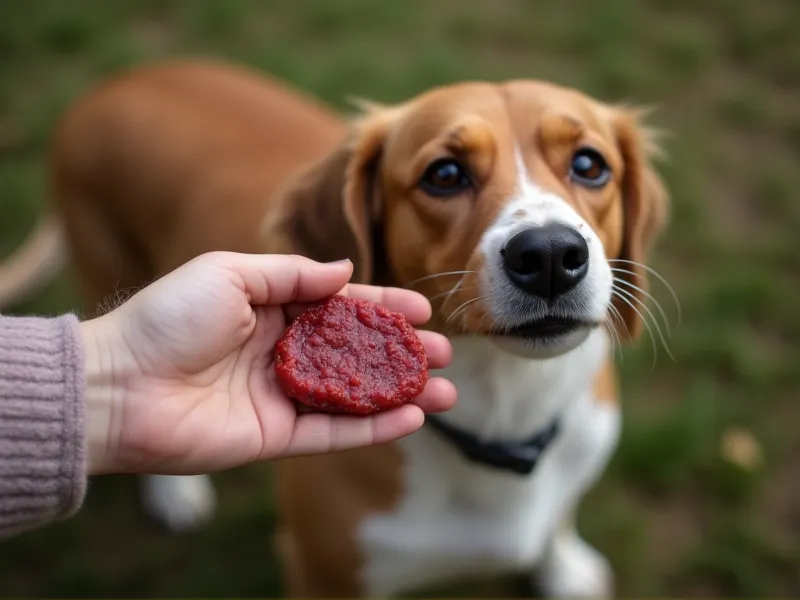
Table of Contents
- Can Dogs Eat Deer Liver? The Short Answer
- The Benefits of Deer Liver for Dogs
- Potential Risks to Watch For
- How Much Deer Liver Is Safe for Dogs?
- Preparing Deer Liver for Your Dog: Tips & Tricks
- Healthier Alternatives to Deer Liver
- FAQ: Your Deer Liver Questions Answered
- Conclusion: Moderation is Key
Can Dogs Eat Deer Liver? The Short Answer
Yes, dogs can eat deer liver—but only in small, occasional amounts.
Deer liver is a nutrient-dense organ meat that can offer health benefits when fed responsibly. However, it’s not a “free-for-all” snack. Like all organ meats, deer liver is rich in certain vitamins (hello, vitamin A!) that can be harmful in excess. Think of it as a special treat, not a regular part of their diet. When prepared safely and served in moderation, deer liver can be a tasty, healthy addition to your dog’s menu.
The Benefits of Deer Liver for Dogs
Liver is often called “nature’s multivitamin,” and deer liver is no exception. Here’s why this organ meat might deserve a spot in your dog’s treat rotation:
1. Packed with Essential Vitamins
Deer liver is a powerhouse of vitamins, including:
- Vitamin A: Critical for eye health, immune function, and skin/coat condition. It supports cell growth and helps fight infections.
- B Vitamins (B12, B6, Folate): These boost energy levels, aid in red blood cell production, and support brain and nerve function. B12, in particular, is vital for dogs (and humans!) since they can’t produce it on their own.
- Vitamin D: Important for bone health, muscle function, and immune support (though liver isn’t the highest source, it still contributes).
2. Rich in Minerals
Minerals in deer liver help keep your dog’s body running smoothly:
- Iron: Prevents anemia by supporting hemoglobin production (the protein that carries oxygen in blood).
- Zinc: Promotes healthy skin, a shiny coat, and proper immune function. It also aids in wound healing.
- Copper: Supports collagen production (for joints and skin) and helps with iron absorption.
- Selenium: An antioxidant that protects cells from damage and supports thyroid health.
3. High-Quality Protein
Dogs need protein to build muscle, repair tissues, and maintain a healthy metabolism. Deer liver is lean and packed with complete protein, meaning it contains all the essential amino acids your dog’s body needs.
4. Tasty & Enticing
Let’s be real: Most dogs go crazy for liver. Its strong, meaty flavor makes it a great tool for training or enticing picky eaters. If your dog turns up their nose at kibble, a tiny piece of deer liver might be just the trick to get them eating.
Potential Risks to Watch For
While deer liver has perks, it’s not without risks—especially if overfed or improperly prepared. Here’s what to keep in mind:
1. Vitamin A Toxicity (Hypervitaminosis A)
This is the biggest concern with feeding liver to dogs. Deer liver is extremely high in preformed vitamin A (retinol), a fat-soluble vitamin that the body stores in the liver. Unlike water-soluble vitamins (like B vitamins), excess retinol doesn’t get flushed out in urine—it builds up over time, leading to toxicity.
Symptoms of vitamin A toxicity include:
- Lethargy or weakness
- Loss of appetite
- Vomiting or diarrhea
- Joint pain or stiffness (due to bone and cartilage damage)
- Dry, flaky skin or hair loss
In severe cases, it can even cause bone deformities or organ damage. Puppies, senior dogs, and breeds prone to joint issues (like German Shepherds) are especially at risk.
2. Bacterial or Parasitic Contamination
Raw deer liver (or undercooked liver) can harbor harmful bacteria like Salmonella or E. coli, which can make your dog (and you!) sick. It may also contain parasites, such as tapeworms or roundworms, if the deer was infected.
Pro tip: Always cook deer liver thoroughly to kill pathogens. Avoid feeding raw liver unless you’re following a carefully balanced raw diet under veterinary supervision.
3. Choking Hazard
Deer liver is soft, but if fed in large, uncut chunks, it could pose a choking risk—especially for small dogs or greedy eaters. Always chop liver into bite-sized pieces before serving.
4. Upsetting the Diet Balance
Dogs thrive on balanced diets. If you overdo it with deer liver, you might throw off their nutrient intake. For example, too much liver can lead to excess copper (harmful to some breeds, like Bedlington Terriers) or unbalanced calcium-phosphorus ratios, which are crucial for bone health.
How Much Deer Liver Is Safe for Dogs?
The golden rule: Less is more.
Deer liver should make up no more than 5-10% of your dog’s weekly treat calories. To put that in perspective:
| Dog Size | Recommended Serving (Cooked Deer Liver) | Frequency |
|---|---|---|
| Small (10-20 lbs) | 1-2 teaspoons | Once every 1-2 weeks |
| Medium (30-50 lbs) | 1-2 tablespoons | Once every 1-2 weeks |
| Large (60+ lbs) | 2-3 tablespoons | Once weekly |
Note: These are general guidelines. Always adjust based on your dog’s individual health, activity level, and current diet. If your dog has a medical condition (like kidney disease or a vitamin A sensitivity), skip the liver entirely and consult your vet.
Preparing Deer Liver for Your Dog: Tips & Tricks
To keep your dog safe and maximize the benefits, follow these preparation steps:
1. Source Responsibly
Choose fresh, high-quality deer liver. If you hunt or know a hunter, ensure the deer was harvested safely (no lead shot, which is toxic) and field-dressed properly. Avoid liver from deer that may have been exposed to pesticides, herbicides, or diseases.
2. Cook Thoroughly
Cook deer liver until it’s no longer pink in the center (internal temperature of 160°F/71°C). Boiling, baking, or pan-searing (without oil) are all safe methods. Avoid adding seasonings like salt, garlic, onion, or spices—these can be toxic to dogs.
3. Chop or Mash
Cut cooked liver into small, bite-sized pieces to prevent choking. For small dogs or puppies, mash it up and mix it into their regular food for a special “topper.”
4. Store Safely
Refrigerate leftover cooked liver for up to 3 days, or freeze it in portion-sized bags for up to 3 months. Thaw frozen liver in the fridge overnight before serving.
Healthier Alternatives to Deer Liver
If you’re concerned about vitamin A toxicity or want to mix up your dog’s treats, try these safer alternatives:
1. Chicken or Turkey Liver
These poultry livers are lower in vitamin A than deer liver, making them a better choice for regular treats. They’re also widely available and affordable.
2. Lean Meats
Cooked chicken breast, turkey, or lean beef are high in protein and low in fat. They make great training treats!
3. Fruits & Veggies
Carrots, green beans, blueberries, or apple slices (no seeds!) are low-calorie, fiber-rich treats that most dogs love.
4. Commercial Organ Meat Treats
Look for vet-approved organ meat treats (like freeze-dried chicken liver) that are portion-controlled and balanced for safety.
FAQ: Your Deer Liver Questions Answered
Q: Can puppies eat deer liver?
A: Puppies can have tiny amounts of cooked deer liver as an occasional treat, but their developing bodies are more sensitive to vitamin A. Stick to 1-2 teaspoons (for small breeds) once every 2-3 weeks, and ask your vet first.
Q: My dog ate a whole deer liver! What should I do?
A: Don’t panic, but monitor them closely. If they ate a large amount, contact your vet immediately—they may recommend inducing vomiting or monitoring for vitamin A toxicity symptoms.
Q: Is deer liver better than beef liver for dogs?
A: Both are nutritious, but deer liver is slightly leaner and higher in certain minerals (like iron). However, it also has more vitamin A than beef liver, so the risk of toxicity is higher. Choose based on your dog’s needs and portion carefully!
Q: Can dogs with allergies eat deer liver?
A: Deer is a novel protein (many dogs haven’t tried it), so it may be an option for dogs with chicken or beef allergies. Introduce a tiny amount first and watch for signs of an allergic reaction (itching, swelling, diarrhea).
Conclusion: Moderation is Key
Deer liver can be a healthy, tasty treat for your dog when fed safely and in moderation. Its nutrient profile—rich in vitamins, minerals, and protein—offers real benefits, but the risk of vitamin A toxicity means it should never be a staple.
As with any new food, start small, cook it thoroughly, and keep an eye on your pup for adverse reactions. When in doubt, consult your vet—they know your dog’s health history and can help you decide if deer liver is a good fit.
After all, the best treats are the ones that keep your dog happy and healthy. So go ahead—share a tiny piece of cooked deer liver with your hiking buddy, and enjoy those tail wags!