· 8 min read
Can Dogs Eat Deer Legs? Benefits, Risks, and Safe Feeding Guidelines
It’s a brisk fall afternoon, and you’re hiking through the woods with your furry sidekick, Max. Suddenly, his ears perk up, and he darts toward a patch of ferns. When you catch up, he’s nose-deep in something: a discarded deer leg, still slightly fresh, left behind by a hunter or maybe a lucky scavenger. Max’s tail thumps wildly—this is the ultimate “found treasure,” as far as he’s concerned. But your heart races. Is this a harmless snack, or a recipe for disaster?
If you’ve ever wondered, “Can dogs eat deer legs?” you’re not alone. Deer legs are a common find in rural or wooded areas, and their raw, meaty appeal is hard for dogs to resist. But before you let your pup chow down, it’s crucial to weigh the potential benefits against the risks. In this guide, we’ll break down everything you need to know—from nutrients that support joint health to hidden dangers like choking or splintered bones. Let’s dive in!
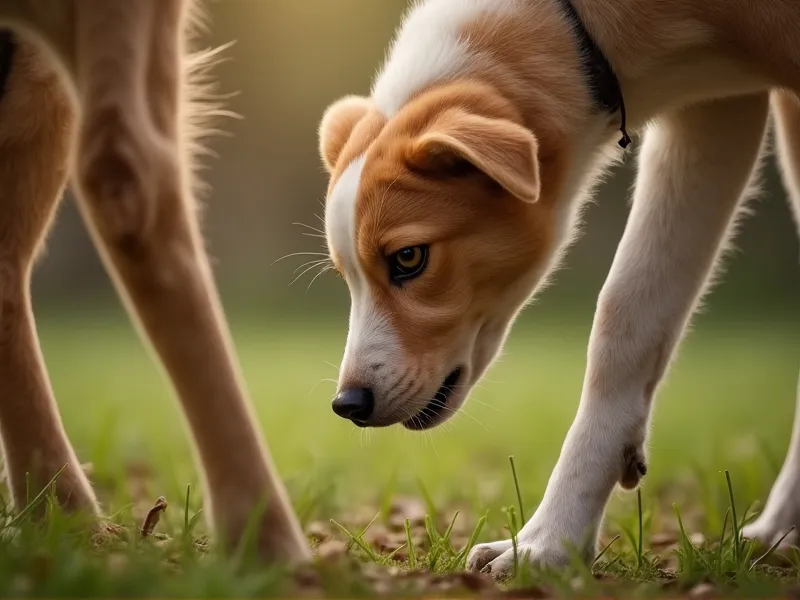
Table of Contents
- Can Dogs Eat Deer Legs? The Short Answer
- Potential Benefits of Deer Legs for Dogs
- Risks to Watch Out For
- Safe Feeding Guidelines: How Much (If Any) Is Okay?
- Healthier Alternatives to Deer Legs
- FAQ: Your Most Pressing Questions Answered
- Conclusion: Prioritize Safety and Moderation
Can Dogs Eat Deer Legs? The Short Answer
Yes, dogs can technically eat deer legs, but with significant caveats. Deer legs—when raw, fresh, and properly prepared—offer some nutritional benefits, like joint-supporting nutrients and lean protein. However, they also pose serious risks, including choking, intestinal blockages, and injury from bone splinters. For most dogs, the risks outweigh the benefits, especially if the leg is cooked, old, or from an unknown source.
Always consult your vet before giving your dog deer legs, and never leave them unsupervised while chewing.
Potential Benefits of Deer Legs for Dogs
While deer legs aren’t a “superfood” for dogs, they do contain some nutrients that can support your pup’s health—when fed safely and in moderation. Here’s what makes them potentially appealing:
1. Lean Protein for Muscle Health
Deer meat (venison) is a high-quality, lean protein source, rich in essential amino acids. Protein is vital for dogs, as it supports muscle growth, tissue repair, and a healthy coat. Venison is also often recommended for dogs with food allergies, as it’s a novel protein (less likely to trigger reactions than chicken or beef).
2. Glucosamine and Chondroitin for Joints
Deer legs are packed with connective tissue, cartilage, and ligaments—all natural sources of glucosamine and chondroitin. These compounds are known to support joint health by reducing inflammation and promoting the repair of cartilage. This is especially beneficial for senior dogs or breeds prone to joint issues (like Labradors or German Shepherds).
3. Calcium and Phosphorus for Bones
Deer leg bones (when raw and handled carefully) contain calcium and phosphorus, minerals that support strong bones and teeth. However, this benefit comes with a major asterisk: bones can splinter or cause blockages, so the risk often overshadows the mineral boost (more on this later).
4. Mental Stimulation and Dental Health
Chewing is a natural behavior for dogs, and a deer leg can provide hours of mental stimulation, reducing boredom and anxiety. The act of chewing may also help scrape plaque off teeth—though it’s not a substitute for regular dental care (brushing, professional cleanings).
Risks to Watch Out For
Deer legs aren’t without dangers. Even proponents of raw feeding caution against giving dogs large, weight-bearing bones like deer legs. Here are the key risks to consider:
1. Choking Hazard
Deer legs are large and can break into chunks, especially if your dog is a aggressive chewer. A chunk that’s too big can get stuck in their throat, blocking their airway. Small dogs are at higher risk, but even large breeds can choke on poorly chewed pieces.
2. Bone Splinters and Internal Injury
Deer legs are weight-bearing bones, meaning they’re dense and strong. While raw bones are less likely to splinter than cooked ones, they can still crack or splinter into sharp fragments. These fragments can tear the esophagus, stomach, or intestines, leading to internal bleeding, infection, or even death. Cooked deer bones are extremely dangerous—heat makes bones brittle, increasing the risk of splintering.
3. Intestinal Blockage
If your dog swallows a large piece of bone or cartilage, it could get stuck in their digestive tract, causing a blockage. Symptoms include vomiting, diarrhea, loss of appetite, and lethargy. Blockages often require surgery to resolve and can be life-threatening if left untreated.
4. Bacterial Contamination
Raw deer legs may harbor harmful bacteria like Salmonella, E. coli, or Listeria, which can sicken both dogs and humans. Dogs with weakened immune systems (puppies, seniors, or those with chronic illnesses) are especially vulnerable.
5. Parasites
Wild deer may carry parasites like ticks, fleas, or internal worms (e.g., tapeworms). If the deer leg is from an unprocessed, wild animal, your dog could ingest these parasites, leading to infections.
Safe Feeding Guidelines: How Much (If Any) Is Okay?
If, after consulting your vet, you decide to give your dog a deer leg, follow these strict guidelines to minimize risk:
1. Only Feed Raw, Fresh Deer Legs
Never feed cooked deer legs—cooking makes bones brittle and prone to splintering. The leg should be fresh (not spoiled or rotting) and from a reputable source (e.g., a trusted hunter who can confirm the deer was healthy and parasite-free). Avoid legs found in the wild, as you can’t verify their safety.
2. Size Matters
Choose a leg appropriate for your dog’s size. A small deer leg (e.g., from a fawn) may be suitable for a medium-sized dog, but a large adult deer leg could overwhelm even a Great Dane. The leg should be small enough that your dog can’t swallow it whole but large enough that they can’t break off big chunks.
3. Supervise Constantly
Never leave your dog alone with a deer leg. Watch for signs of aggressive chewing (crunching loudly, breaking off pieces) and take the leg away if they start to swallow large chunks.
4. Limit Frequency and Portion Size
Deer legs should be an occasional treat, not a regular meal. A good rule of thumb: no more than once every 1–2 weeks, and only a small portion (e.g., 1–2 inches of leg for a medium dog). Overfeeding can lead to digestive upset or obesity.
5. Check for Signs of Trouble
After feeding, monitor your dog for 24–48 hours. Watch for vomiting, diarrhea, lethargy, or difficulty defecating—these could signal a blockage or injury. If you notice any of these symptoms, contact your vet immediately.
Healthier Alternatives to Deer Legs
If the risks of deer legs have you hesitant, there are safer, more reliable alternatives that offer similar benefits:
1. Commercial Dental Chews
Brands like Greenies or Pedigree Dentastix are designed to promote dental health and satisfy chewing urges without the bone risk. Look for options with added glucosamine for joint support.
2. Raw Meaty Bones (Soft and Edible)
Softer bones like chicken necks, turkey wings, or lamb ribs are safer for most dogs. These bones are small, flexible, and can be chewed up completely, reducing the risk of blockages. Always source them from a trusted supplier (e.g., a local farm or pet store) to avoid bacteria.
3. Joint Supplements
If you’re after glucosamine and chondroitin, consider a veterinary-recommended supplement (e.g., Cosequin). These are rigorously tested and eliminate the risk of bone injury.
4. Antlers or Yak Chews
Natural antlers (deer or elk) and yak chews are long-lasting and less likely to splinter than bones. However, they’re very hard, so monitor your dog to prevent tooth fractures.
5. Lean Venison Treats
For the protein benefits of venison without the bones, try freeze-dried venison treats (e.g., from brands like Stella & Chewy’s). These are low-risk and great for training.
FAQ: Your Most Pressing Questions Answered
Q: Can puppies eat deer legs?
A: Puppies have smaller airways and developing digestive systems, making them more vulnerable to choking and blockages. It’s best to avoid deer legs until they’re full-grown (1–2 years old, depending on breed).
Q: My dog ate a cooked deer leg—what should I do?
A: Contact your vet immediately. Cooked bones splinter easily, and even small fragments can cause internal damage. Your vet may recommend monitoring for symptoms or inducing vomiting (do not try this at home without guidance).
Q: Are deer legs better than cow hooves or pig ears?
A: Not necessarily. Cow hooves are very hard (risk of tooth fractures), and pig ears can be high in fat (leading to pancreatitis). Deer legs have similar risks but may offer more joint-supporting nutrients. Always compare options with your vet.
Q: Can deer legs help with my dog’s arthritis?
A: The glucosamine and chondroitin in deer legs may ease arthritis symptoms, but results are anecdotal. For severe arthritis, a vet-prescribed medication or supplement is more reliable.
Conclusion: Prioritize Safety and Moderation
Deer legs can be a tempting treat for dogs, offering lean protein and joint-supporting nutrients—but they come with significant risks, from choking to internal injury. For most pet parents, the safer choice is to skip the deer leg and opt for vetted alternatives like soft raw bones, dental chews, or joint supplements.
If you do decide to share a deer leg with your pup, always consult your vet first, feed only raw and fresh legs, supervise closely, and limit portions. Remember: when it comes to your dog’s health, it’s better to be cautious than sorry.
Here’s to many happy, healthy hikes with your furry friend—minus the risky snacks!
References
- American Society for the Prevention of Cruelty to Animals (ASPCA). “People Food for Dogs: What’s Safe?” aspca.org
- American Veterinary Medical Association (AVMA). “Raw Food Diets for Pets.” avma.org
- PetMD. “Can Dogs Eat Venison?” petmd.com
- Veterinary Centers of America (VCA). “Bones and Dogs: What You Need to Know.” vcahospitals.com