· 9 min read
Can Dogs Eat Deer Jerky? A Pet Parent’s Guide to Safe Snacking
Picture this: You’re unwrapping a bag of smoky, savory deer jerky on a camping trip, and your dog—tail thumping, nose twitching—stares up at you like you’re holding the key to the universe. It’s hard to resist those puppy eyes, but before you toss them a strip, you pause: Is deer jerky safe for dogs?
If you’ve ever wondered whether your furry friend can join in on this tasty treat, you’re not alone. Deer jerky is a popular snack for humans, prized for its lean protein and bold flavor. But when it comes to our dogs, not all “human foods” are created equal. Let’s dive into the details, so you can make informed choices about sharing (or not sharing) this snack with your pup.
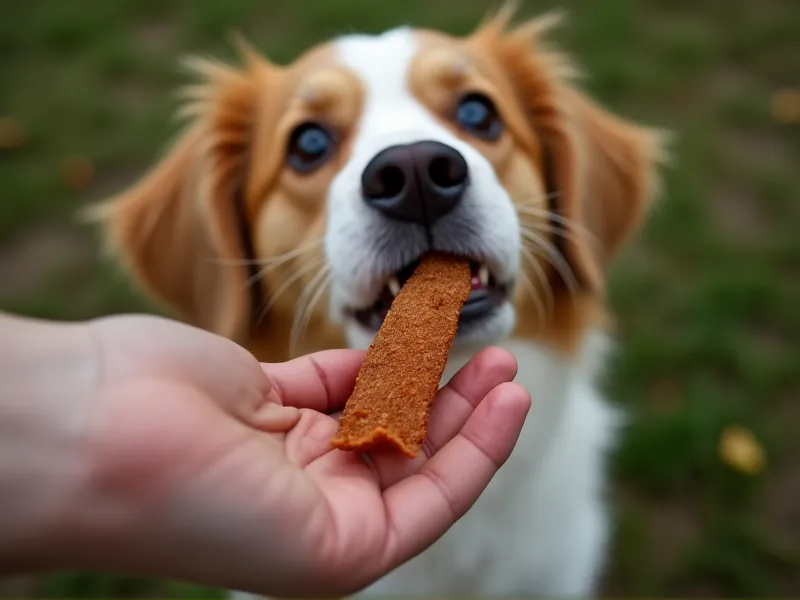
Table of Contents
- Can Dogs Eat Deer Jerky? The Short Answer
- Potential Benefits of Deer Jerky for Dogs
- Risks to Watch Out For
- How Much Deer Jerky Is Safe for Dogs?
- Healthier Alternatives to Deer Jerky
- FAQ: Your Questions Answered
- Conclusion
- References
Can Dogs Eat Deer Jerky? The Short Answer
Yes, dogs can eat deer jerky in moderation—but with important caveats.
Deer jerky itself, made from lean, unseasoned deer meat, is not toxic to dogs. In fact, deer is a high-quality protein source that’s often recommended for dogs with allergies to more common proteins like chicken or beef. However, the type of deer jerky matters. Many store-bought varieties are loaded with added sugars, salt, spices, and preservatives that can harm your dog. Homemade deer jerky (when prepared safely) is generally safer, but even then, portion control is key.
Potential Benefits of Deer Jerky for Dogs
When sourced and prepared carefully, deer jerky can offer some nutritional perks for your pup. Here’s what makes it a (sometimes) solid snack choice:
1. Lean, High-Quality Protein
Deer meat (venison) is naturally lean, with less fat than beef, pork, or even chicken. Protein is essential for dogs—it supports muscle growth, repairs tissues, and keeps their coat shiny and skin healthy. A 3-ounce serving of cooked deer meat contains about 26 grams of protein, making it an excellent source for active dogs or those needing a protein boost (e.g., working dogs, puppies).
2. Essential Vitamins and Minerals
Deer meat is packed with nutrients dogs need, including:
- Iron: Supports red blood cell function and energy levels.
- Zinc: Aids in immune health, wound healing, and healthy skin.
- B Vitamins (B12, niacin): Help convert food into energy and support brain function.
- Potassium: Regulates heart rate and muscle function.
These nutrients are naturally present in deer meat, so plain, unseasoned jerky can pass some of these benefits along—without the added junk.
3. Novel Protein for Allergic Dogs
If your dog has food allergies or sensitivities to common proteins (like chicken, beef, or lamb), deer is often recommended as a “novel” protein. Since it’s less commonly used in commercial dog food, it may be easier on their digestive system and less likely to trigger allergic reactions (e.g., itching, ear infections).
Risks to Watch Out For
While deer jerky has potential benefits, it’s not without risks—especially if you’re grabbing a random bag from the grocery store. Here’s what to watch for:
1. Hidden Additives: Sugar, Salt, and Preservatives
Most store-bought deer jerky isn’t just meat. Manufacturers often add sugar, salt, artificial flavors, and preservatives (like nitrates or sulfites) to improve taste and shelf life. These ingredients can spell trouble for dogs:
- Sugar: Empty calories that contribute to obesity, diabetes, and dental decay.
- Salt: Too much sodium can lead to dehydration, electrolyte imbalances, or even salt toxicity (signs include excessive thirst, vomiting, diarrhea, or seizures). Dogs need only about 100-200 mg of sodium per day, depending on size—one strip of commercial jerky can contain hundreds of mg.
- Preservatives: Nitrates/nitrites (used to keep jerky “fresh”) have been linked to an increased risk of cancer in humans and may pose similar risks to pets.
2. Toxic Spices and Flavors
Many jerky varieties include spices like garlic, onion, chili powder, or paprika. Onion and garlic are toxic to dogs—even in small amounts—because they damage red blood cells, leading to anemia. Other spices (like cayenne) can irritate your dog’s stomach, causing vomiting or diarrhea. Always check the label: If it lists “spices” without specifics, skip it.
3. Choking and Digestive Hazards
Jerky is tough by nature, which makes it a choking risk—especially for small dogs, puppies, or dogs who gulp their food. Large, unchewed pieces can get stuck in the throat or intestines, leading to blockages (a medical emergency). Even if they chew it, tough jerky can irritate the esophagus or cause constipation.
4. Bacterial Contamination
Homemade deer jerky carries its own risks if not prepared properly. Raw or under-dried meat can harbor bacteria like Salmonella or E. coli, which can make both you and your dog sick. Deer meat may also contain parasites (e.g., ticks, tapeworms) if not sourced from a trusted, properly processed supplier.
5. The “Jerky Treat” Recall History
In 2013, the FDA issued warnings about jerky pet treats (mostly chicken, turkey, and duck) linked to hundreds of dog illnesses and deaths. While deer jerky wasn’t the primary culprit, the incident highlighted the risks of low-quality, imported, or poorly regulated jerky. Always buy from reputable brands and check for recalls (via the FDA’s pet food recall page).
How Much Deer Jerky Is Safe for Dogs?
The golden rule for dog treats: They should make up no more than 10% of your dog’s daily calories. For deer jerky, this means very small portions—think “occasional treat,” not daily snack.
General Guidelines by Dog Size:
- Small dogs (under 20 lbs): 1-2 tiny pieces (about the size of a pinky nail) once or twice a week.
- Medium dogs (20-50 lbs): 1 small strip (1-2 inches long) every few days.
- Large dogs (50+ lbs): 1-2 strips (2-3 inches long) weekly.
Pro tip: Always cut jerky into bite-sized pieces to reduce choking risk, and supervise your dog while they eat it.
What to Look for in Safe Deer Jerky:
- Ingredients list: Should include only deer meat (venison) and maybe a small amount of salt (but ideally none). Avoid anything with sugar, spices, preservatives, or “natural flavors” (which are often code for additives).
- Source: Choose jerky made from human-grade, locally sourced deer (if possible). Avoid imported jerky, which may have looser safety standards.
- Texture: Soft enough for your dog to chew easily—tough, rock-hard jerky is a choking hazard.
When to Avoid Deer Jerky Altogether:
Skip deer jerky if your dog has:
- Kidney disease (excess salt is dangerous).
- Diabetes (sugar in jerky can spike blood sugar).
- Pancreatitis (high fat or spices can trigger flare-ups).
- Dental issues (tough jerky may worsen pain).
Healthier Alternatives to Deer Jerky
If you’re wary of deer jerky’s risks, or just want to mix up your dog’s snacks, these alternatives are safer and often more nutritious:
1. Plain, Cooked Deer Meat
Skip the jerky and serve small pieces of boiled, baked, or grilled deer meat (no salt or seasonings). It’s just as protein-rich but easier to digest and lower in salt.
2. Freeze-Dried Venison Treats
Freeze-dried deer treats (like those made by brands such as Stella & Chewy’s or Orijen) are minimally processed, with no added sugars or preservatives. They’re lightweight, easy to break into pieces, and less of a choking risk than jerky.
3. Homemade Sweet Potato Chews
Slice sweet potatoes into thin strips, bake at 250°F for 2-3 hours, and you’ve got a chewy, fiber-rich treat. Sweet potatoes are loaded with vitamins A and C, and most dogs love their natural sweetness.
4. Fresh Fruits and Veggies
Carrot sticks, apple slices (no seeds!), blueberries, or green beans make great low-calorie snacks. They’re high in fiber, vitamins, and antioxidants—plus, they’re cheap and easy to prepare.
5. Vet-Recommended Commercial Treats
Look for dog-specific jerky treats made with single-ingredient proteins (e.g., “100% venison jerky”) from trusted brands like Merrick or Wellness. These are formulated with dogs’ needs in mind, so they’re lower in salt and free of toxic additives.
FAQ: Your Questions Answered
Q: Can puppies eat deer jerky?
A: Yes, but in very small portions. Puppies have sensitive tummies, so stick to 1 tiny piece (crumbled, if possible) and watch for signs of upset (e.g., diarrhea). Avoid tough jerky—opt for softer, freeze-dried versions instead.
Q: Is homemade deer jerky safer than store-bought?
A: It can be—if you do it right! Use fresh, human-grade deer meat, trim all fat (fat spoils quickly in jerky), and dry it at 160°F (for meat) or 165°F (for poultry) to kill bacteria. Never use raw deer meat, and store homemade jerky in the fridge for up to 2 weeks.
Q: My dog ate a whole bag of deer jerky! What should I do?
A: Stay calm, but monitor for signs of salt toxicity: excessive thirst, vomiting, diarrhea, lethargy, or seizures. If you notice these, call your vet immediately. Even if they seem fine, it’s worth a check-in—too much salt can cause long-term kidney damage.
Q: Can dogs with allergies eat deer jerky?
A: Maybe! Deer is a novel protein, so it’s often recommended for dogs with allergies to chicken, beef, or lamb. But only if the jerky is plain (no additives). Always introduce new treats slowly and watch for itching, redness, or digestive issues.
Conclusion
Deer jerky can be a tasty, protein-packed treat for dogs—if you choose the right kind and feed it in moderation. Avoid store-bought versions with added sugars, salt, or spices, and opt for plain, unseasoned options or homemade jerky (prepared safely). When in doubt, stick to fresh, cooked deer meat or freeze-dried treats, which are often safer and just as delicious.
As with any new food, it’s smart to check with your vet first—especially if your dog has health issues. They can help you decide if deer jerky fits into their diet and how much is safe.
At the end of the day, the best snack for your dog is one that’s healthy, low-risk, and makes their tail wag. With a little caution, deer jerky might just become their new favorite hiking buddy treat!
References
- American Kennel Club (AKC). “Can Dogs Eat Venison?” akc.org.
- U.S. Food & Drug Administration (FDA). “Pet Food Recalls & Withdrawals.” fda.gov.
- ASPCA. “People Foods to Avoid Feeding Your Pets.” aspca.org.
- USDA FoodData Central. “Venison, cooked, roast.” fdc.nal.usda.gov.
- Veterinary Centers of America (VCA). “Dietary Requirements for Dogs.” vcahospitals.com.