· 8 min read
Can Dogs Eat Deer Hooves? A Pet Parent’s Guide to Risks, Benefits, and Safety
It’s a sunny afternoon, and you’re exploring a wooded trail with your pup, Luna. Suddenly, she freezes, nose twitching, and pounces on something in the underbrush—a small, hard, hoof-shaped object. You lean in for a closer look: it’s a deer hoof. Before you can react, Luna’s already gnawing on it, tail wagging. Panic creeps in: Is this safe? Can dogs eat deer hooves?
If you’ve ever found yourself in this situation, you’re not alone. Many pet parents wonder about “natural” chews like deer hooves, assuming they’re a healthier alternative to processed treats. But the truth is, while deer hooves aren’t toxic to dogs, they come with both benefits and risks. In this guide, we’ll break down everything you need to know to keep your furry friend happy and safe.
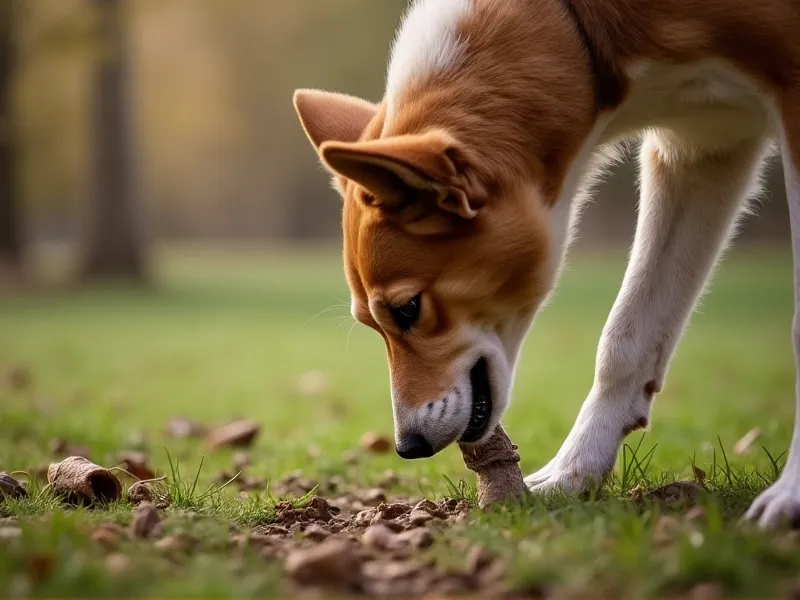
Table of Contents
- Can Dogs Eat Deer Hooves? The Short Answer
- The Potential Benefits of Deer Hooves for Dogs
- The Risks of Feeding Deer Hooves to Dogs
- How Much Deer Hoof Is Safe for Dogs? Guidelines for Pet Parents
- Healthier Alternatives to Deer Hooves
- FAQ: Your Deer Hoof Questions Answered
- Conclusion: Prioritize Safety and Moderation
Can Dogs Eat Deer Hooves? The Short Answer
Yes, dogs can technically eat deer hooves, but with significant caution. Deer hooves are not toxic, and some dogs enjoy chewing on them. However, they pose several risks—from choking to dental damage—that make them a less-than-ideal choice for most pups. Think of deer hooves as a “proceed with extreme care” treat, not a daily snack.
The Potential Benefits of Deer Hooves for Dogs
While the risks are notable, deer hooves do offer a few potential upsides when given responsibly. Let’s explore them:
1. Nutritional Value: Keratin, Fiber, and Trace Minerals
Deer hooves are primarily made of keratin, a tough protein found in hair, nails, and hooves. Keratin is rich in amino acids, which support healthy skin, coat, and nail growth in dogs. For example, cysteine, an amino acid in keratin, helps produce glutathione, an antioxidant that protects cells from damage (PetMD).
They also contain small amounts of fiber, which can aid digestion by supporting gut motility. Additionally, deer hooves may have trace minerals like calcium, phosphorus, and potassium (though not in significant quantities—don’t rely on them as a primary nutrient source).
2. Mental Stimulation and Stress Relief
Chewing is a natural behavior for dogs, and it helps reduce boredom and anxiety. Deer hooves, with their tough texture, can keep your dog occupied for hours, especially if they’re a “power chewer.” This mental stimulation is great for dogs left alone during the day or those prone to destructive behaviors (like chewing shoes!).
3. Dental Benefits (With a Catch)
Chewing on hard objects can help scrape plaque and tartar off your dog’s teeth—if done safely. Deer hooves may offer mild dental benefits by encouraging saliva production, which neutralizes acids and washes away food particles. However, this is a double-edged sword: their hardness can also damage teeth (more on that later).
The Risks of Feeding Deer Hooves to Dogs
The benefits of deer hooves are overshadowed by their risks, which can range from minor discomfort to life-threatening emergencies. Here’s what to watch for:
1. Choking Hazard: Small Pieces and Sharp Edges
Deer hooves are hard and brittle, especially if they’re dried or aged. When dogs chew them aggressively, they can break into small, sharp shards. These pieces can get lodged in your dog’s throat, causing choking. Even larger chunks can block the airway—an emergency that requires immediate veterinary care ([ASPCA Pet Poison Control](https://www.aspca.org/pet-care/pet-safety/common-pet- emergencies/choking)).
2. Dental Fractures and Damage
Deer hooves are extremely hard—harder than many commercial chew toys. Dogs with strong jaws (like German Shepherds or Pit Bulls) may crack or fracture their teeth while gnawing. Broken teeth are painful and can lead to infections, root canals, or extractions. Puppies with developing teeth and senior dogs with weak enamel are especially at risk (AVMA).
3. Intestinal Blockage or Stomach Upset
If your dog swallows large pieces of deer hoof, they may get stuck in the esophagus, stomach, or intestines. Symptoms of a blockage include vomiting, diarrhea, loss of appetite, and lethargy. Left untreated, blockages can be fatal (VCA Hospitals).
Even small pieces can cause stomach upset. Keratin is slow to digest, so eating too much can lead to constipation or diarrhea.
4. Bacterial Contamination: Salmonella and E. Coli
Like all raw or dried animal products, deer hooves can harbor harmful bacteria like Salmonella or E. coli. These pathogens can make your dog sick (symptoms: fever, vomiting, diarrhea) and even spread to humans via contact with saliva or feces (CDC). Always wash your hands after handling deer hooves, and avoid them if your dog has a weakened immune system.
5. Added Sugars or Chemicals (in Processed Hooves)
Some commercial deer hooves are “flavored” or treated with additives to make them more appealing. These may include sugar, salt, or preservatives—ingredients that are unhealthy for dogs in excess. Natural, unprocessed deer hooves are safer, but they’re harder to find and still carry the other risks listed above.
How Much Deer Hoof Is Safe for Dogs? Guidelines for Pet Parents
If you decide to give your dog a deer hoof (despite the risks), follow these rules to minimize danger:
1. Choose the Right Size
Match the hoof size to your dog. A small deer hoof could be a choking hazard for a Great Dane, while a large hoof might break a Chihuahua’s teeth. Opt for hooves no bigger than your dog’s mouth to reduce choking risk.
2. Limit to Occasional, Supervised Sessions
Deer hooves should be a rare treat—not a daily chew. Offer them once every 2–3 weeks at most, and only when you can supervise. Never leave your dog alone with a deer hoof; if they start breaking off chunks, take it away immediately.
3. Avoid If Your Dog Is an Aggressive Chewer
Dogs who “wolf down” chews (like Bulldogs or Rottweilers) are more likely to break off pieces or crack teeth. Stick to softer chews for aggressive chewers.
4. Skip for Puppies, Seniors, or Dogs with Dental Issues
Puppies have delicate teeth and jaws, and seniors may have weak enamel or dental disease. Deer hooves can worsen these issues. Similarly, dogs with a history of GI problems (like IBD) should avoid them, as they’re hard to digest.
Healthier Alternatives to Deer Hooves
If you want to treat your dog to a safe, satisfying chew, skip the deer hooves and try these alternatives:
1. Bully Sticks
Made from dried beef pizzle, bully sticks are high in protein, low in fat, and fully digestible. They’re softer than deer hooves, reducing dental risk, and most dogs love their chewy texture. Look for “free-range” or “grass-fed” options to avoid hormones (American Kennel Club).
2. Raw Meaty Bones
Raw, meaty bones (like chicken necks or beef ribs) are a natural chew that’s soft enough to avoid dental damage. They’re rich in nutrients like calcium and glucosamine, which support joint health. Never feed cooked bones—they splinter and can cause blockages (Raw Feeding Miami).
3. Rubber Chew Toys (e.g., Kong)
Rubber toys like Kongs are durable, non-toxic, and perfect for stuffing with peanut butter or yogurt. They provide mental stimulation without the risk of choking or blockages. Look for toys labeled “indestructible” for power chewers.
4. Sweet Potato Chews
Baked sweet potato slices are a low-calorie, fiber-rich alternative. They’re soft enough for most dogs and packed with vitamins A and C. Just bake them until chewy (not crispy) to avoid choking.
5. Antlers (With Caution)
Deer or elk antlers are another natural chew, but they’re also hard. If you choose antlers, pick “split” ones (they’re softer) and avoid them for aggressive chewers. Monitor closely for splintering (PetMD).
FAQ: Your Deer Hoof Questions Answered
Q: Are deer hooves digestible for dogs?
A: Partially. Keratin is slow to digest, and large pieces can get stuck in the gut. Small, softened pieces may pass, but blockages are still possible.
Q: Can puppies eat deer hooves?
A: No. Puppies have developing teeth and jaws, making deer hooves a choking and dental hazard. Stick to puppy-safe chews like teething rings.
Q: My dog ate a deer hoof—what should I do?
A: Monitor for symptoms of blockage: vomiting, diarrhea, lethargy, or loss of appetite. If you notice any, contact your vet immediately. Even if they seem fine, call your vet to be safe.
Q: Are smoked or flavored deer hooves safer?
A: No. Smoking or flavoring adds chemicals (like salt or preservatives) that can upset your dog’s stomach. Natural, unprocessed hooves are slightly safer but still risky.
Q: How do I clean deer hooves before giving them to my dog?
A: Rinse them thoroughly with warm water to reduce bacteria. Avoid boiling—heat can make them harder and more brittle.
Conclusion: Prioritize Safety and Moderation
Deer hooves aren’t toxic to dogs, but their risks—choking, dental damage, blockages—often outweigh their benefits. While some dogs may enjoy them occasionally, there are safer, healthier chews available (like bully sticks or raw bones) that provide the same mental stimulation without the danger.
If you do decide to offer a deer hoof, always supervise your dog, limit intake, and opt for natural, unprocessed options. And when in doubt, consult your vet—they know your dog’s health history and can help you make the best choice.
At the end of the day, your pup’s safety is what matters most. A happy dog is a healthy dog, and there are plenty of treats that check both boxes!
References
- American Kennel Club. (2023). “The Best Dog Chews: Safe Options for Every Pup.” AKC.org
- ASPCA Pet Poison Control. (2023). “Choking in Pets.” ASPCA.org
- Centers for Disease Control and Prevention. (2023). “Salmonella and Pets.” CDC.gov
- PetMD. (2023). “What Is Keratin and How Does It Benefit Dogs?” PetMD.com
- VCA Hospitals. (2023). “Intestinal Foreign Body in Dogs.” VCAHospitals.com