· 9 min read
Can Dogs Eat Deer Antlers? Benefits, Risks, and Safe Guidelines for Pet Parents
It’s a sunny afternoon, and you’re strolling through the park with your tail-wagging sidekick when suddenly, their ears perk up. There, glinting under a bush, is a smooth, curved deer antler—nature’s version of a chew toy. Your dog’s nose twitches, and they’re already pawing at it, eager to sink their teeth in. You’ve heard hunters and fellow pet parents praise antlers as “all-natural” chews, but is this a safe snack, or a hidden danger?
As pet parents, we want the best for our dogs—something that keeps them entertained, supports their health, and won’t land them in the vet’s office. Deer antlers have surged in popularity as a “healthy” alternative to rawhide or processed chews, but the truth is more nuanced. In this guide, we’ll break down whether dogs can eat deer antlers, the potential benefits, the risks to watch for, and how to keep your pup safe if you decide to offer one. Let’s dive in!
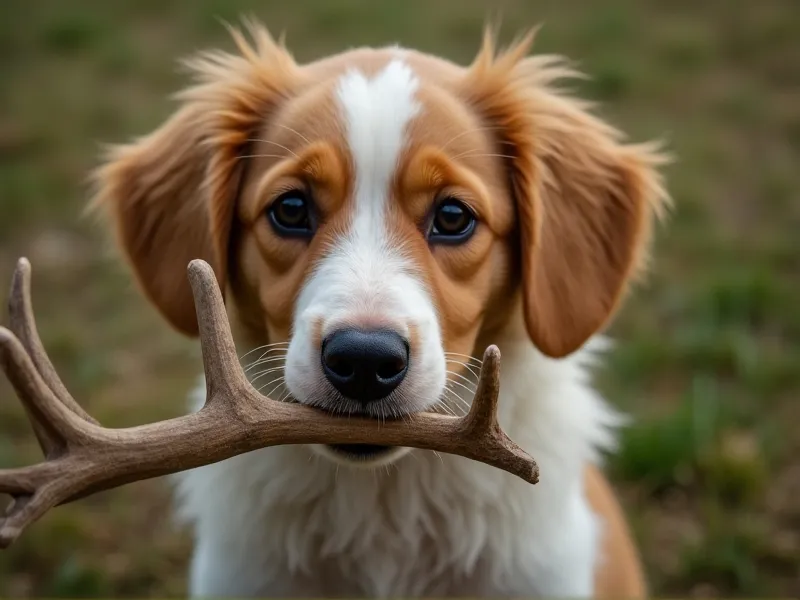
Table of Contents
- Can Dogs Eat Deer Antlers? The Short Answer
- Potential Benefits of Deer Antlers for Dogs
- Risks of Feeding Deer Antlers to Dogs
- Safe Feeding Guidelines: How to Offer Deer Antlers (If You Choose To)
- Healthier Alternatives to Deer Antlers
- FAQ: Your Top Deer Antler Questions Answered
- Conclusion: Prioritize Safety and Moderation
- References
Can Dogs Eat Deer Antlers? The Short Answer
Yes, dogs can technically eat deer antlers, but with significant caveats. Deer antlers are not toxic to dogs, and some may even offer minor nutritional benefits. However, they pose serious risks—including choking, dental fractures, and internal damage—that make them a controversial choice among veterinarians.
Think of deer antlers like a “proceed with extreme caution” treat. They’re not inherently dangerous, but their hardness and potential to splinter mean they require careful supervision and strict limits. For some dogs (like aggressive chewers or small breeds), the risks may far outweigh any benefits.
Potential Benefits of Deer Antlers for Dogs
While deer antlers aren’t a “superfood” for dogs, they do have a few upsides that explain their popularity:
1. Natural Source of Key Minerals
Deer antlers are made of bone-like material rich in calcium and phosphorus—two minerals critical for strong bones, teeth, and muscle function. They also contain trace amounts of potassium, which supports heart health, and magnesium, important for nerve and muscle function. However, these minerals are only released as your dog chews and tiny bits wear off, so they’re not a replacement for a balanced diet.
2. Long-Lasting Entertainment
Dogs are natural chewers, and antlers are tough. Unlike flimsy rawhide or soft treats that disappear in 5 minutes, a good antler can keep a moderate chewer occupied for hours. This mental stimulation is great for reducing boredom, anxiety, or destructive chewing (like gnawing on your couch legs).
3. Low in Fat and Calories
Compared to high-fat chews like pig ears or bully sticks, deer antlers are low in calories and fat. This makes them a tempting option for overweight dogs or those on a restricted diet—if you can ensure they don’t overindulge (more on portion control later).
4. No Artificial Additives
Unlike many commercial chews, deer antlers are minimally processed (if at all). Shed antlers (those naturally fallen off deer) are free of chemicals, preservatives, or added flavors, which appeals to pet parents seeking “clean” options.
Risks of Feeding Deer Antlers to Dogs
While the benefits are enticing, the risks of deer antlers are very real—and often underestimated. Here’s what to watch for:
1. Choking Hazard
Antlers can break into small, sharp pieces, especially if your dog is an aggressive chewer. These fragments can get lodged in their throat, causing choking. Even larger chunks can block the airway, which is a life-threatening emergency. Small breeds or dogs who “wolf down” chews are at higher risk.
2. Dental Fractures
Deer antlers are extremely hard—harder than many dog teeth. Chewing on them can crack or fracture your dog’s teeth, including the large premolars (carnassial teeth) used for tearing food. Fractured teeth are painful, prone to infection, and often require expensive veterinary treatment (like root canals or extractions). Vets report seeing this issue regularly with hard chews like antlers, bones, and ice.
3. Splintering and Internal Damage
While antlers are less likely to splinter than cooked bones, they can still break into sharp shards. These shards can tear the esophagus, stomach, or intestines, leading to internal bleeding, infection, or blockages. Symptoms of internal damage include vomiting, diarrhea, lethargy, or loss of appetite—and may require surgery to fix.
4. Gastrointestinal Blockages
Even small, smooth pieces of antler can accumulate in your dog’s gut, causing a blockage. This is especially risky for dogs who swallow chunks instead of chewing them thoroughly. Blockages are painful and life-threatening, often requiring emergency surgery.
Safe Feeding Guidelines: How to Offer Deer Antlers (If You Choose To)
If you decide to give your dog a deer antler, follow these strict guidelines to minimize risk:
1. Choose the Right Size and Type
- Size matters: Pick an antler larger than your dog’s mouth to prevent choking. A good rule: If it fits entirely in their mouth, it’s too small.
- Shed vs. cut antlers: Opt for shed antlers (naturally fallen off deer) over cut antlers from hunted deer. Cut antlers may have sharp edges from sawing, increasing splinter risk.
- Avoid brittle antlers: Fresh shed antlers are slightly softer and less likely to splinter. Old, dried-out antlers (look for cracks or flaking) are more dangerous—they’re prone to breaking into sharp pieces.
2. Supervise Every Chewing Session
Never leave your dog alone with an antler. Even “calm” chewers can suddenly break off a chunk. Stay nearby to intervene if they start swallowing large pieces or chewing aggressively.
3. Limit Chewing Time
Aim for 10–20 minutes of chewing, 2–3 times per week. Extended sessions increase the risk of dental damage or overconsumption. Remove the antler when it becomes small enough to fit in their mouth (to prevent choking) or starts to splinter.
4. Avoid Puppies, Senior Dogs, or Dogs with Dental Issues
Puppies have soft, developing teeth that are easily fractured. Senior dogs or those with existing dental problems (like gum disease or loose teeth) are also at higher risk. Skip antlers for these groups entirely.
5. Monitor for Signs of Trouble
After chewing, watch for:
- Blood in saliva (sign of a cut mouth or fractured tooth)
- Vomiting, diarrhea, or lethargy (possible blockage)
- Pawing at the mouth or difficulty eating (choking or dental pain)
If you notice any of these, contact your vet immediately.
Healthier Alternatives to Deer Antlers
If the risks of deer antlers make you nervous, there are safer, equally engaging chew options for your dog:
1. Rubber or Nylon Chew Toys
Toys like KONG Classic or Nylabone DuraChew are designed to be tough but gentle on teeth. They’re non-toxic, won’t splinter, and can be stuffed with peanut butter or treats for extra fun.
2. Himalayan Yak Chews
Made from yak milk, these hard chews are long-lasting and melt slowly in your dog’s mouth, reducing splinter risk. They’re high in protein and low in fat, but still supervise to avoid choking on small pieces.
3. Raw Meaty Bones (From Trusted Sources)
Raw, meaty bones (like chicken necks or beef ribs) are a natural chew that’s softer than antlers. They provide calcium, phosphorus, and mental stimulation. Important: Never cook bones (they splinter), and choose bones appropriate for your dog’s size (e.g., avoid weight-bearing bones like femurs for small dogs).
4. Bully Sticks (In Moderation)
Bully sticks are high in protein and low in fat, but they’re calorie-dense—so limit them to occasional treats. Look for “odor-free” or “low-odor” options if you’re sensitive to smells.
5. Frozen Fruits or Veggies
For a low-calorie, interactive snack, freeze carrot sticks, apple slices (no seeds), or blueberries. They’re safe, crunchy, and great for teething puppies or dogs on a diet.
FAQ: Your Top Deer Antler Questions Answered
Q: Are shed deer antlers safer than antlers from hunted deer?
A: Yes! Shed antlers are naturally fallen off, so they’re smoother and less likely to have sharp edges from cutting. Hunted deer antlers may be sawed, leaving rough, splinter-prone edges. Always choose shed antlers if possible.
Q: Can puppies eat deer antlers?
A: No. Puppies have soft, developing teeth that are easily fractured by hard antlers. Stick to softer chews like rubber toys or frozen washcloths for teething puppies.
Q: How do I clean a deer antler before giving it to my dog?
A: Rinse it thoroughly with warm water to remove dirt or debris. Avoid soap, bleach, or chemicals—they can leave harmful residues. Let it air dry completely before offering.
Q: My dog loves antlers—can I give them one every day?
A: No. Even with supervision, daily antler chewing increases the risk of dental damage or blockages. Limit to 2–3 times per week, max.
Q: What if my dog swallows a piece of antler?
A: Contact your vet immediately. Small pieces may pass, but larger chunks can cause blockages. Watch for vomiting, diarrhea, or loss of appetite—these are red flags.
Conclusion: Prioritize Safety and Moderation
Deer antlers are a divisive topic among pet parents and vets alike. While they offer minor benefits like minerals and entertainment, the risks of choking, dental fractures, and internal damage are significant.
If you choose to give your dog a deer antler, do so cautiously: pick the right size, supervise every chew session, and stop if you notice signs of trouble. For many dogs, safer alternatives like rubber toys or raw bones are a better bet.
Remember, every dog is different—what works for a calm, small terrier may be dangerous for a power-chewing German Shepherd. When in doubt, consult your vet. They can help you decide if antlers are a good fit for your pup’s age, size, and chewing style.
At the end of the day, the goal is to keep your dog happy, healthy, and out of harm’s way. With moderation and common sense, you can find the perfect chew that satisfies their instincts and keeps them safe.
References
- American Kennel Club (AKC). “Are Deer Antlers Safe for Dogs?” AKC.org
- PetMD. “The Best and Worst Chew Toys for Dogs.” PetMD.com
- Coates, J. (2020). “Is It Safe to Give My Dog Antlers to Chew On?” Vetstreet.com
- Veterinary Centers of America (VCA). “Chew Toys for Dogs: Choosing the Right Ones.” VCAHospitals.com