· 8 min read
Can Dogs Eat Dark Red Kidney Beans? A Pet Parent’s Guide to Safe Snacking
You’re stirring a pot of chili, the rich aroma of spices and simmering beans filling the kitchen. Suddenly, your pup trots over, tail thumping, nose twitching like a metronome. They tilt their head, those big, soulful eyes locking onto yours—clearly begging for a taste of the hearty, dark red kidney beans bubbling in the pot.
“Can I share a kidney bean with them?” you wonder. After all, kidney beans are a pantry staple for humans, packed with fiber, protein, and nutrients. But when it comes to our four-legged friends, not all human foods are safe. So, are dark red kidney beans a healthy treat for dogs, or should they stay off the menu?
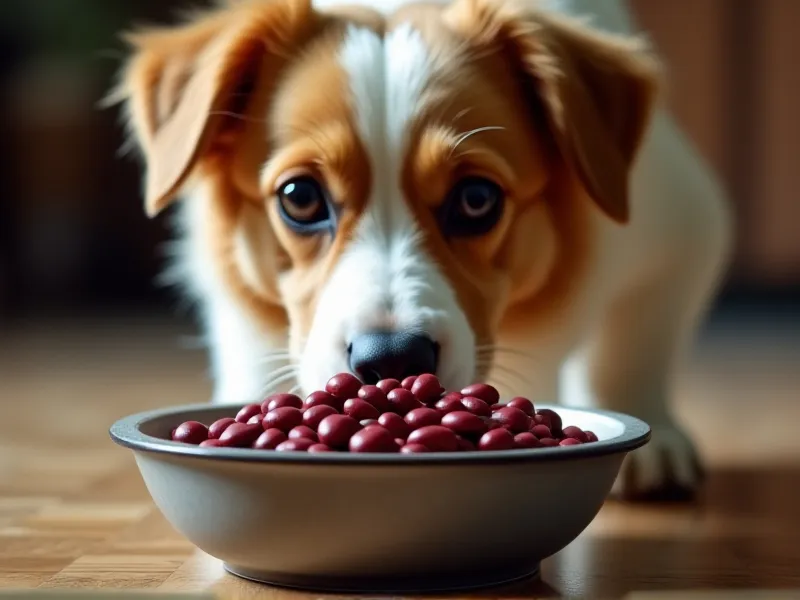
Table of Contents
- Can Dogs Eat Dark Red Kidney Beans? The Short Answer
- Nutritional Benefits of Dark Red Kidney Beans for Dogs
- Potential Risks: Why Caution is Key
- Safe Feeding Guidelines: How Much (and How) to Offer
- Healthier Alternatives to Kidney Beans
- FAQ: Your Kidney Bean Questions Answered
- Conclusion: Kidney Beans as an Occasional Treat
Can Dogs Eat Dark Red Kidney Beans? The Short Answer
Yes, dogs can eat dark red kidney beans—but only if they’re cooked, plain, and offered in moderation.
Raw or undercooked kidney beans are toxic to dogs (and humans!) due to lectins, a type of protein that can cause severe gastrointestinal distress. Even cooked kidney beans, while generally safe, come with caveats: they’re high in fiber and carbohydrates, which can upset sensitive stomachs if overfed. Think of them as a “sometimes” treat, not a regular part of your dog’s diet.
Nutritional Benefits of Dark Red Kidney Beans for Dogs
Kidney beans are a nutritional powerhouse for humans, and in small, cooked portions, they can offer some benefits to dogs too. Let’s break down their key nutrients:
1. Plant-Based Protein
Kidney beans are rich in protein (about 15 grams per cup, cooked), which helps support muscle maintenance, tissue repair, and a healthy coat. While dogs are primarily carnivores, they can digest and use plant-based proteins in moderation—making kidney beans a偶尔 boost for active pups or those on a balanced, varied diet.
2. Fiber for Digestive Health
Fiber is essential for keeping your dog’s gut moving smoothly. Kidney beans contain both soluble and insoluble fiber:
- Soluble fiber (like pectin) helps regulate blood sugar and can soothe diarrhea by absorbing excess water.
- Insoluble fiber adds bulk to stool, supporting regular bowel movements and preventing constipation.
Just be careful—too much fiber can backfire (more on that in the risks section!).
3. Key Minerals: Iron and Potassium
- Iron: Critical for red blood cell function, iron helps transport oxygen throughout the body. Dogs with anemia (low red blood cells) may benefit from small amounts of iron-rich foods, though kidney beans shouldn’t replace veterinary treatment.
- Potassium: This mineral supports heart health, muscle function, and fluid balance. It’s especially important for active dogs, as potassium levels can drop during exercise.
4. B Vitamins for Energy
Kidney beans contain B vitamins like folate (B9) and thiamine (B1), which help convert food into energy and support brain function. Folate is also important for cell growth, making it useful for puppies or senior dogs.
Potential Risks: Why Caution is Key
While kidney beans have perks, they’re not without risks. Here’s what to watch for:
1. Lectins in Raw or Undercooked Beans
Raw kidney beans are dangerous for dogs. They contain high levels of a lectin called phytohaemagglutinin, which is toxic to both humans and animals. Even a small amount of raw or undercooked kidney beans can cause:
- Severe vomiting and diarrhea
- Abdominal pain and bloating
- Lethargy or weakness
Cooking kidney beans at a rolling boil for at least 10 minutes (then simmering) destroys most lectins, making them safe. Do not rely on slow cookers alone—they may not reach high enough temperatures to neutralize lectins.
2. Digestive Upset from Too Much Fiber
While fiber is good, excess fiber can lead to:
- Gas and bloating (kidney beans are infamous for causing flatulence in humans—dogs are no exception!)
- Diarrhea or constipation (especially in small or toy breeds with sensitive tummies)
- Reduced absorption of other nutrients (since too much fiber can interfere with the uptake of vitamins and minerals).
3. High Carbohydrates and Sugar
Kidney beans are starchy, with about 40 grams of carbs per cup (cooked). For dogs, whose bodies are designed to thrive on protein and fat, excess carbs can lead to weight gain or blood sugar spikes—especially in dogs with diabetes or insulin resistance.
4. Choking Hazard for Small Dogs
Whole kidney beans are large and round, posing a choking risk for tiny breeds (like Chihuahuas or Yorkies) or dogs who gulp their food without chewing. If you have a small pup, mash or chop the beans first to reduce this risk.
Safe Feeding Guidelines: How Much (and How) to Offer
If you want to share kidney beans with your dog, follow these rules to keep them safe:
1. Cook Thoroughly (No Exceptions!)
As mentioned, raw or undercooked beans are toxic. Boil kidney beans for 10 minutes first, then simmer until soft (about 45–60 minutes total). Avoid adding salt, garlic, onions, or spices—these are harmful to dogs (onions and garlic contain compounds that damage red blood cells).
2. Skip the Canned Beans (or Rinse Them Well)
Canned kidney beans are convenient, but they’re often packed in salted water (up to 400 mg of sodium per cup!). High sodium intake can lead to dehydration, kidney strain, or even sodium ion poisoning in dogs. If you use canned beans, rinse them thoroughly under cold water to remove excess salt. Avoid canned beans with added sugars, sauces, or seasonings (like “baked beans” in syrup).
3. Portion Control is Critical
Kidney beans should be a tiny part of your dog’s diet—think “treat-sized,” not meal-sized. A general rule:
- Small dogs (under 20 lbs): 1–2 mashed or chopped beans, once or twice a week.
- Medium dogs (20–50 lbs): 3–5 beans, or 1–2 teaspoons of mashed beans.
- Large dogs (50+ lbs): Up to 1 tablespoon of cooked, plain beans, occasionally.
Overfeeding can lead to gas, diarrhea, or weight gain—so err on the side of “less is more.”
4. Introduce Slowly
If your dog has never eaten kidney beans before, start with a tiny amount (e.g., 1 bean for a small dog) and monitor for 24 hours. Watch for signs of upset: vomiting, diarrhea, or excessive gas. If they tolerate it, you can offer a slightly larger portion next time.
Healthier Alternatives to Kidney Beans
While kidney beans can be safe in moderation, there are other human foods that make better, lower-risk treats for dogs. Here are our top picks:
1. Green Beans
Why they’re better: Low in calories (only 31 calories per cup, cooked), high in fiber, and crunchy—perfect for dental health! Green beans are gentle on tummies and safe for dogs of all sizes. Serve them steamed or raw (chopped for small breeds).
2. Cooked Lentils
Why they’re better: Lentils are smaller, easier to digest, and lower in lectins than kidney beans (though they still need cooking!). They’re packed with protein, iron, and fiber—great for a nutrient boost without the gas risk.
3. Unsweetened Pumpkin
Why they’re better: Canned pumpkin (not pumpkin pie filling!) is a doggy superfood. It’s rich in fiber (to soothe both diarrhea and constipation) and beta-carotene (vitamin A for eye health). A tablespoon or two mixed into food is a hit with most pups.
4. Chickpeas (Garbanzo Beans)
Why they’re better: Chickpeas are smaller than kidney beans, lower in carbs, and easier to digest. They’re a good source of protein and folate—just cook them plain and mash for small dogs.
FAQ: Your Kidney Bean Questions Answered
Q: Can dogs eat kidney beans in chili or other dishes?
A: No. Chili often contains onions, garlic, spices, or high-sodium broth—all of which are toxic or harmful to dogs. Even “mild” chili can upset their stomachs. Stick to plain, cooked kidney beans only.
Q: My dog ate raw kidney beans—what should I do?
A: Contact your vet immediately. Symptoms of lectin poisoning (vomiting, diarrhea, lethargy) can start within 1–3 hours. Your vet may recommend inducing vomiting or providing supportive care (like IV fluids) to prevent dehydration.
Q: Are kidney beans good for dogs with kidney disease?
A: Probably not. Dogs with kidney disease need low-protein, low-potassium diets. Kidney beans are high in both protein and potassium, which can strain already weakened kidneys. Always consult your vet before adding new foods to a dog with health issues.
Q: Can puppies eat kidney beans?
A: Puppies have sensitive digestive systems, so it’s best to avoid kidney beans until they’re at least 6 months old. If you do offer them, start with a tiny portion (1 mashed bean) and watch for upset.
Conclusion: Kidney Beans as an Occasional Treat
So, can dogs eat dark red kidney beans? Yes—but with strict rules. Cooked, plain kidney beans can be a safe, nutrient-packed treat for your pup, but they’re no substitute for a balanced dog food diet. Always prioritize moderation, avoid raw or seasoned beans, and keep an eye on portion sizes (especially for small or sensitive dogs).
When in doubt, consult your vet—they know your dog’s health history and can help you decide if kidney beans (or other human foods) are a good fit. And remember: the best treats are the ones that keep your dog happy, healthy, and tail-wagging.
Now, go enjoy that chili—and maybe share one tiny, cooked kidney bean with your patient pup. They’ll thank you (and probably beg for more… but resist those puppy eyes!).
References
- American Kennel Club (AKC). “Can Dogs Eat Beans?” akc.org/expert-advice/nutrition/can-dogs-eat-beans
- PetMD. “Human Foods Dogs Can and Can’t Eat.” petmd.com/dog/nutrition/human-foods-dogs-can-and-cant-eat
- Cornell University College of Veterinary Medicine. “Toxic Foods for Dogs.” vet.cornell.edu/departments-centers-and-institutes/cornell-animal-health-diagnostics-center/animal-health-topics/toxic-foods-dogs
- World Small Animal Veterinary Association (WSAVA). “Nutrition Toolkit: Safe Human Foods for Pets.” wsava.org/global-guidelines/nutrition-toolkit