· 9 min read
Can Dogs Eat Dark Chocolate? The Surprising Truth Every Pet Parent Needs to Know
Picture this: You’re curled up on the couch, savoring a square of your favorite dark chocolate. Its rich, earthy aroma fills the room, and just as you take a bite, you feel a soft nudge on your knee. Looking down, you meet your dog’s hopeful eyes—tail thumping, nose twitching, clearly begging for a taste. “Surely a tiny piece won’t hurt,” you think. After all, dark chocolate is “healthy” for humans, right?
If you’ve ever wondered whether dogs can safely share your dark chocolate, you’re not alone. Chocolate is a beloved treat for many, and it’s natural to want to spoil our furry friends. But here’s the thing: when it comes to dogs and dark chocolate, the answer isn’t as simple as “yes” or “no.” In fact, it’s a resounding “no”—and for good reason.
In this post, we’ll break down why dark chocolate is dangerous for dogs, what risks it poses, and what to do if your pup sneaks a bite. We’ll also share healthier alternatives that let you treat your dog without putting their health on the line. Let’s dive in!
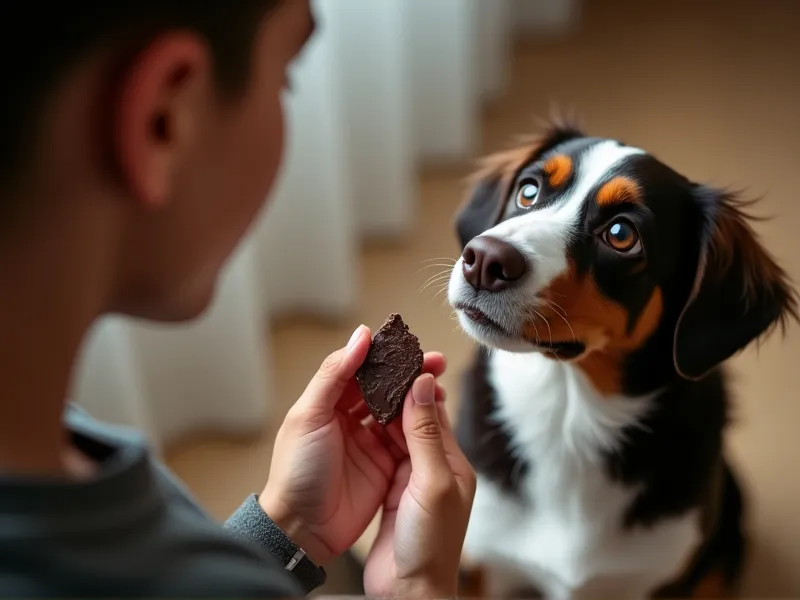
Table of Contents
- Can Dogs Eat Dark Chocolate? The Short Answer
- What Makes Dark Chocolate Dangerous for Dogs?
- Potential “Benefits” of Dark Chocolate (and Why They Don’t Matter for Dogs)
- The Risks of Feeding Dark Chocolate to Dogs: What You Need to Know
- How Much Dark Chocolate Is Toxic to Dogs? A Simple Guide
- Oh No! My Dog Ate Dark Chocolate—What Do I Do?
- Healthier Alternatives to Dark Chocolate for Dogs
- FAQ: Your Most Pressing Dark Chocolate Questions Answered
- Conclusion: Keep Your Dog Safe, One Treat at a Time
Can Dogs Eat Dark Chocolate? The Short Answer
No. Dark chocolate is toxic to dogs, and even small amounts can cause serious health problems—including seizures, heart failure, or even death. The culprit? A compound called theobromine, which is found in cocoa beans. Humans metabolize theobromine quickly, but dogs process it much more slowly, allowing it to build up in their system to dangerous levels.
The darker the chocolate (i.e., the higher the cocoa content), the more theobromine it contains. For example, a square of 85% dark chocolate has far more theobromine than a milk chocolate bar. So, while “just a tiny bite” might seem harmless, it could be life-threatening for your pup.
What Makes Dark Chocolate Dangerous for Dogs?
To understand why dark chocolate is so risky, let’s talk about theobromine. It’s a stimulant found in cocoa, along with small amounts of caffeine. Both compounds affect the central nervous system and heart. While humans can enjoy chocolate without issue, dogs lack the enzymes needed to break down theobromine efficiently.
Here’s how it works: When a dog eats chocolate, theobromine is absorbed into their bloodstream and lingers for hours (sometimes up to 24 hours). As levels rise, it overstimulates their heart, causing an irregular heartbeat (arrhythmia), increased blood pressure, and even tremors or seizures. In severe cases, it can lead to organ failure or death.
Cocoa content is key here. The higher the percentage of cocoa solids, the more theobromine is present. For reference:
- Milk chocolate: ~10-30% cocoa (lower theobromine)
- Dark chocolate: 50-90%+ cocoa (high theobromine)
- Unsweetened baking chocolate: 100% cocoa (extremely high theobromine—the most dangerous)
Potential “Benefits” of Dark Chocolate (and Why They Don’t Matter for Dogs)
You’ve probably heard that dark chocolate is “good for you”—packed with antioxidants, fiber, and minerals like potassium and magnesium. It’s true that, for humans, moderate dark chocolate consumption may support heart health and mood. But these benefits don’t translate to dogs—and here’s why:
The “benefits” are negligible compared to the risks:
- Antioxidants: While dark chocolate has flavonoids (antioxidants), dogs get plenty of antioxidants from their regular diet (think: leafy greens, berries, or high-quality dog food).
- Fiber: A square of dark chocolate has a tiny amount of fiber—nowhere near enough to justify the theobromine risk.
- Potassium/Magnesium: These minerals are essential, but dogs get them from balanced dog food. Excess potassium from chocolate can even be harmful, especially for dogs with kidney issues.
In short: The potential nutritional perks of dark chocolate for dogs are far outweighed by the danger of theobromine poisoning. It’s never worth the risk.
The Risks of Feeding Dark Chocolate to Dogs: What You Need to Know
Dark chocolate isn’t just “bad”—it’s potentially deadly. Let’s break down the specific risks:
1. Theobromine Poisoning: The Most Serious Threat
Theobromine toxicity is the biggest concern. Symptoms typically appear 6-12 hours after ingestion but can start as early as 2 hours. Watch for:
- Vomiting or diarrhea (often with blood)
- Restlessness, hyperactivity, or pacing
- Increased thirst and urination
- Rapid breathing or panting
- Muscle tremors or seizures
- Irregular heartbeat (arrhythmia)
- Weakness or collapse
In severe cases, theobromine can cause heart failure, internal bleeding, or coma. Without treatment, it can be fatal.
2. High Sugar Content: A Hidden Danger
Even if theobromine weren’t an issue, dark chocolate is loaded with sugar. Dogs don’t need added sugar in their diet, and excess sugar can lead to:
- Obesity (a leading cause of diabetes, joint pain, and heart disease in dogs)
- Dental problems (cavities, gum disease)
- Upset stomach (gas, bloating, or diarrhea)
3. Choking Hazard
Chocolate bars or chunks can be hard and dense, especially if your dog tries to swallow them whole. This is a particular risk for small breeds or dogs who gulp their food.
How Much Dark Chocolate Is Toxic to Dogs? A Simple Guide
Toxicity depends on two factors: your dog’s weight and the chocolate’s cocoa content. The higher the cocoa percentage, the smaller the toxic dose.
To give you an idea, here’s a rough guide (based on data from the ASPCA and Pet Poison Helpline):
| Dog’s Weight | Toxic Dose (Theobromine) | Example: 85% Dark Chocolate |
|---|---|---|
| 10 lbs (small dog, e.g., Chihuahua) | ~100 mg theobromine | 0.3 oz (about 1 square) |
| 30 lbs (medium dog, e.g., Beagle) | ~300 mg theobromine | 1 oz (3-4 squares) |
| 60 lbs (large dog, e.g., Labrador) | ~600 mg theobromine | 2 oz (6-8 squares) |
Note: Baking chocolate (100% cocoa) is even more dangerous. A 10-lb dog could be poisoned by just 0.1 oz (a few crumbs)!
If your dog ate any amount of dark chocolate, err on the side of caution and contact your vet immediately. Even “small” amounts can be risky, especially for tiny dogs or puppies.
Oh No! My Dog Ate Dark Chocolate—What Do I Do?
Stay calm, but act fast. Here’s what to do:
- Gather information: Note the type of chocolate (e.g., 70% dark, baking chocolate), amount eaten (estimate in ounces or squares), time of ingestion, and your dog’s weight.
- Contact your vet or an emergency animal clinic: They’ll use the info to assess the risk and tell you next steps. If it’s after hours, call the Pet Poison Helpline at (855) 764-7661 (fees may apply) or ASPCA Animal Poison Control at (888) 426-4435 (fees apply).
- Do NOT induce vomiting unless told to: Some sources suggest hydrogen peroxide, but this can be dangerous if done incorrectly (e.g., if your dog is already vomiting or has seizures). Always follow a vet’s guidance.
- Monitor your dog: Watch for symptoms like restlessness, vomiting, or tremors. Keep them calm and offer water (but don’t force them to drink).
Pro tip: Save the chocolate wrapper! It often lists the cocoa percentage, which helps vets calculate theobromine levels.
Healthier Alternatives to Dark Chocolate for Dogs
Just because dark chocolate is off-limits doesn’t mean your dog can’t enjoy a tasty treat. Here are safe, delicious alternatives:
1. Carob: The “Dog-Friendly Chocolate”
Carob is a natural substitute made from the pods of the carob tree. It has a sweet, chocolate-like flavor but contains no theobromine or caffeine. You can find carob chips, powder, or dog treats at pet stores or online. Try melting carob chips and drizzling them over plain yogurt for a pup-approved dessert!
2. Fresh Fruits (In Moderation)
Many fruits are safe and nutritious for dogs:
- Blueberries: Packed with antioxidants and low in calories.
- Bananas: Rich in potassium and fiber (great for training treats).
- Apples: Crunchy and high in fiber (remove the seeds—they contain small amounts of cyanide).
- Pumpkin: Unsweetened canned pumpkin is full of fiber and good for digestion.
3. Dog-Safe Baked Goods
Whip up homemade treats using dog-friendly ingredients like:
- Peanut butter (unsalted, no xylitol—a toxic sugar substitute)
- Oatmeal
- Sweet potato
- Carob powder
4. Commercial Dog Treats
Look for high-quality treats with natural ingredients and no added sugar. Many brands make “chocolate-flavored” treats using carob or other safe flavorings.
FAQ: Your Most Pressing Dark Chocolate Questions Answered
Q: My dog ate a tiny piece of dark chocolate—should I panic?
A: Don’t panic, but do call your vet. Even a small amount (e.g., a square of 85% dark chocolate for a 10-lb dog) can be toxic. Your vet can help assess the risk based on your dog’s weight and the chocolate type.
Q: Is white chocolate safe for dogs?
A: White chocolate has very little theobromine (since it’s mostly cocoa butter and sugar), but it’s still not healthy. It’s high in fat and sugar, which can cause stomach upset or obesity. Best to avoid it.
Q: What about milk chocolate? It’s lighter than dark—surely that’s safer?
A: Milk chocolate has less theobromine than dark chocolate, but it’s still toxic in large amounts. For example, a 10-lb dog would need to eat ~2 ounces of milk chocolate to be at risk, but it’s still not worth the gamble.
Q: Can puppies have dark chocolate?
A: Puppies are even more vulnerable than adult dogs because of their small size and developing systems. Even a tiny bite of dark chocolate could be life-threatening for a puppy.
Q: My dog ate dark chocolate yesterday and seems fine—should I still call the vet?
A: Yes! Theobromine symptoms can take 6-12 hours to appear, and some dogs may not show signs until the toxin has already caused damage. It’s better to be safe.
Conclusion: Keep Your Dog Safe, One Treat at a Time
Dark chocolate is a delicious indulgence for humans, but it’s a dangerous temptation for dogs. Theobromine toxicity is no joke, and even small amounts can lead to severe illness or death. As pet parents, our job is to protect our furry friends—even from their own begging eyes!
Instead of sharing chocolate, opt for safe alternatives like carob, fresh fruit, or homemade treats. And if your dog does sneak a bite, act quickly: call your vet or a poison control hotline right away.
Remember, the best treats are the ones that keep your dog healthy and happy. So next time you’re enjoying dark chocolate, give your pup a belly rub (or a carob chip) instead. They’ll wag their tail just as hard—and you’ll both sleep better knowing they’re safe.
Sources:
- American Society for the Prevention of Cruelty to Animals (ASPCA). “Chocolate Toxicity in Dogs.” aspca.org
- VCA Animal Hospitals. “Chocolate Poisoning in Dogs.” vcahospitals.com
- Pet Poison Helpline. “Chocolate Toxicity.” petpoisonhelpline.com