· 8 min read
Can Dogs Eat Curry Powder? A Pet Parent’s Guide to Spices and Safety
Picture this: You’re in the kitchen, stirring a pot of aromatic curry. The air smells of turmeric, cumin, and a hint of warmth, and your dog—ever the curious companion—trots over, tail wagging. Their nose twitches as they eye the spice jar in your hand, and you can almost hear the question: “Is that for me?”
As pet parents, we’ve all been there. We want to share the little joys of life with our furry friends, but when it comes to human foods, “can they eat it?” isn’t always a simple yes or no. Curry powder, with its complex blend of spices, is no exception. Is it a harmless treat, or a hidden hazard? Let’s dive in and find out.
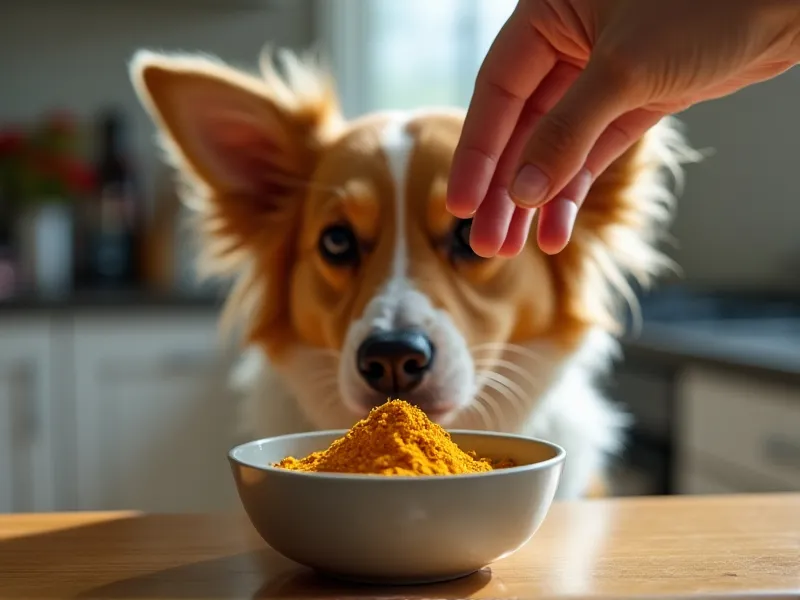
Table of Contents
- Can Dogs Eat Curry Powder? The Short Answer
- What’s Actually in Curry Powder?
- Potential Benefits of Curry Powder (If Any)
- The Risks: Why Curry Powder Isn’t Ideal for Dogs
- Guidelines: If You Must Share (Proceed with Caution)
- Healthier Alternatives to Curry Powder
- FAQ: Your Curry Powder Questions Answered
- Conclusion: Prioritize Your Dog’s Safety
Can Dogs Eat Curry Powder? The Short Answer
No, curry powder is generally not recommended for dogs. While some of its individual spices (like turmeric) have potential health benefits, the blend itself often contains ingredients that are toxic, irritating, or harmful to our canine companions. Even “mild” curry powders can cause stomach upset, and many include hidden dangers like onion or garlic powder—both of which are toxic to dogs.
In short: It’s better to skip the curry powder and opt for dog-safe alternatives instead.
What’s Actually in Curry Powder?
To understand why curry powder is risky, let’s first break down what’s in it. Curry powder isn’t a single spice—it’s a blend, and recipes vary by brand, region, and culture. Common ingredients include:
- Turmeric: A bright yellow spice with anti-inflammatory properties (more on this later!).
- Cumin: Earthy and slightly bitter; used for flavor.
- Coriander: Citrusy and mild.
- Chili powder or paprika: Adds heat (can be mild to spicy).
- Ginger: Warm and zesty.
- Fenugreek: Slightly sweet, nutty flavor.
- Salt: Often added for taste.
- Onion powder or garlic powder: Critical red flag! These are common in many commercial curry blends and are toxic to dogs.
The problem? Even if a curry powder is labeled “mild” or “dog-friendly” (spoiler: no such official label exists), it’s hard to guarantee it’s free of harmful ingredients. Most store-bought blends include onion or garlic powder to boost flavor—and those two spices are extremely dangerous for dogs.
Potential Benefits of Curry Powder (If Any)
At this point, you might be thinking: “But turmeric is in curry powder, and I’ve heard turmeric is good for dogs!” You’re not wrong—turmeric does have potential benefits. Let’s unpack the silver linings (and why they’re not enough to justify feeding curry powder).
Turmeric: The Star Spice
Turmeric contains curcumin, a compound with powerful anti-inflammatory and antioxidant properties. Some studies suggest curcumin may help with joint pain, allergies, and even cognitive health in dogs. However, curry powder isn’t the best way to give your dog turmeric. Why? Because curry powder dilutes curcumin with other spices (some harmful) and may include salt, chili, or toxic ingredients like onion powder.
Cumin and Coriander: Mild and Possibly Safe
In tiny, isolated amounts, cumin and coriander are generally not toxic to dogs. Some pet parents even add small amounts of cumin to their dog’s food to aid digestion (though research on this is limited). But again, in curry powder, these spices are mixed with others that can cause problems.
Fiber and Trace Nutrients
Spices like fenugreek and coriander contain small amounts of fiber and nutrients like iron or magnesium. But these are minimal—your dog would get far more fiber and nutrients from a handful of cooked carrots or sweet potatoes than from a pinch of curry powder.
The Risks: Why Curry Powder Isn’t Ideal for Dogs
The potential benefits are far outweighed by the risks. Here’s why curry powder is a no-go for most dogs:
1. Toxic Ingredients: Onion and Garlic Powder
Onions and garlic (in all forms—raw, cooked, powdered) contain thiosulphate, a compound that damages dogs’ red blood cells, leading to a condition called hemolytic anemia. Even small amounts can be harmful: For a 50-pound dog, just 1 ounce of onion powder can cause toxicity. Symptoms include weakness, lethargy, vomiting, diarrhea, and pale gums. In severe cases, it can be life-threatening.
Most commercial curry powders include onion or garlic powder to enhance flavor. Always check the label—but even if it says “no onions/garlic,” cross-contamination is possible in factories that process these ingredients.
2. Stomach Upset and Irritation
Spicy ingredients like chili powder or paprika can irritate your dog’s digestive tract, leading to vomiting, diarrhea, or stomach pain. Dogs have sensitive stomachs, and their taste buds aren’t designed for spicy foods—what’s mild to you might be fiery to them.
3. High Sodium Content
Many curry powders contain added salt, which can lead to sodium overload in dogs. Too much salt causes excessive thirst, urination, and in severe cases, sodium ion poisoning (symptoms: seizures, tremors, coma).
4. Allergic Reactions
Some dogs may be allergic to spices like cumin or fenugreek, leading to itching, hives, or swelling. Since curry powder is a blend, it’s hard to pinpoint the allergen if a reaction occurs.
5. Choking Hazard (If Not Diluted)
Curry powder is a fine, dry powder. If your dog sniffs or licks it directly from the jar, it could irritate their nose, throat, or lungs—leading to coughing, sneezing, or even choking (though this is rare with small amounts).
Guidelines: If You Must Share (Proceed with Caution)
We strongly recommend avoiding curry powder altogether. But if you’re set on sharing a tiny taste (e.g., your dog stole a pinch off the counter), here’s what to do:
Step 1: Check the Label Thoroughly
Scan the ingredients for onion powder, garlic powder, or excessive salt. If either is listed, do not let your dog eat it. Even “natural” or “organic” blends can contain these.
Step 2: Stick to a Minuscule Amount
If the curry powder is free of toxic ingredients, a tiny amount (think: 1/8 teaspoon for a large dog, 1/16 teaspoon for a small dog) mixed into their regular food is the absolute maximum. Never feed it plain or in large quantities.
Step 3: Monitor for Reactions
Watch your dog for 24 hours after feeding curry powder. Signs of trouble include vomiting, diarrhea, lethargy, loss of appetite, or excessive thirst. If you notice any of these, contact your vet immediately.
Healthier Alternatives to Curry Powder
Instead of curry powder, try these dog-safe spices and foods to boost your pup’s meals:
1. Pure Turmeric (with Black Pepper)
Skip the curry powder and go straight for pure turmeric. Mix 1/4 teaspoon (per 10 pounds of body weight) into your dog’s food daily, plus a pinch of black pepper (to help absorb curcumin). This gives them the benefits of curcumin without the added risks.
2. Fresh Ginger
Ginger is great for upset stomachs and has anti-inflammatory properties. Grate a tiny piece (no more than 1/4 teaspoon for small dogs, 1/2 teaspoon for large dogs) into their food.
3. Cooked Veggies
Carrots, sweet potatoes, green beans, and pumpkin are packed with fiber, vitamins, and antioxidants—way more than any spice blend. Steam or boil them plain (no salt, butter, or spices) and mix into your dog’s kibble.
4. Plain Yogurt (Unsweetened)
A spoonful of plain, unsweetened yogurt adds probiotics for gut health. Avoid flavors with added sugar or artificial sweeteners (like xylitol, which is toxic to dogs).
FAQ: Your Curry Powder Questions Answered
Q: My dog ate a spoonful of curry powder—should I panic?
A: Don’t panic, but act quickly. First, check the curry powder label for onion/garlic powder. If it contains either, call your vet or an emergency animal clinic immediately (even small amounts can be toxic). If no onion/garlic, monitor your dog for 24 hours for vomiting, diarrhea, or lethargy. If symptoms occur, contact your vet.
Q: Is turmeric in curry powder safe for dogs?
A: Turmeric itself is safe, but curry powder often has other ingredients (like onion powder) that aren’t. For turmeric benefits, use pure turmeric powder with black pepper instead of curry powder.
Q: Can dogs eat curry dishes (like chicken curry or vegetable curry)?
A: No. Curry dishes contain not just curry powder, but also salt, oil, spices, and often onions/garlic in the sauce. Even “mild” curries can cause stomach upset or toxicity.
Q: Are there any curry powders that are safe for dogs?
A: It’s nearly impossible to find a commercial curry powder guaranteed to be free of onion/garlic powder, salt, or chili. To be safe, avoid all curry powders and stick to single, dog-approved spices.
Conclusion: Prioritize Your Dog’s Safety
While curry powder might smell delicious, it’s best to keep it off your dog’s menu. The risk of toxic ingredients (onion/garlic powder), stomach upset, or sodium overload far outweighs any minor benefits. Instead, opt for dog-safe alternatives like pure turmeric, fresh ginger, or cooked veggies to add flavor and nutrition to their meals.
When in doubt, always consult your vet before introducing new foods to your dog’s diet. They can help you create a balanced, safe meal plan tailored to your pup’s needs. After all, the best way to show your dog love is by keeping them healthy—and that means sticking to foods you know are safe.
Your furry friend will thank you for it (with tail wags, of course!).
References
- American Society for the Prevention of Cruelty to Animals (ASPCA). “Onions, Garlic, Chives, and Leeks.” aspca.org/pet-care/animal-poison-control/toxic-and-non-toxic-plants/onions-garlic-chives-leeks
- PetMD. “Can Dogs Eat Spices? What You Need to Know.” petmd.com/dog/nutrition/can-dogs-eat-spices
- VCA Hospitals. “Turmeric for Dogs: Benefits, Risks, and Dosage.” vcahospitals.com/know-your-pet/turmeric-for-dogs
- World Small Animal Veterinary Association (WSAVA). “Nutrition Toolkit: Safe Human Foods for Dogs.” wsava.org/global-guidelines/nutrition-toolkit