· 9 min read
Can Dogs Eat Creatine? What Pet Parents Need to Know
You’re mid-workout, sipping your post-sweat protein shake, when your dog trots over, tail wagging, and gives you that “share with me” stare. You pause—creatine is a staple in your fitness routine, but is it something your furry friend should ever taste? As pet parents, we’re quick to want the best for our pups, but when it comes to human supplements, the line between “helpful” and “harmful” can get blurry. Let’s dive into the facts: Can dogs eat creatine, and if so, is it safe?
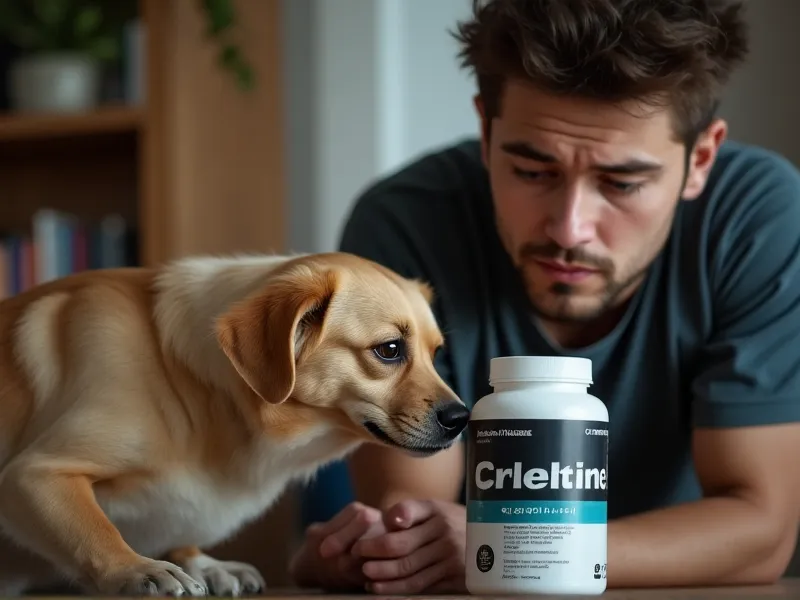
Table of Contents
- What is Creatine, Anyway?
- Can Dogs Eat Creatine? The Short Answer
- Potential Benefits of Creatine for Dogs (If Any)
- Risks of Feeding Creatine to Dogs
- How Much Creatine is Safe for Dogs? (If Any)
- Healthier Alternatives to Creatine for Dogs
- FAQ: Your Creatine Questions Answered
- Conclusion: Stick to What’s Natural
- References
What is Creatine, Anyway?
Before we jump into whether dogs can eat creatine, let’s clarify what it is. Creatine is a nitrogenous organic acid naturally produced in the human (and dog!) body, primarily in the liver, kidneys, and pancreas. It’s stored in muscle cells, where it helps regenerate adenosine triphosphate (ATP)—the body’s main energy source for short, high-intensity activities like sprinting or lifting weights.
In humans, creatine supplements are popular for boosting athletic performance, increasing muscle mass, and aiding recovery. They come in forms like creatine monohydrate (the most common), ethyl ester, or hydrochloride, often mixed into powders, pills, or shakes.
But here’s the thing: Dogs aren’t tiny humans. Their bodies process nutrients differently, and what works for us might not work for them. Let’s get to the big question.
Can Dogs Eat Creatine? The Short Answer
No, healthy dogs should not eat creatine supplements.
Dogs naturally produce all the creatine their bodies need, and they also get small amounts from their diet (think: meat, fish, and eggs—all staples of a balanced canine diet). For most pups, adding extra creatine via supplements offers zero proven benefits and carries real risks.
That said, there are rare cases where a veterinarian might recommend creatine for a dog with specific health issues (e.g., muscle wasting due to injury or disease). But even then, it’s prescribed in carefully controlled doses and monitored closely. For the average, healthy dog, though? Creatine supplements are unnecessary and potentially dangerous.
Potential Benefits of Creatine for Dogs (If Any)
Let’s start with the good news—if there is any. Creatine isn’t all bad, but its benefits for dogs are extremely limited and mostly theoretical. Here’s what we know:
1. Natural Creatine in Dog Food is Fine
Dogs already consume creatine in their regular diet. Meat, poultry, and fish are rich in natural creatine (e.g., beef has ~5g of creatine per kg, chicken ~3g/kg). Since dogs are omnivores with a bias toward meat, their bodies are designed to process this natural form efficiently. So, if your dog eats a high-quality, protein-rich diet, they’re already getting all the creatine they need.
2. Possible Use in Medical Settings
In very specific cases, veterinarians might explore creatine as a supportive therapy. For example:
- Muscle wasting disorders: Conditions like muscular dystrophy or sarcopenia (age-related muscle loss) could theoretically benefit from creatine, as it supports muscle cell energy. However, research in dogs is extremely limited—most studies focus on humans or lab animals.
- Neurological conditions: Some human studies suggest creatine may support brain health, but there’s no data proving this works in dogs.
Important note: These are not “benefits” for healthy dogs. They’re experimental uses for sick dogs under strict veterinary supervision.
Risks of Feeding Creatine to Dogs
Now, the critical part: The risks of giving your dog creatine supplements almost always outweigh any potential perks. Here’s why:
1. Dehydration and Electrolyte Imbalances
Creatine works by pulling water into muscle cells to support energy production. In humans, this is manageable with extra water intake—but dogs can’t tell you they’re thirsty, and excess creatine can quickly lead to dehydration. Symptoms include dry gums, lethargy, sunken eyes, or reduced urination.
Worse, dehydration can throw off electrolytes (sodium, potassium, magnesium), which regulate heart rate, muscle function, and hydration. Severe imbalances can cause seizures or even organ failure.
2. Kidney Strain
Your dog’s kidneys filter waste, including byproducts of creatine metabolism (like creatinine). When you add a supplement, you’re flooding their system with excess creatine, forcing the kidneys to work overtime. Over time, this can lead to kidney strain, especially in dogs with pre-existing kidney disease or older pups with declining renal function.
3. Gastrointestinal Upset
Creatine supplements are highly concentrated, and dogs’ stomachs aren’t built to handle large doses. Common side effects include:
- Nausea or vomiting
- Diarrhea or constipation
- Bloating or abdominal pain
Even small amounts (like a single scoop of your workout powder) can upset your dog’s stomach, leading to discomfort or loss of appetite.
4. Additives and Fillers in Supplements
Most human creatine supplements aren’t “pure.” They often contain additives like:
- Sugars (to improve taste—terrible for dogs’ teeth and weight)
- Artificial flavors or colors (linked to allergies or behavioral issues)
- Stimulants (like caffeine, which is toxic to dogs)
- Fillers (e.g., maltodextrin, which can spike blood sugar)
These extras are unnecessary for dogs and can cause more harm than the creatine itself.
5. Overdose Risk
Dogs are much smaller than humans, so even a “small” human dose can be dangerous. For example, a 500mg creatine pill (standard for humans) could be toxic to a 10-pound Chihuahua. Symptoms of overdose include muscle cramping, tremors, rapid breathing, or collapse.
How Much Creatine is Safe for Dogs? (If Any)
For healthy dogs, the answer is: None. There’s no “safe” dose of creatine supplements because they’re not needed. Your pup’s body makes and gets all the creatine it requires from food.
If your vet does recommend creatine for a specific medical condition (e.g., muscle wasting), they’ll calculate a precise dose based on your dog’s weight, health status, and the supplement’s form. Never guess—even a slight miscalculation could lead to harm.
What If My Dog Accidentally Ate Creatine?
Don’t panic, but act fast. If your dog raided your supplement stash, call your vet or an emergency animal poison hotline (like the ASPCA Poison Control Center at 888-426-4435) immediately. Be ready to share:
- Your dog’s weight
- The type of creatine (e.g., monohydrate, pill vs. powder)
- How much they might have eaten (check the container for serving size)
- Any symptoms they’re showing (vomiting, lethargy, etc.)
Healthier Alternatives to Creatine for Dogs
If you want to support your dog’s muscle health, energy, or overall fitness, skip the supplements. These natural alternatives are safer and more effective:
1. High-Quality Protein
Muscles need protein to grow and repair. Opt for dog foods with real meat (e.g., chicken, beef, salmon) as the first ingredient. For active dogs, look for formulas with 25-30% protein (check the label). Avoid “meat by-products”—these are low-quality and less digestible.
2. Omega-3 Fatty Acids
Omega-3s (found in salmon, sardines, or flaxseed) reduce inflammation, support joint health, and boost muscle recovery. Add a small amount of cooked salmon to their bowl, or ask your vet about fish oil supplements (safe and proven for dogs!).
3. Regular Exercise
The best way to build strong muscles? Move them! Daily walks, playtime (fetch, tug-of-war), or agility training help keep muscles toned and joints flexible. Aim for 30-60 minutes of activity per day, adjusted for your dog’s age and breed (e.g., a Border Collie needs more than a Pug).
4. Balanced Commercial Dog Food
Reputable dog food brands (e.g., Royal Canin, Hill’s Science Diet, or Orijen) are formulated to meet all of your dog’s nutritional needs, including creatine. You don’t need to add anything extra—just choose a formula tailored to their life stage (puppy, adult, senior) and activity level.
5. Glucosamine for Joint Support
If your dog is active or aging, glucosamine (found in bone broth, cartilage, or supplements) supports joint health, making it easier for them to stay mobile and build muscle. It’s far safer than creatine and has proven benefits for dogs.
FAQ: Your Creatine Questions Answered
Q: Can puppies eat creatine?
A: No. Puppies’ organs (kidneys, liver) are still developing, and their bodies are extra sensitive to supplements. Stick to their puppy-formulated food—they’ll get all the nutrients they need.
Q: My dog is a working dog (e.g., service dog, agility competitor). Should they take creatine?
A: Even active dogs don’t need creatine supplements. Their high-protein diet and regular exercise will support muscle energy naturally. If you’re concerned about performance, talk to a veterinary nutritionist about optimizing their diet instead.
Q: Is creatine ever added to dog food?
A: No. Commercial dog food relies on natural creatine from meat ingredients, not added supplements. There’s no need to fortify dog food with extra creatine, as dogs produce enough on their own.
Q: What if my dog has kidney disease—can creatine help?
A: No! In fact, creatine could worsen kidney disease by increasing the workload on already weakened kidneys. Never give creatine to a dog with kidney issues unless explicitly prescribed by a vet (and even then, it’s rare).
Conclusion: Stick to What’s Natural
At the end of the day, creatine supplements are a human invention for human goals. Dogs don’t need them, and they can cause real harm. Your pup’s body is perfectly designed to produce and process the creatine they need from their regular, protein-rich diet.
If you’re worried about your dog’s muscle health, energy, or overall fitness, focus on the basics: high-quality food, regular exercise, and annual vet checkups. And if you ever consider adding a supplement—creatine or otherwise—always consult your vet first. They’ll help you separate fact from fiction and keep your dog safe.
After all, the best thing you can give your dog isn’t a pill or powder—it’s love, playtime, and a balanced life.
Now go give your pup a belly rub (and maybe share a tiny piece of cooked chicken instead of your protein shake). They’ll thank you for it!
References
- American Kennel Club (AKC). (2023). Nutrition for Dogs: What’s in a Balanced Diet? [akc.org/nutrition]
- PetMD. (2022). Can Dogs Take Human Supplements? [petmd.com/dog/nutrition/can-dogs-take-human-supplements]
- Journal of Veterinary Internal Medicine. (2019). Creatine Supplementation in Veterinary Medicine: A Review. [doi.org/10.1111/jvim.15576]
- ASPCA Animal Poison Control Center. (2023). Human Supplements Toxic to Pets. [aspca.org/pet-care/animal-poison-control/toxic-and-non-toxic-plants/human-supplements]
- FDA. (2021). Dietary Supplements for Animals: What You Need to Know. [fda.gov/animal-veterinary/animal-health-literacy/dietary-supplements-animals-what-you-need-know]