· 8 min read
Can Dogs Eat Creamy Peanut Butter? The Ultimate Guide for Pet Parents
Picture this: You’re standing in the kitchen, jar of creamy peanut butter in hand, spreading a thick layer on your sandwich. Suddenly, a cold, wet nose nudges your wrist, and those big, soulful eyes lock onto yours. Your dog’s tail is thumping a mile a minute—they know something good is happening, and they want in. It’s a scenario many pet parents face daily: Can I share a little peanut butter with my pup?
Peanut butter is a staple in many households, loved for its creamy texture and nutty flavor. But when it comes to our four-legged friends, the question isn’t just “can they eat it?”—it’s “should they eat it, and how much is safe?” In this guide, we’ll break down everything you need to know about creamy peanut butter and dogs, from its potential benefits to hidden risks, plus tips for serving it safely. Let’s dive in!
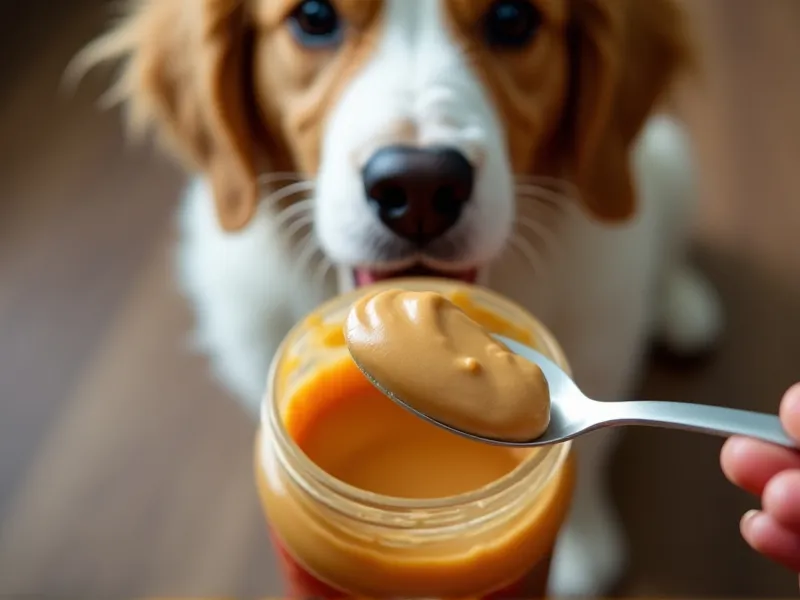
Table of Contents
- Can Dogs Eat Creamy Peanut Butter? The Short Answer
- The Benefits of Creamy Peanut Butter for Dogs
- The Risks of Feeding Creamy Peanut Butter to Dogs
- How Much Creamy Peanut Butter Can Dogs Safely Eat?
- Healthier Alternatives to Creamy Peanut Butter
- FAQ: Your Peanut Butter Questions Answered
- Conclusion: Enjoy the Treat (Responsibly!)
Can Dogs Eat Creamy Peanut Butter? The Short Answer
Yes, dogs can eat creamy peanut butter—but only if it’s xylitol-free.
That’s the golden rule. Xylitol, a sugar substitute found in some “sugar-free” or “low-sugar” peanut butters, is extremely toxic to dogs. Even small amounts can cause a dangerous drop in blood sugar (hypoglycemia) and liver failure. Always, always check the label for xylitol before sharing peanut butter with your pup.
Assuming the peanut butter is xylitol-free, creamy varieties are generally safe for dogs as an occasional treat. They’re a popular choice for hiding pills, stuffing puzzle toys, or just spoiling your dog with a little joy. But like all treats, moderation is key—and there are some risks to watch for, which we’ll cover next.
The Benefits of Creamy Peanut Butter for Dogs
When given safely, creamy peanut butter can offer some nutritional perks for your dog. Here’s why it might be more than just a tasty snack:
1. Protein for Muscle Health
Peanuts are rich in plant-based protein, which helps support your dog’s muscle growth, repair, and overall energy levels. A 2-tablespoon serving of peanut butter contains about 8 grams of protein—no small feat for a treat!
2. Healthy Fats for Skin and Coat
Peanut butter contains monounsaturated fats (the “good” fats), which support a shiny coat and healthy skin. These fats also help your dog absorb fat-soluble vitamins (like vitamin E) and provide a slow-release energy source.
3. Fiber for Digestive Health
Fiber is essential for keeping your dog’s digestive system running smoothly, and peanut butter has a small amount (about 2 grams per 2 tablespoons). Fiber helps regulate bowel movements and can even aid in weight management by promoting a feeling of fullness.
4. Vitamins and Minerals
Peanut butter is a source of key nutrients like:
- Vitamin E: An antioxidant that protects cells from damage and supports immune health.
- B Vitamins: Including niacin (B3) and folate (B9), which help convert food into energy and support brain function.
- Potassium: An electrolyte that regulates heart rhythm and muscle function.
The Risks of Feeding Creamy Peanut Butter to Dogs
While xylitol is the biggest red flag, there are other risks to consider when feeding your dog creamy peanut butter. Let’s break them down:
1. Xylitol Toxicity (The #1 Danger)
As mentioned, xylitol is deadly to dogs. It triggers a rapid release of insulin, causing blood sugar to plummet within 10–60 minutes. Symptoms include vomiting, loss of coordination, seizures, and even liver failure. If you suspect your dog ate peanut butter with xylitol, contact your vet or an emergency animal hospital immediately—don’t wait for symptoms to appear.
2. Added Sugars and Salt
Many commercial peanut butters (even non-xylitol ones) contain added sugars, corn syrup, or salt to enhance flavor. Too much sugar can lead to obesity, dental issues, or diabetes over time. Excess salt can cause sodium ion poisoning, leading to symptoms like vomiting, diarrhea, seizures, or even death in severe cases. Opt for “no added sugar” or “unsalted” varieties when possible.
3. High Fat Content (Pancreatitis Risk)
Peanut butter is high in fat (about 16 grams per 2 tablespoons). While healthy fats are good in moderation, too much can overwhelm your dog’s pancreas, leading to pancreatitis—a painful, potentially life-threatening inflammation. Dogs with a history of pancreatitis, obesity, or diabetes are especially at risk.
4. Choking Hazard
Creamy peanut butter is thick and sticky, which can pose a choking risk if given in large globs or to small dogs. Always serve it in small amounts, and avoid letting your dog gulp it down too quickly. Mixing it with a little water to thin it out or spreading it thinly on a toy can help reduce this risk.
How Much Creamy Peanut Butter Can Dogs Safely Eat?
The key word here is moderation. Peanut butter should be an occasional treat, not a daily staple. The amount depends on your dog’s size, weight, and overall health. Here’s a general guideline:
| Dog Size | Recommended Serving (Occasional Treat) |
|---|---|
| Small (5–20 lbs) | 1 teaspoon (about 5–10 calories) |
| Medium (21–50 lbs) | 1–2 teaspoons (10–20 calories) |
| Large (51–100+ lbs) | 2–3 teaspoons (20–30 calories) |
Note: These are rough estimates. Always adjust based on your dog’s individual needs (e.g., a less active dog may need smaller portions).
As a rule of thumb, treats (including peanut butter) should make up no more than 10% of your dog’s daily calorie intake. For example, a 30-pound dog eating 700 calories a day should have no more than 70 calories from treats—about 1–2 teaspoons of peanut butter.
If you’re unsure, check with your vet to determine the right amount for your pup.
Healthier Alternatives to Creamy Peanut Butter
If you want to mix up your dog’s treat routine (or avoid peanut butter altogether), here are some safer, nutrient-dense alternatives:
1. Unsalted, Unsweetened Almond Butter
Almond butter is lower in fat than peanut butter and rich in vitamin E and magnesium. Just stick to small portions (it’s still calorie-dense!) and avoid varieties with added sugars or salt.
2. Sunflower Seed Butter
A great option for dogs with nut allergies! Sunflower seed butter is high in protein, vitamin E, and selenium, and it’s usually smooth and easy to digest.
3. Pumpkin Puree (Unsweetened)
Canned pumpkin (not pumpkin pie filling!) is low in calories, high in fiber, and great for upset tummies. It’s a favorite for stuffing Kongs or mixing into meals.
4. Plain Greek Yogurt
Look for unsweetened, unflavored Greek yogurt (no xylitol!) for a protein-packed treat. It’s also a good source of probiotics, which support gut health.
5. Mashed Banana
A natural, sweet treat rich in potassium and fiber. Mash a small piece and mix with a little water for a creamy texture—dogs love it!
FAQ: Your Peanut Butter Questions Answered
Q: Is crunchy peanut butter safe for dogs?
A: Yes, but it comes with a higher choking risk due to the peanut chunks. If you choose crunchy, serve it in tiny amounts and supervise your dog while they eat.
Q: Can puppies eat creamy peanut butter?
A: Yes, as long as it’s xylitol-free and introduced slowly. Puppies have sensitive tummies, so start with a tiny amount (1/4 teaspoon for small breeds) to avoid stomach upset.
Q: What if my dog ate peanut butter with xylitol?
A: Act fast! Xylitol toxicity can be fatal. Call your vet or an emergency animal hospital immediately. They may induce vomiting or administer IV fluids to stabilize blood sugar.
Q: Is organic peanut butter better for dogs?
A: Organic varieties often have fewer additives (like preservatives or added sugars), which is a plus. But always check the label for xylitol—organic doesn’t automatically mean xylitol-free.
Q: Can I use peanut butter to give my dog pills?
A: Absolutely! It’s a popular trick—just wrap the pill in a small piece of peanut butter (about the size of a pea) to mask the taste.
Q: My dog has diabetes. Can they still have peanut butter?
A: Maybe, but check with your vet first. Peanut butter has natural sugars and fat, which can affect blood sugar levels. Your vet may recommend very small portions or suggest an alternative treat.
Conclusion: Enjoy the Treat (Responsibly!)
Creamy peanut butter can be a fun, tasty treat for your dog—when done right. Just remember to:
✅ Always check the label for xylitol (it’s toxic!).
✅ Choose unsalted, no-added-sugar varieties when possible.
✅ Serve in small, occasional portions (no more than 10% of daily calories).
✅ Watch for choking hazards, especially in small dogs.
If you’re ever unsure about whether peanut butter is right for your dog (e.g., if they have health issues like pancreatitis or obesity), don’t hesitate to consult your vet. They can help you tailor treats to your pup’s unique needs.
At the end of the day, sharing a tiny spoonful of creamy peanut butter with your dog is about more than just a snack—it’s a moment of joy, connection, and that tail-wagging happiness we all love. So go ahead—indulge those puppy eyes (responsibly, of course!). Your dog will thank you.
References
- American Kennel Club (AKC). “Can Dogs Eat Peanut Butter?” akc.org
- ASPCA. “Xylitol Toxicity in Dogs.” aspca.org
- PetMD. “Peanut Butter for Dogs: Benefits and Risks.” petmd.com
- Veterinary Centers of America (VCA). “Pancreatitis in Dogs.” vcahospitals.com