· 8 min read
Can Dogs Eat Cream of Mushroom Soup? What Pet Parents Need to Know
It’s a chilly evening, and you’re curled up with a warm bowl of creamy mushroom soup. Across the room, your dog sits, tail thumping, eyes locked on your spoon. “Just a little taste?” you wonder. After all, mushrooms are supposed to be healthy, right? But before you scoop a spoonful into their bowl, let’s dive into the real question: Can dogs eat cream of mushroom soup?
The answer isn’t as simple as “yes” or “no.” While some ingredients might sound harmless, others could put your pup’s health at risk. In this guide, we’ll break down the benefits (if any), the risks, and safer alternatives to keep your dog happy and healthy.
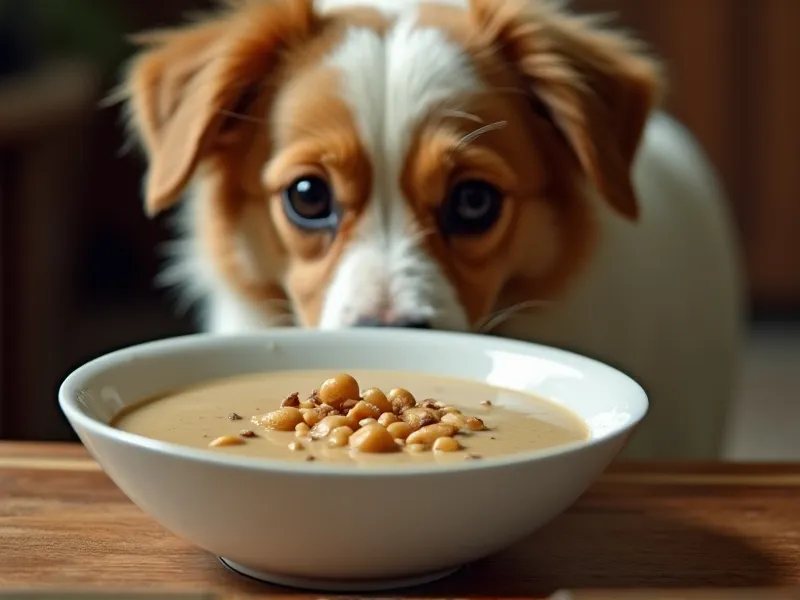
Table of Contents
- Can Dogs Eat Cream of Mushroom Soup? The Short Answer
- Potential Benefits: Are There Any Upsides?
- The Risks: Why Cream of Mushroom Soup Is Often a No-Go
- Safe Guidelines: If You’re Tempted to Share
- Healthier Alternatives to Cream of Mushroom Soup
- FAQ: Your Questions Answered
- Conclusion: Prioritize Your Pup’s Health
Can Dogs Eat Cream of Mushroom Soup? The Short Answer
Most of the time, no—cream of mushroom soup is not safe for dogs.
Store-bought, restaurant, or even homemade versions often contain ingredients that are toxic, hard to digest, or harmful in large quantities. While plain, cooked mushrooms (of the non-toxic variety) can be a healthy occasional treat, the “cream” and other additives in the soup are where the trouble starts.
That said, very specific homemade batches (with zero harmful ingredients) might be safe in tiny amounts. But even then, it’s rarely worth the risk. Let’s unpack why.
Potential Benefits: Are There Any Upsides?
Before we focus on the risks, let’s acknowledge the elephant in the room: Are there any benefits to dogs eating cream of mushroom soup?
In theory, plain, cooked mushrooms (like button, cremini, or portobello) can offer some nutritional perks. These mushrooms are non-toxic to dogs and contain:
- Fiber: Supports digestion and keeps your dog’s gut healthy.
- Potassium: Aids in muscle function, nerve health, and maintaining healthy blood pressure.
- Antioxidants: Compounds like selenium and ergothioneine help fight inflammation and support the immune system.
However, these benefits are only true for mushrooms that are:
- Fresh and unprocessed (no added seasonings).
- From a safe, non-toxic species (more on that later).
- Cooked thoroughly (raw mushrooms are hard to digest and may harbor bacteria).
The problem? Cream of mushroom soup isn’t just mushrooms. It’s a mix of cream, broth, seasonings, and often hidden additives—all of which can overshadow any tiny nutritional upsides.
The Risks: Why Cream of Mushroom Soup Is Often a No-Go
Let’s get to the critical part: why cream of mushroom soup is usually unsafe for dogs. Here are the biggest red flags:
1. Dairy: Lactose Intolerance in Dogs
Most cream of mushroom soups rely on heavy cream, milk, or half-and-half for that rich texture. But here’s the thing: most adult dogs are lactose intolerant.
Dogs (like many humans) lose the enzyme lactase as they age, which helps digest lactose (the sugar in milk). Without it, dairy can cause:
- Upset stomach (gas, bloating).
- Diarrhea or vomiting.
- Abdominal pain.
Even “lactose-free” dairy products (like some store-bought creams) may still contain traces of lactose or added sugars, making them risky.
2. High Sodium: A Hidden Danger
Sodium is a staple in canned and restaurant soups—often in shockingly high amounts. For example, a single cup of store-bought cream of mushroom soup can contain 500–800 mg of sodium.
Why does that matter? Dogs need only 100–200 mg of sodium per day (depending on size). Excess sodium can lead to:
- Dehydration.
- Increased thirst and urination.
- Sodium ion poisoning (symptoms: vomiting, diarrhea, tremors, seizures, even death in severe cases).
- Long-term issues like high blood pressure or kidney damage.
3. Added Sugars: Empty Calories
Some soups (especially “creamy” or “premium” brands) add sugar to enhance flavor. Even a small amount can be problematic:
- Obesity: Extra sugar leads to weight gain, which raises the risk of diabetes and joint pain.
- Dental issues: Sugar feeds harmful bacteria in your dog’s mouth, causing cavities and gum disease.
- Blood sugar spikes: For dogs with diabetes, this can be life-threatening.
4. Onions and Garlic: Toxic to Dogs
Many cream of mushroom soups include onions, garlic, or onion powder for depth of flavor. These ingredients are extremely toxic to dogs, even in small amounts.
Onions and garlic contain thiosulphate, a compound that destroys red blood cells, leading to hemolytic anemia. Symptoms include:
- Weakness or lethargy.
- Pale gums.
- Rapid breathing or heart rate.
- Dark, discolored urine.
In severe cases, anemia can be fatal if not treated promptly.
5. Toxic Mushrooms: A Deadly Gamble
Not all mushrooms are safe! While common varieties like button, cremini, or shiitake are non-toxic, wild mushrooms (like Amanita, which resembles “edible” species) are deadly.
Many soups (especially homemade or from restaurants) may use foraged or “exotic” mushrooms, which are impossible to verify as safe. Even a tiny bite of a toxic mushroom can cause organ failure or death in dogs.
6. Choking Hazards: Chunks and Texture
If the soup contains large mushroom chunks or undercooked vegetables, it could pose a choking risk—especially for small dogs or those who gulp their food.
The bottom line: The risks of cream of mushroom soup (dairy, sodium, toxins, etc.) almost always outweigh any minor benefits from mushrooms.
Safe Guidelines: If You’re Tempted to Share
Let’s say you’re still curious: Is there any scenario where sharing a tiny bit of cream of mushroom soup is okay?
In very specific cases, a homemade, highly modified version might be safe as an occasional treat. Here’s how to minimize risk:
✅ Use Only Safe Mushrooms
Stick to common, grocery-store mushrooms: button, cremini, portobello, or shiitake. Avoid wild mushrooms, truffles, or “exotic” varieties (even if labeled “edible”).
✅ Skip the Dairy
Replace cream/milk with water or low-sodium vegetable broth (no onions/garlic!). This eliminates lactose issues.
✅ No Added Salt, Sugar, or Seasonings
Seasonings like garlic powder, onion flakes, or even black pepper can irritate your dog’s stomach. Keep it plain.
✅ Cook Mushrooms Thoroughly
Raw mushrooms are hard to digest and may carry bacteria. Sauté or boil them until soft, then mash into a smooth consistency (no large chunks).
✅ Limit Portion Size
Even with these changes, only offer a tiny amount:
- Small dogs: 1–2 teaspoons.
- Medium dogs: 1–2 tablespoons.
- Large dogs: 2–3 tablespoons.
And only once in a blue moon—not as a regular treat.
❌ When to Say “No”
Never share soup if:
- It’s store-bought, canned, or from a restaurant (unknown ingredients).
- It contains onions, garlic, dairy, salt, or sugar.
- Your dog has a history of digestive issues, kidney problems, or diabetes.
Healthier Alternatives to Cream of Mushroom Soup
Instead of risking cream of mushroom soup, try these dog-safe alternatives that offer the same cozy vibe—without the hazards:
1. Plain Cooked Mushrooms
Sauté a few button mushrooms in a tiny bit of olive oil (no salt!), then let them cool. Offer 1–2 pieces as a treat. Mushrooms are low-calorie and packed with fiber/potassium.
2. Low-Sodium Bone Broth
Simmer chicken or beef bones (with no onions/garlic) to make a rich, low-sodium broth. Pour a splash over your dog’s kibble for extra flavor and hydration. Bone broth is gentle on tummies and great for joint health.
3. Pumpkin Soup (Dog-Friendly Version)
Mix cooked, plain pumpkin (not pie filling!) with a little water or bone broth. Pumpkin is high in fiber and helps soothe upset stomachs.
4. Green Bean “Soup”
Blend cooked green beans with water to make a savory, low-calorie “soup.” Green beans are a great source of vitamins A, C, and K.
5. Carrot and Apple Stew
Cook diced carrots and apples in water until soft, then mash. This sweet, fiber-rich mix is safe and delicious for dogs (no added sugar needed!).
FAQ: Your Questions Answered
Q: My dog ate a spoonful of store-bought cream of mushroom soup. Should I panic?
A: Stay calm, but monitor them closely. If the soup contained onions/garlic, contact your vet immediately—even a small amount can be toxic. For other ingredients (dairy, sodium), watch for symptoms like vomiting, diarrhea, or excessive thirst. If symptoms appear, call your vet.
Q: Are all mushrooms in soup toxic to dogs?
A: No—common mushrooms like button or cremini are safe. The danger is toxic species (e.g., Amanita, death cap) that may be mixed in, especially in homemade or foraged soups. Store-bought soups rarely use toxic mushrooms, but they still have other risks (dairy, salt).
Q: Can puppies eat cream of mushroom soup?
A: Puppies have sensitive tummies and developing organs, so even small amounts of dairy, salt, or toxins are riskier. It’s best to avoid entirely.
Q: What if my dog loves mushrooms? Can I give them mushroom supplements?
A: Stick to fresh, cooked mushrooms as an occasional treat. Mushroom supplements (e.g., reishi, chaga) may have benefits, but always consult your vet first—dosages matter, and some supplements contain additives.
Q: Is cream of chicken soup safer than cream of mushroom?
A: Not necessarily. Cream of chicken soup often contains the same risks: dairy, high sodium, and sometimes onions/garlic. Always check the label!
Conclusion: Prioritize Your Pup’s Health
While it’s tempting to share your favorite comfort food with your dog, cream of mushroom soup is rarely worth the risk. The dairy, sodium, hidden toxins (onions/garlic), and potential for toxic mushrooms make it a recipe for trouble.
Instead, opt for safer alternatives like plain cooked mushrooms, low-sodium bone broth, or pumpkin soup. And when in doubt, always consult your vet before introducing new foods to your dog’s diet.
Your pup’s wagging tail and healthy belly are worth skipping that spoonful of soup. After all, the best treats are the ones that keep them happy and safe!
References
- American Society for the Prevention of Cruelty to Animals (ASPCA). “Toxic and Non-Toxic Plants: Mushrooms.” aspca.org
- VCA Animal Hospitals. “Lactose Intolerance in Dogs.” vcahospitals.com
- PetMD. “Onion Poisoning in Dogs.” petmd.com
- American Kennel Club (AKC). “Dog Nutrition: What’s the Best Diet for Your Dog?” akc.org