· 7 min read
Can Dogs Eat Cream of Mushroom Soup? What Pet Parents Need to Know
It’s a chilly weeknight, and you’re curled up with a steaming bowl of cream of mushroom soup—rich, creamy, and comforting. Beside you, your dog sits, tail wagging furiously, nose twitching at the savory aroma. Those big, pleading eyes seem to say, “Share a bite?” Before you cave, you pause: Is cream of mushroom soup safe for dogs?
As pet parents, we want to spoil our pups, but their health always comes first. In this guide, we’ll break down the risks and (limited) benefits of cream of mushroom soup for dogs, share safer alternatives, and answer your most pressing questions. Let’s dig in!
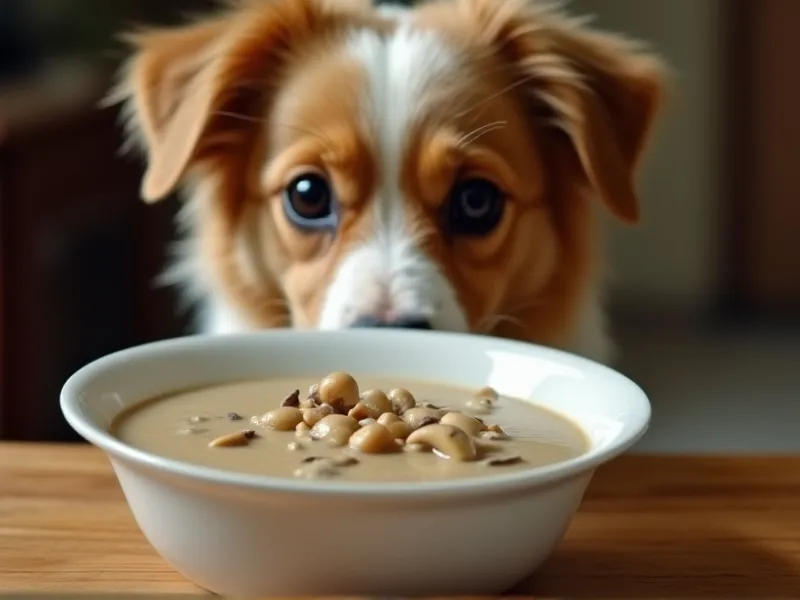
Table of Contents
- Introduction
- Can Dogs Eat Cream of Mushroom Soup? (The Short Answer)
- Potential Benefits of Mushrooms for Dogs
- Risks of Cream of Mushroom Soup for Dogs
- How Much Cream of Mushroom Soup Can Dogs Eat? (If Any)
- Healthier Alternatives to Cream of Mushroom Soup
- FAQ: Your Questions Answered
- Conclusion
Can Dogs Eat Cream of Mushroom Soup? (The Short Answer)
No, cream of mushroom soup is not safe for dogs. While plain, cooked mushrooms (like button or cremini) can be a healthy occasional treat, the soup itself is packed with harmful ingredients that outweigh any potential benefits. From high sodium and dairy to hidden toxins like onion or garlic, cream of mushroom soup poses significant risks to your pup’s health.
Potential Benefits of Mushrooms for Dogs
Before we dive into the risks, let’s clarify: mushrooms themselves (when safe, plain, and cooked) can offer some nutritional perks for dogs. However, these benefits are not present in cream of mushroom soup—so don’t let the “mushroom” in the name fool you! Here’s what plain mushrooms bring to the table:
1. Fiber for Digestive Health
Mushrooms are a good source of dietary fiber, which supports healthy digestion by promoting regular bowel movements and feeding beneficial gut bacteria. For dogs with occasional constipation, a small amount of cooked mushroom (without additives) might help—though it’s not a substitute for a balanced diet.
2. Potassium for Heart and Muscle Function
Potassium is an essential mineral that helps regulate blood pressure, muscle contractions, and nerve function. Mushrooms contain potassium, which can support your dog’s cardiovascular health and energy levels.
3. B Vitamins for Energy and Brain Health
Mushrooms are rich in B vitamins (like riboflavin, niacin, and pantothenic acid), which play a key role in converting food into energy. They also support brain function and a healthy coat.
4. Antioxidants to Fight Oxidative Stress
Certain mushrooms (like shiitake or maitake) contain antioxidants, which help neutralize harmful free radicals and reduce inflammation. This may support long-term health and immune function.
Key Note: These benefits only apply to plain, cooked, non-toxic mushroom varieties (e.g., button, cremini, portobello, shiitake). Cream of mushroom soup, however, dilutes these benefits with unhealthy additives—making it a poor choice for your pup.
Risks of Cream of Mushroom Soup for Dogs
Now, let’s get to the critical part: why cream of mushroom soup is a no-go. Most store-bought or homemade versions contain ingredients that are dangerous or unhealthy for dogs, even in small amounts.
1. High Sodium: A Recipe for Sodium Ion Poisoning
Canned or jarred cream of mushroom soup is notoriously high in sodium. A single cup can contain 800–1,000 mg of sodium—that’s more than 8 times the daily recommended amount for a 30-pound dog (who needs only ~100 mg/day). Excess sodium can lead to:
- Extreme thirst and urination
- Vomiting or diarrhea
- Lethargy or weakness
- Seizures or tremors (in severe cases)
- Long-term issues like high blood pressure or kidney damage
2. Dairy: Lactose Intolerance and Digestive Upset
Most cream of mushroom soups include milk, cream, or cheese—all dairy products. The majority of dogs are lactose intolerant, meaning they lack the enzyme (lactase) needed to digest lactose. This can cause:
- Bloating, gas, or stomach cramps
- Diarrhea or vomiting
- Discomfort or dehydration
3. Hidden Toxins: Onion and Garlic Powder
Many soups (even “mild” ones) use onion or garlic powder as seasonings to boost flavor. Both onions and garlic belong to the Allium family, which is toxic to dogs. Even small amounts can damage red blood cells, leading to hemolytic anemia—a condition where the body can’t carry oxygen properly. Symptoms include:
- Pale gums
- Weakness or lethargy
- Rapid breathing
- Dark, discolored urine
4. Added Sugars: Empty Calories and Weight Gain
Some soups contain added sugars or sweeteners to balance flavor. Dogs have no nutritional need for sugar, and excess calories can lead to obesity, diabetes, or dental issues.
5. Thickening Agents: Choking or Blockage Risks
Soup often uses flour, cornstarch, or modified food starch to thicken it. These can be hard for dogs to digest and, if the soup has large mushroom chunks, pose a choking hazard—especially for small breeds.
How Much Cream of Mushroom Soup Can Dogs Eat? (If Any)
None. Even a small bowl of cream of mushroom soup can harm your dog. Accidental licks (e.g., a drop from your spoon) are unlikely to cause severe issues, but intentional feeding is never safe.
If your dog does sneak a larger amount (e.g., raiding the trash or finishing your leftover bowl), monitor them closely for 24 hours. Watch for symptoms like vomiting, diarrhea, lethargy, or pale gums. If you notice any red flags, contact your vet immediately.
Healthier Alternatives to Cream of Mushroom Soup
If your dog loves mushrooms, there are safer ways to share the flavor without the risks. Here are vet-approved alternatives:
1. Plain, Cooked Mushrooms
Serve a small amount (1–2 bite-sized pieces for small dogs, 3–4 for large dogs) of cooked, unseasoned mushrooms. Stick to safe varieties: button, cremini, portobello, or shiitake. Avoid wild mushrooms (many are toxic!) and never serve raw mushrooms (they’re hard to digest).
2. Homemade Mushroom Broth
Simmer plain mushrooms in low-sodium water, strain, and let cool. A spoonful of this broth can add flavor to your dog’s kibble—just skip the salt, onion, or garlic.
3. Roasted Veggie Mix
Toss mushrooms with other dog-safe veggies (carrots, green beans, sweet potatoes) and roast them in the oven with a tiny drizzle of olive oil. This makes a crunchy, nutrient-packed treat.
4. Commercial Dog Treats with Mushrooms
Look for high-quality dog treats that list mushrooms (like shiitake) as an ingredient. Brands like Wellness or Zuke’s offer mushroom-infused options designed for canine health.
FAQ: Your Questions Answered
Q: My dog ate a lick of my cream of mushroom soup—should I panic?
A: A tiny lick is unlikely to cause harm, but monitor them for 24 hours. If they develop vomiting, diarrhea, or lethargy, contact your vet.
Q: Are all mushrooms toxic to dogs?
A: No! Only wild mushrooms (like Amanita or Death Cap) are toxic. Store-bought varieties (button, cremini, portobello) are safe when cooked and plain. Always avoid foraging wild mushrooms for your dog.
Q: Can dogs have mushroom soup without onion or garlic?
A: Even if you make “dog-friendly” soup without onion/garlic, it will still contain high sodium, dairy, or thickeners. It’s better to skip the soup entirely.
Q: What if my dog is lactose-tolerant—can they have the cream?
A: Lactose tolerance is rare in dogs, and even tolerant pups can experience digestive upset from the high fat in cream. It’s not worth the risk.
Conclusion
While cream of mushroom soup might smell irresistible, it’s best to keep it off your dog’s menu. The high sodium, dairy, and hidden toxins like onion or garlic make it a dangerous choice, even in small amounts.
If your pup craves mushrooms, opt for plain, cooked varieties as an occasional treat—always in moderation and under your vet’s guidance. Remember, when it comes to sharing human food, “better safe than sorry” is the golden rule.
Your dog’s health is worth more than a moment of begging eyes. When in doubt, consult your vet—they can help you choose treats that are both delicious and safe for your furry friend.
Stay warm, stay safe, and keep those soup bowls out of paw’s reach!
References
- American Society for the Prevention of Cruelty to Animals (ASPCA). (n.d.). Toxic and Non-Toxic Plants: Mushrooms.
- American Kennel Club (AKC). (2023). Can Dogs Eat Mushrooms?.
- PetMD. (2023). Sodium Ion Poisoning in Dogs.
- Veterinary Centers of America (VCA). (n.d.). Onion Toxicity in Dogs.