· 7 min read
Can Dogs Eat Cream of Chicken Soup? A Pet Parent’s Guide to Warm, Safe Treats
It’s a crisp fall afternoon, and you’re curled up with a steaming bowl of cream of chicken soup—comfort in a mug. Beside you, your dog sits, tail thumping gently, eyes locked on your spoon. “Just a little taste?” you wonder. After all, it’s warm, savory, and so tempting to share. But before you dip that spoon toward their eager mouth, let’s pause: Can dogs eat cream of chicken soup safely?
As pet parents, we want to spoil our pups, but not at the cost of their health. Cream of chicken soup seems harmless, but store-bought versions (and even some homemade recipes) can hide hidden risks. In this guide, we’ll break down the facts: the potential benefits, the dangers to avoid, and how to share this cozy treat responsibly. Let’s dive in!
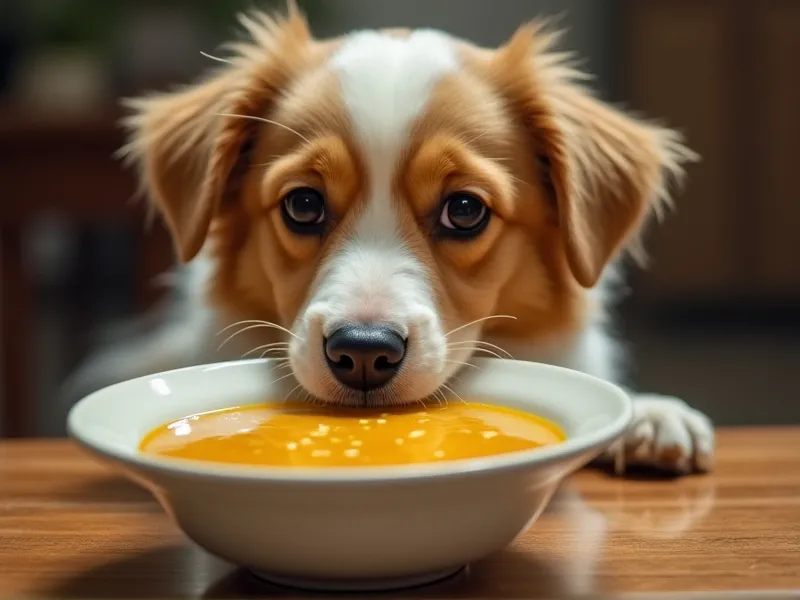
Table of Contents
- Can Dogs Eat Cream of Chicken Soup? The Short Answer
- Potential Benefits of Cream of Chicken Soup for Dogs
- Risks to Watch Out For: Why Not All Soups Are Safe
- How Much Cream of Chicken Soup Can Dogs Eat? Guidelines
- Healthier Alternatives to Cream of Chicken Soup
- FAQ: Your Top Questions Answered
- Conclusion: Warmth Without Worry
Can Dogs Eat Cream of Chicken Soup? The Short Answer
Yes, but with big caveats. Cream of chicken soup is not inherently toxic to dogs, but its safety depends entirely on the ingredients and preparation. Most store-bought versions are loaded with salt, preservatives, and even toxic additives (like onions or garlic), making them unsafe. However, a plain, homemade batch (no harmful ingredients, low sodium) can be a occasional, small treat for healthy dogs.
Think of it like human junk food vs. home cooking: the difference is night and day for your pup’s health!
Potential Benefits of Cream of Chicken Soup for Dogs
When made right, cream of chicken soup can offer a few mild benefits. Let’s break them down:
1. Nutrients from Chicken & Veggies
Chicken is a lean protein source, which helps support muscle health, energy, and a shiny coat. If your soup includes dog-safe veggies like carrots, celery, or peas, you’re adding fiber (aids digestion) and vitamins (A, K, and C, for immune support and vision).
2. Hydration & Electrolytes
The broth base (if low-sodium) can help keep your dog hydrated, especially on hot days or if they’re under the weather. Broth also contains electrolytes like potassium, which supports heart and muscle function.
3. Comfort Food for Picky Eaters or Sick Dogs
If your dog is feeling under the weather or refusing kibble, a small spoonful of warm, plain soup (minus the cream, if dairy-sensitive) might entice them to eat. The warmth and aroma can be soothing—just like it is for us!
Risks to Watch Out For: Why Not All Soups Are Safe
Now, the not-so-good news: most cream of chicken soups (especially store-bought) pose significant risks. Here’s what to avoid:
1. High Sodium: A Hidden Danger
Store-bought soups are loaded with salt. For example, a single cup of canned cream of chicken soup can contain 800–1,200 mg of sodium. Dogs need only about 100 mg of sodium per kg of body weight daily (e.g., a 30-lb dog needs ~1,360 mg total). Feeding even a small bowl could push them over their limit, leading to:
- Dehydration
- Kidney strain
- High blood pressure
- In severe cases, sodium ion poisoning (symptoms: vomiting, diarrhea, seizures).
2. Toxic Additives: Onions, Garlic, and More
Many soups include onions, garlic, or onion powder for flavor. These belong to the allium family, which is toxic to dogs—even in small amounts. They damage red blood cells, leading to anemia (symptoms: lethargy, pale gums, weakness).
Other risky additives:
- Sugar: Some soups add sugar for “sweetness,” which can cause obesity, dental issues, or diabetes.
- Artificial preservatives/colors: These offer no nutritional value and may trigger allergies.
3. Dairy (Lactose Intolerance)
The “cream” in cream of chicken soup often comes from milk, heavy cream, or butter. Most adult dogs are lactose intolerant—their bodies don’t produce enough lactase to digest dairy. This can lead to:
- Stomach upset (gas, bloating)
- Diarrhea
- Vomiting
Puppies may tolerate small amounts, but it’s still not worth the risk for most dogs.
4. Choking Hazards
Large chunks of chicken, veggies, or (heaven forbid) bones in the soup can pose choking risks, especially for small dogs or fast eaters. Even boneless chicken can be a problem if not chopped finely!
How Much Cream of Chicken Soup Can Dogs Eat? Guidelines
If you want to share a tiny taste of homemade soup with your dog, follow these rules:
1. Stick to Homemade (and Simple!)
Make a batch from scratch with:
- Boneless, skinless chicken breast (cooked and chopped fine)
- Dog-safe veggies (carrots, celery, peas—no onions/garlic)
- Low-sodium chicken broth (or water)
- No salt, butter, cream, or seasonings
Skip the dairy entirely, or use a tiny splash of lactose-free milk if your dog tolerates it (test with a teaspoon first!).
2. Portion Control Is Key
Soup should be a treat, not a meal. A good rule:
- Small dogs (under 20 lbs): 1–2 tablespoons
- Medium dogs (20–50 lbs): 2–4 tablespoons
- Large dogs (50+ lbs): 4–6 tablespoons
Serve it warm (not hot!) and mix it with their regular food, or offer it alone as a special snack.
3. Avoid If Your Dog Has Health Issues
Skip soup if your dog has:
- Kidney disease (can’t process extra sodium)
- Diabetes (sugar risks)
- Lactose intolerance
- A sensitive stomach (history of GI issues)
4. Introduce Slowly
Start with a tiny amount (1 teaspoon for small dogs) and watch for 24 hours. If they show no signs of upset (diarrhea, vomiting, gas), you can offer a bit more next time.
Healthier Alternatives to Cream of Chicken Soup
If you want to treat your dog to something warm and tasty without the risks, try these safer options:
1. Homemade Chicken Broth (No Cream)
Simmer chicken bones (with meat) and dog-safe veggies in water for 2–3 hours. Strain, let cool, and serve. It’s hydrating, nutrient-dense, and low in sodium.
2. Bone Broth
Even better than regular broth! Bone broth is rich in collagen (joint health), glucosamine, and minerals. Look for store-bought versions labeled “low sodium, no onions/garlic,” or make your own.
3. Plain Cooked Chicken + Veggies
Skip the soup altogether! A few bites of boiled chicken and mashed carrots make a protein-packed, easy-to-digest snack.
4. Pumpkin Soup (No Spices)
Canned pumpkin (not pie filling!) mixed with a little water or broth is a hit with dogs. It’s high in fiber (great for digestion) and low in calories.
5. Baby Food (Stage 1, Plain)
Check labels for plain chicken or turkey baby food (no onions, garlic, or salt). It’s a quick, mess-free option for picky eaters or sick pups.
FAQ: Your Top Questions Answered
Q: Can puppies eat cream of chicken soup?
A: It’s best to avoid it. Puppies have sensitive tummies, and dairy/lactose can cause diarrhea. Stick to their puppy food for balanced nutrition.
Q: My dog accidentally ate store-bought cream of chicken soup. What should I do?
A: Don’t panic! Monitor them for 24 hours. If they show symptoms (vomiting, diarrhea, lethargy, excessive thirst), call your vet. Most dogs will be fine, but large amounts of salt/onions require immediate care.
Q: Is cream of mushroom soup safe for dogs?
A: No! Many mushrooms are toxic to dogs, and the soup often contains onions/garlic. Avoid all mushroom soups.
Q: Can dogs have the “cream” part if I use lactose-free milk?
A: Maybe, but it’s unnecessary. Lactose-free milk is still high in fat and calories. Save it for rare treats, and only if your dog tolerates it.
Q: Is cream of chicken soup good for dogs with an upset stomach?
A: Plain, low-sodium broth (no cream, veggies, or chicken) might help soothe a tummy. But always check with your vet first—they may recommend a bland diet (boiled chicken + rice) instead.
Conclusion: Warmth Without Worry
So, can dogs eat cream of chicken soup? Yes, but only plain, homemade versions in tiny amounts. Store-bought soups are off-limits due to salt, toxins, and dairy risks. When in doubt, opt for safer alternatives like bone broth or plain cooked chicken.
At the end of the day, the best treat for your dog is your love—and maybe a warm, homemade snack now and then. When sharing human food, always prioritize their health: check ingredients, keep portions small, and consult your vet if you’re unsure.
Stay cozy, and happy snacking with your pup!
Sources: