· 9 min read
Can Dogs Eat Cranberry Sauce? A Pet Parent’s Guide to Holiday Treats
It’s Thanksgiving, and your kitchen is filled with the warm aroma of roasted turkey and cinnamon. Your pup, tail thumping, sits politely (okay, eagerly) by your feet, eyes locked on the bowl of glistening cranberry sauce you just spooned onto the table. You’ve shared a tiny bite of turkey before (no skin, of course!), but cranberry sauce? It’s sweet, tangy, and so festive—but is it safe for your four-legged family member?
If you’ve ever found yourself asking, “Can dogs eat cranberry sauce?” you’re not alone. As pet parents, we want to include our dogs in life’s little joys, especially during the holidays. But when it comes to human foods, “safe” and “unsafe” can feel like a minefield. Let’s break down the facts: what’s in cranberry sauce, how it affects dogs, and whether that holiday staple deserves a spot in your pup’s bowl.
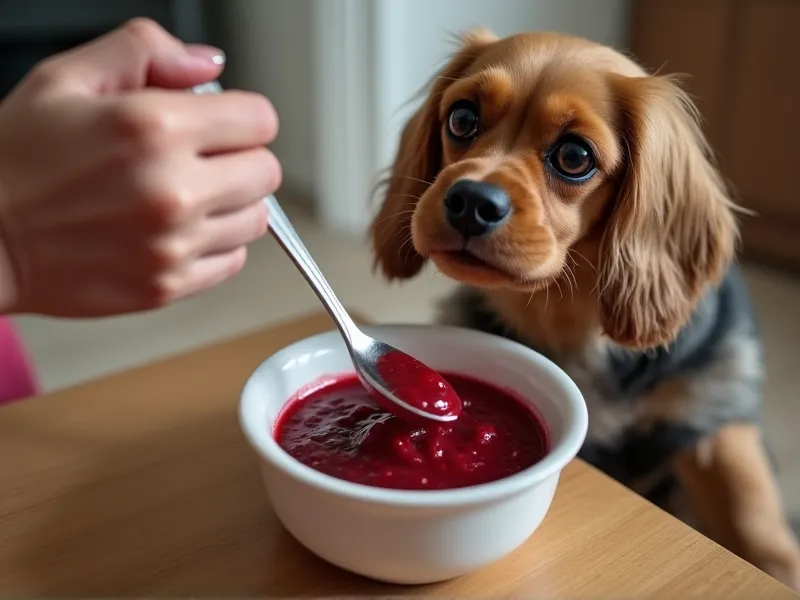
Table of Contents
- Can Dogs Eat Cranberry Sauce? The Short Answer
- The Benefits of Cranberries for Dogs (and How Sauce Fits In)
- Nutritional Breakdown: What’s Good in Cranberries?
- Why These Nutrients Matter for Your Pup
- The Risks of Cranberry Sauce for Dogs: What to Watch Out For
- Added Sugar: The Biggest Concern
- Hidden Ingredients: Raisins, Alcohol, and More
- Stomach Upset and Digestive Issues
- Choking Hazards
- How Much Cranberry Sauce Is Safe for Dogs? (If Any)
- Guidelines by Dog Size
- Key Takeaway: Less Is More (and Often, None Is Best)
- Healthier Alternatives to Cranberry Sauce for Dogs
- Fresh or Frozen Cranberries (Unsweetened)
- Dog-Safe Cranberry Supplements
- Diluted Unsweetened Cranberry Juice
- Frequently Asked Questions (FAQ)
- Conclusion: Prioritize Your Dog’s Health This Holiday Season
- References
1. Can Dogs Eat Cranberry Sauce? The Short Answer
Yes, but with massive caveats. Cranberry sauce itself isn’t inherently toxic to dogs, but most store-bought or homemade versions are loaded with added sugar, which can harm your pup’s health. Some sauces also contain dangerous ingredients like raisins, alcohol, or spices.
The bottom line: Plain, unsweetened cranberries are safe and even beneficial for dogs in small amounts. But cranberry sauce, with its high sugar content and potential additives, is best avoided. If you must share a tiny taste (we get it—those puppy eyes are persuasive!), opt for homemade sauce with zero added sugar, and only in minuscule portions.
2. The Benefits of Cranberries for Dogs (and How Sauce Fits In)
Before we dive into the risks, let’s talk about why cranberries themselves are a superfood for dogs. Fresh cranberries are packed with nutrients that support your pup’s health—but those benefits are often erased when they’re turned into sauce. Let’s break it down:
Nutritional Breakdown: What’s Good in Cranberries?
Cranberries are low in calories and high in vitamins, minerals, and antioxidants. Here’s what makes them a standout:
- Vitamin C: Boosts the immune system and supports collagen production (great for skin and joints).
- Fiber: Aids digestion by promoting regular bowel movements and feeding beneficial gut bacteria.
- Antioxidants (like proanthocyanidins): Fight free radicals, reducing inflammation and lowering the risk of chronic diseases.
- Potassium: Supports heart health and helps regulate blood pressure and muscle function.
- Vitamin E: Another antioxidant that protects cells from damage.
Why These Nutrients Matter for Your Pup
For dogs, these nutrients translate to real benefits:
- Immune Support: Vitamin C and antioxidants help fend off infections, keeping your dog healthy year-round.
- Digestive Health: Fiber prevents constipation and supports a balanced gut microbiome.
- Urinary Tract Health: Cranberries are often linked to urinary tract health in dogs (and humans!) because their antioxidants may help prevent bacteria like E. coli from sticking to the bladder walls. However, this is most effective with unsweetened, concentrated cranberry products (more on that later).
The Catch: Cranberry sauce rarely contains just cranberries. Most recipes add sugar, honey, or maple syrup to cut the tartness—turning a nutrient-dense fruit into a sugar bomb. A ¼-cup serving of store-bought cranberry sauce can have 20–30 grams of sugar (that’s 5–7.5 teaspoons!)—more than the daily recommended sugar intake for many dogs. For context, a 20-pound dog should consume no more than 10 grams of sugar per day (per the American Veterinary Medical Association).
3. The Risks of Cranberry Sauce for Dogs: What to Watch Out For
Cranberry sauce isn’t just “less healthy” than fresh cranberries—it can actively harm your dog. Here are the biggest risks to watch for:
Added Sugar: The #1 Danger
Sugar is the single worst ingredient in most cranberry sauces. Dogs have no biological need for added sugar, and excess can lead to:
- Obesity: Extra calories from sugar quickly add up, increasing the risk of joint pain, heart disease, and diabetes.
- Dental Disease: Sugar feeds harmful bacteria in the mouth, leading to plaque, tartar, and cavities.
- Insulin Resistance: Over time, high sugar intake can disrupt insulin regulation, raising the risk of diabetes.
- Energy Spikes and Crashes: Just like humans, dogs can get hyper from sugar, followed by a lethargic slump.
Hidden Ingredients: Raisins, Alcohol, and More
Some cranberry sauces contain ingredients that are toxic to dogs. Always check the label for:
- Raisins or grapes: Even a small amount can cause kidney failure in dogs (ASPCA, 2023).
- Alcohol: Some homemade sauces use wine or brandy for flavor—alcohol is toxic to dogs, causing vomiting, diarrhea, and even coma.
- Spices: Cinnamon, nutmeg, or cloves in large amounts can irritate a dog’s stomach or, in rare cases, cause liver issues.
- Xylitol: A sugar substitute found in “sugar-free” sauces. Xylitol is extremely toxic to dogs, causing a rapid insulin release that leads to hypoglycemia (low blood sugar), seizures, or liver failure (PetMD, 2022).
Stomach Upset and Digestive Issues
Even if the sauce has no toxic ingredients, the sugar and fiber can upset your dog’s stomach. Symptoms may include:
- Vomiting
- Diarrhea
- Gas or bloating
- Abdominal pain
Dogs with sensitive stomachs or conditions like inflammatory bowel disease (IBD) are especially at risk.
Choking Hazard
Cranberry sauce is often thick, sticky, or chunky—making it a choking risk, especially for small dogs or those who gulp their food. Sticky sauce can also get stuck in their teeth, leading to dental problems over time.
4. How Much Cranberry Sauce Is Safe for Dogs? (If Any)
If you’re set on sharing a tiny taste of cranberry sauce with your dog, here’s the golden rule: Less is more, and only if it’s 100% sugar-free.
Guidelines by Dog Size
For homemade, unsweetened cranberry sauce (no sugar, no additives), the maximum “safe” amount is:
- Small dogs (under 20 lbs): ¼–½ teaspoon
- Medium dogs (20–50 lbs): ½–1 teaspoon
- Large dogs (50+ lbs): 1–2 teaspoons
But even this is risky. Most dogs won’t miss the sauce, and the potential for stomach upset or sugar overload isn’t worth it.
Key Takeaway: Less Is More (and Often, None Is Best)
Cranberry sauce should never be a regular treat. If you do share it, consider it a once-a-year indulgence (like during the holidays) and stick to the tiniest portion possible. When in doubt, skip it entirely—your dog will be just as happy with a belly rub or a piece of plain, cooked turkey (sans skin or bones).
5. Healthier Alternatives to Cranberry Sauce for Dogs
Instead of sharing cranberry sauce, treat your dog to the benefits of cranberries without the sugar. Here are safer options:
Fresh or Frozen Cranberries (Unsweetened)
Fresh cranberries are tart, so your dog might turn up their nose—but a tiny handful (chopped, to avoid choking) is packed with nutrients. Try freezing them for a crunchy, refreshing snack in summer!
Pro Tip: Mix a few chopped cranberries with plain Greek yogurt (unsweetened) or a spoonful of pumpkin puree (no sugar or spices) to make them more palatable.
Dog-Safe Cranberry Supplements
If you want to support your dog’s urinary tract health, ask your vet about cranberry supplements made specifically for dogs. These are concentrated, sugar-free, and dosed appropriately for your pup’s size. Avoid human supplements, which may contain added sugar or other ingredients.
Diluted Unsweetened Cranberry Juice
A splash of unsweetened cranberry juice (diluted with water, 1:4 juice-to-water ratio) can be a occasional treat. Start with 1–2 tablespoons for small dogs, 2–4 for large dogs, and monitor for stomach upset. Never give undiluted juice—it’s too tart and may cause diarrhea.
6. Frequently Asked Questions (FAQ)
Q: Can dogs eat cranberry sauce with raisins?
A: No! Raisins and grapes are toxic to dogs, even in small amounts. If your cranberry sauce contains raisins, keep it far away from your pup.
Q: Is sugar-free cranberry sauce safe for dogs?
A: Only if it has no added sweeteners. Many “sugar-free” sauces use xylitol, which is deadly to dogs. Check the label for xylitol, sorbitol, or other sugar alcohols—if listed, avoid it.
Q: Can puppies eat cranberry sauce?
A: It’s best to avoid. Puppies have sensitive digestive systems, and sugar can disrupt their developing gut health. Stick to puppy-safe treats like plain cooked chicken or carrots.
Q: My dog ate a lot of cranberry sauce—what should I do?
A: Monitor for symptoms. If the sauce contained raisins, alcohol, or xylitol, call your vet or an emergency animal hospital immediately. For sugar-only sauce, watch for vomiting, diarrhea, or lethargy. If symptoms appear, contact your vet.
Q: Are there any dogs who should never eat cranberry sauce?
A: Yes. Dogs with diabetes, obesity, kidney disease, or dental issues should avoid all sugary treats, including cranberry sauce. Dogs with a history of pancreatitis are also at risk, as sugar can trigger inflammation.
7. Conclusion: Prioritize Your Dog’s Health This Holiday Season
The holidays are all about sharing, but when it comes to cranberry sauce, it’s safer to keep the tradition human-only. While fresh cranberries offer benefits like fiber, vitamins, and antioxidants, the sugar and additives in sauce make it a risky choice for dogs.
Instead of sharing the sauce, opt for healthier alternatives: fresh cranberries, dog-safe supplements, or diluted unsweetened juice. And when in doubt, consult your vet—they know your dog’s health best and can guide you on safe treats.
At the end of the day, your dog doesn’t care about cranberry sauce. They care about being with you, snuggling by the fire, and feeling loved. A extra-long walk, a new toy, or a scratch behind the ears will mean far more to them than a spoonful of sauce.
Here’s to a happy, healthy holiday season—for you and your pup!
8. References
- American Kennel Club (AKC). “Can Dogs Eat Cranberries?” 2023. akc.org/expert-advice/nutrition/can-dogs-eat-cranberries
- ASPCA. “Toxic and Non-Toxic Plants: Grapes and Raisins.” 2023. aspca.org/pet-care/animal-poison-control/toxic-and-non-toxic-plants/grape
- PetMD. “Xylitol Toxicity in Dogs.” 2022. petmd.com/dog/conditions/toxicity/xylitol-toxicity-dogs
- Veterinary Centers of America (VCA). “Cranberries for Dogs: Benefits and Risks.” 2023. vca.com/wellness/cranberries-for-dogs
- World Small Animal Veterinary Association (WSAVA). “Nutrition Toolkit: Sugar in Pet Food.” 2021. wsava.org/global-guidelines/nutrition-toolkit