· 7 min read
Can Dogs Eat Salted Crackers? The Surprising Truth Every Pet Parent Should Know
It’s a lazy Sunday afternoon, and you’re curled up on the couch with a bowl of your favorite salted crackers. Your dog, ever the opportunist, plops their head on your lap, big eyes begging for a bite. You pause—can dogs eat salted crackers? Is that tiny crunch worth the risk?
If you’ve ever found yourself in this scenario, you’re not alone. Many pet parents wonder if sharing human snacks like salted crackers is harmless, or if it could put their pup’s health in danger. In this post, we’ll break down the facts: the potential (albeit minimal) benefits, the very real risks, and what you should do if your dog manages to sneak a cracker (or three). Let’s dive in!
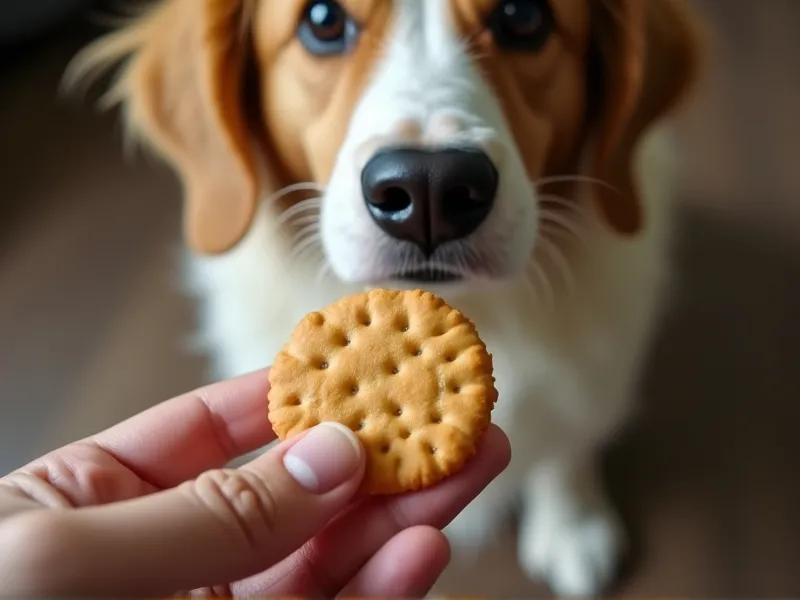
Table of Contents
- Can Dogs Eat Salted Crackers? The Short Answer
- Potential “Benefits” of Salted Crackers for Dogs (Spoiler: They’re Minimal)
- The Risks: Why Salted Crackers Are a Bad Idea for Dogs
- How Much (If Any) Is Safe to Feed?
- Healthier Alternatives to Salted Crackers
- FAQ: Your Salted Cracker Questions Answered
- Conclusion: Love Your Pup with Safe Snacks
Can Dogs Eat Salted Crackers? The Short Answer
No, salted crackers are not a safe or healthy snack for dogs.
While a single tiny cracker might not immediately harm your dog, salted crackers offer no nutritional value and come with significant risks—especially when fed regularly or in large quantities. Dogs have very different dietary needs than humans, and the high salt, processed carbs, and additives in most crackers can lead to serious health issues over time.
Let’s unpack why.
Potential “Benefits” of Salted Crackers for Dogs (Spoiler: They’re Minimal)
Before we focus on the risks, let’s address the elephant in the room: Do salted crackers offer any benefits to dogs? The short answer is… maybe, but not enough to justify feeding them.
Fiber (If Whole Grain)
Some crackers are made with whole grains (e.g., whole wheat), which contain fiber. Fiber is important for dogs’ digestive health, helping regulate bowel movements. However, most commercial crackers are made with refined flour, which has little to no fiber. Even whole-grain crackers pale in comparison to fiber-rich dog foods or fresh veggies like pumpkin, which are designed for canine digestion.
Trace Nutrients
Crackers might contain small amounts of minerals like potassium or iron, but these are present in such tiny quantities that they won’t contribute meaningfully to your dog’s diet. Your dog’s regular food is already formulated to meet their specific nutrient needs—crackers are just empty calories by comparison.
The Risks: Why Salted Crackers Are a Bad Idea for Dogs
Now, let’s get to the real concern: the risks. Salted crackers are far more likely to harm your dog than help them, thanks to these key issues:
1. Sodium Overload (Salt Toxicity)
Dogs need salt to survive—their bodies use it for nerve and muscle function, and to balance fluids. But they need very little: The Association of American Feed Control Officials (AAFCO) recommends a minimum of 0.25 grams of sodium per kilogram of body weight per day for adult dogs. That’s about 1/8 teaspoon of salt for a 50-pound dog.
Most salted crackers contain 100–200 mg of sodium per cracker. Let’s do the math: A 50-pound dog could hit their daily sodium limit with just 2–3 standard salted crackers. If they eat more, they risk sodium ion poisoning (hypernatremia), which can cause:
- Excessive thirst and urination
- Vomiting and diarrhea
- Lethargy or restlessness
- Tremors or seizures
- In severe cases, kidney failure or death
Small dogs are even more vulnerable. A Chihuahua (5–10 pounds) could face issues with just 1–2 crackers.
2. Added Sugars and Empty Calories
Many crackers (especially “flavored” varieties like honey wheat or cheese) contain added sugar. Dogs don’t need sugar in their diet, and excess sugar leads to:
- Obesity (a leading cause of diabetes, joint pain, and heart disease in dogs)
- Dental decay (crackers stick to teeth, promoting plaque buildup)
- Energy spikes and crashes (just like in humans!)
Even unsweetened crackers are high in refined carbs, which offer no nutritional value and can disrupt your dog’s blood sugar.
3. Stomach Upset
Dogs’ digestive systems aren’t built to process processed human foods. The combination of salt, refined flour, and additives in crackers can irritate their stomachs, leading to:
- Gas and bloating
- Diarrhea
- Nausea or vomiting
This is especially true for dogs with sensitive stomachs or conditions like inflammatory bowel disease (IBD).
4. Choking Hazard
Crackers are dry and brittle, which makes them a choking risk—especially for small dogs or dogs who gulp their food. A cracker can get stuck in your dog’s throat, blocking their airway. Even if they swallow it, sharp pieces could scratch their esophagus.
How Much (If Any) Is Safe to Feed?
If you must share a tiny bite (we get it—those puppy eyes are hard to resist!), follow these strict guidelines:
- Stick to 1–2 tiny pieces, maximum. Think a crumb-sized piece, not a whole cracker.
- Only偶尔 (occasionally). Not weekly, not monthly—save it for a once-in-a-blue-moon treat.
- Avoid if your dog has health issues. Dogs with kidney disease, heart disease, high blood pressure, or diabetes should never have salted crackers. The extra sodium will worsen their condition.
- Check the ingredients first. Avoid crackers with garlic, onion, cheese powder (high in salt), or artificial sweeteners like xylitol (toxic to dogs).
When in doubt, skip it. There are far safer ways to bond with your dog than sharing a cracker.
Healthier Alternatives to Salted Crackers
Instead of reaching for the salted crackers, treat your pup to these dog-friendly snacks that are actually good for them:
1. Carrot Slices
- Why it’s great: Crunchy, low-calorie, and packed with beta-carotene (supports eye health) and fiber.
- Tip: Raw or steamed (steaming makes them easier to digest for puppies or senior dogs).
2. Cucumber
- Why it’s great: Hydrating (96% water!), low in calories, and gentle on the stomach. Perfect for hot days!
3. Plain, Unsalted Rice Cakes
- Why it’s great: A low-sodium, low-sugar alternative to crackers. Look for plain varieties with no added salt or flavors.
4. Apple Slices (No Seeds!)
- Why it’s great: Sweet, crunchy, and full of fiber and vitamin C. Remove the seeds (they contain trace amounts of cyanide, which is toxic in large doses).
5. Cooked Sweet Potato
- Why it’s great: Rich in fiber, vitamins A and C, and potassium. Mash or dice for a tasty, nutrient-dense snack.
These alternatives are not only safer than crackers—they’ll make your dog’s tail wag and support their health.
FAQ: Your Salted Cracker Questions Answered
Q: Can puppies eat salted crackers?
A: No. Puppies have developing kidneys and smaller bodies, making them even more sensitive to sodium. Stick to puppy-safe treats like plain yogurt (unsweetened) or small pieces of cooked chicken.
Q: My dog stole a whole box of salted crackers! What should I do?
A: Stay calm, but act fast. Call your vet or an emergency animal clinic immediately. Symptoms of salt toxicity can take 2–4 hours to appear, but early treatment (like IV fluids to flush out sodium) is critical.
Q: Are unsalted crackers safer?
A: They’re less risky than salted ones, but still not ideal. Unsalted crackers often contain other problematic ingredients (refined flour, sugar, additives) and offer no nutritional value. Stick to the alternatives above instead.
Q: What if my dog has a cracker and seems fine?
A: One cracker might not cause issues, but it’s a bad habit to start. Over time, even small amounts of salt and empty calories can add up to health problems.
Conclusion: Love Your Pup with Safe Snacks
At the end of the day, salted crackers are a human snack—not a dog snack. They offer no benefits, plenty of risks, and there are dozens of healthier ways to show your dog you care.
Instead of sharing your crackers, reach for a carrot, a cucumber slice, or a store-bought dog treat made with high-quality ingredients. Your dog will love you just as much (if not more!)—and their body will thank you for it.
If you’re ever unsure about a food, always consult your vet. They know your dog’s health history and can give personalized advice.
Here’s to happy, healthy snacking with your four-legged friend!
References
- American Society for the Prevention of Cruelty to Animals (ASPCA). “People Foods to Avoid Feeding Your Pets.” aspca.org/pet-care/animal-poison-control/people-foods-avoid-feeding-your-pets
- American Kennel Club (AKC). “Can Dogs Eat Crackers?” akc.org/expert-advice/nutrition/can-dogs-eat-crackers
- PetMD. “Sodium Ion Poisoning in Dogs.” petmd.com/dog/conditions/toxicity/sodium-ion-poisoning-dogs
- World Small Animal Veterinary Association (WSAVA). “Nutrition Guidelines for Dogs.” wsava.org/global-guidelines/nutrition-guidelines