· 8 min read
Can Dogs Eat Crabs? A Pet Parent’s Guide to Seafood Safety
Picture this: It’s a warm summer evening, and you’re hosting a backyard seafood boil. Your dog, tail wagging like a metronome, hovers nearby, nose twitching at the aroma of buttery crab legs. You pause, fork mid-air, and wonder: Is that crab safe for my pup? If you’ve ever asked yourself this question, you’re in the right place. Let’s dive into the details of whether dogs can eat crabs, the potential benefits and risks, and how to keep your furry friend happy and healthy.
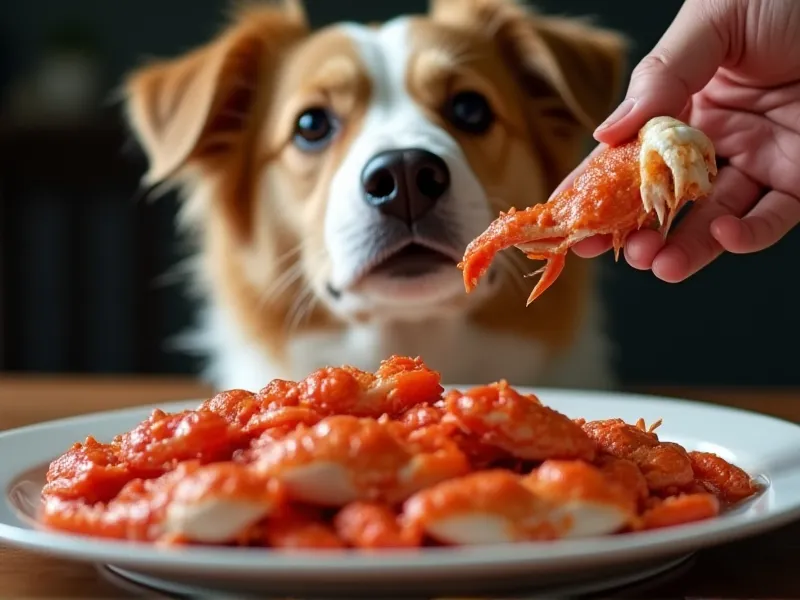
Table of Contents
- Can Dogs Eat Crabs? The Short Answer
- Potential Benefits of Crabs for Dogs
- Protein: Building Blocks for a Healthy Pup
- Omega-3 Fatty Acids: For Skin, Coat, and More
- Vitamins and Minerals: B12, Zinc, and Selenium
- Risks of Feeding Crabs to Dogs
- Choking and Intestinal Blockage (The Shell Hazard)
- Seasonings and Additives: Garlic, Onion, and Salt
- Mercury and Contaminants
- Digestive Upset: Rich Food and Sensitive Stomachs
- How Much Crab Can Dogs Eat? Guidelines for Safe Feeding
- Healthier Alternatives to Crabs for Dogs
- FAQ: Your Crab-and-Dog Questions Answered
- Conclusion: Crab as a Treat, Not a Staple
Can Dogs Eat Crabs? The Short Answer
Yes, dogs can eat crabs—but with important caveats. Plain, cooked crab meat (without shells, seasoning, or butter) is generally safe for most dogs in small, occasional amounts. It’s a lean, protein-rich treat that can offer some nutritional benefits. However, crabs aren’t without risks, and they should never replace your dog’s balanced, species-appropriate regular diet. Think of crab as a special snack, not a meal.
Potential Benefits of Crabs for Dogs
If prepared safely, crab meat can pack a nutritional punch for your pup. Here’s why it might be worth sharing a tiny taste (in moderation, of course!):
1. High-Quality Protein
Crabs are loaded with lean protein, which is essential for dogs. Protein supports muscle growth and repair, keeps their energy levels steady, and helps maintain a healthy coat and skin. For active dogs or those recovering from illness, a small boost of protein from crab can be beneficial—just don’t overdo it.
2. Omega-3 Fatty Acids
Crabs contain omega-3 fatty acids, which are famous for their anti-inflammatory properties. These healthy fats can help:
- Keep your dog’s coat shiny and skin moisturized (goodbye, dry flakes!).
- Support joint health, especially in older dogs or breeds prone to arthritis.
- Boost heart health by maintaining normal blood pressure and reducing the risk of heart disease.
3. Essential Vitamins and Minerals
Crab meat is a good source of several key nutrients:
- Vitamin B12: Important for nerve function and red blood cell production. A deficiency can lead to fatigue or weakness.
- Zinc: Supports immune function, wound healing, and healthy digestion.
- Selenium: An antioxidant that helps protect cells from damage and supports thyroid health.
- Potassium: Regulates fluid balance, muscle contractions, and heart rhythm.
Risks of Feeding Crabs to Dogs
While crab meat has benefits, it’s not without risks. Here’s what to watch out for before sharing your seafood feast:
1. The Shell: A Choking and Blockage Hazard
The biggest danger of crabs for dogs isn’t the meat—it’s the shell. Crab shells (including claws, legs, and the hard outer carapace) are sharp, indigestible, and can easily get stuck in your dog’s throat, esophagus, or intestines. This can cause choking, gagging, or even a life-threatening intestinal blockage (which may require surgery). Always, always remove every bit of shell before offering crab to your dog. Even tiny shell fragments can scratch their digestive tract!
2. Seasonings and Additives
Most humans enjoy crab with butter, garlic, lemon, Old Bay seasoning, or salt—but these extras are toxic or harmful to dogs:
- Garlic/Onion: These belong to the allium family, which can damage a dog’s red blood cells, leading to anemia. Even small amounts can be dangerous.
- Salt: Excess salt causes dehydration, electrolyte imbalances, or even sodium ion poisoning (symptoms include vomiting, diarrhea, seizures, or excessive thirst).
- Butter/Oil: High in fat, which can trigger pancreatitis in dogs (a painful, potentially fatal inflammation of the pancreas).
- Lemon/Lime: Citrus can irritate a dog’s stomach, causing vomiting or diarrhea.
Stick to plain, unseasoned, cooked crab meat only. No exceptions!
3. Mercury and Contaminants
Seafood can sometimes contain mercury or environmental toxins (like PCBs), which build up in fish and shellfish over time. Crabs are generally low in mercury compared to larger fish (like tuna or swordfish), but it’s still a concern if fed regularly. Puppies, senior dogs, or dogs with kidney/liver issues are more sensitive to these toxins, so crab should be even more limited for them.
4. Digestive Upset
Crab is a “novel protein” for many dogs—meaning their digestive systems aren’t used to it. Even plain crab meat can cause stomach upset, including diarrhea, vomiting, or gas, especially if your dog eats too much. This is more common in dogs with sensitive stomachs or food allergies.
5. Allergies (Rare but Possible)
While seafood allergies in dogs are less common than, say, chicken or dairy allergies, they can happen. Signs of an allergic reaction include itching, red skin, hives, swelling (especially around the face), or difficulty breathing. If your dog has never had crab before, start with a tiny bite and monitor them for 24 hours.
How Much Crab Can Dogs Eat? Guidelines for Safe Feeding
If you want to share crab with your dog, follow these rules to keep them safe:
1. Size Matters
The amount of crab your dog can handle depends on their size:
- Small dogs (under 20 lbs): 1–2 teaspoons of crab meat, once a week at most.
- Medium dogs (20–50 lbs): 1–2 tablespoons, once a week.
- Large dogs (50+ lbs): Up to ¼ cup, once a week.
Remember: Crab is a treat, not a meal. It should make up no more than 10% of your dog’s daily calories.
2. Prepare It Properly
- Cook it thoroughly: Raw crab can contain harmful bacteria (like Salmonella) that cause food poisoning in dogs. Always steam, boil, or bake crab until the meat is opaque and firm.
- Remove all shells: This includes the hard outer shell, legs, claws, and even the thin “cartilage” in the meat. Use a fork to pick out any tiny shell fragments—they’re sharp and dangerous!
- No seasoning: Skip the butter, garlic, salt, or lemon. Plain crab meat only.
3. Monitor for Reactions
After feeding crab, watch your dog for 24 hours. If they develop diarrhea, vomiting, lethargy, or loss of appetite, contact your vet. These could be signs of digestive upset or an allergic reaction.
Healthier Alternatives to Crabs for Dogs
If you’re hesitant to feed crab (or just want more dog-safe seafood options), these alternatives are often safer and more nutritionally reliable:
1. Cooked Salmon (De-Boned)
Salmon is a superstar for dogs: it’s packed with omega-3s, protein, and vitamin D. Just make sure it’s fully cooked (no raw!) and boneless to avoid choking.
2. Cooked Shrimp (No Shells)
Shrimp is low in fat, high in protein, and easy to digest. Remove the shell and tail, cook plain, and serve in small pieces.
3. Lean Chicken or Turkey
These are staples in most dog foods for a reason: they’re affordable, easy to prepare, and low-risk. Plain, cooked chicken/turkey breast (no skin or bones) is a safe, protein-rich treat.
4. Pumpkin (Plain, Canned)
Not seafood, but pumpkin is a great alternative for dogs with sensitive stomachs. It’s high in fiber, which aids digestion, and most dogs love the sweet taste.
FAQ: Your Crab-and-Dog Questions Answered
Q: Can dogs eat crab shells?
A: No! Crab shells are hard, sharp, and indigestible. They can choke your dog or cause intestinal blockages, which may require surgery. Always remove all shells before feeding crab to your pup.
Q: Is canned crab meat safe for dogs?
A: It depends. Canned crab often has added salt, preservatives, or sauces (like garlic butter), which are harmful. If you must use canned crab, choose “no salt added” varieties and rinse the meat thoroughly to remove excess sodium. Even then, fresh crab is better.
Q: My dog ate crab with seasoning—what should I do?
A: If your dog stole a bite of crab with garlic, onion, or salt, monitor them closely. Symptoms of toxicity (like vomiting, diarrhea, lethargy, or pale gums) may take a few hours to appear. Contact your vet immediately if you notice any red flags—especially if they ate a large amount.
Q: Can puppies eat crabs?
A: Puppies have sensitive digestive systems, so it’s best to wait until they’re at least 6 months old (and fully weaned onto adult food) before offering crab. Even then, stick to a tiny amount (1 teaspoon max for small breeds) and watch for upset tummies.
Q: What about imitation crab?
A: Avoid imitation crab! It’s not real crab—it’s made from processed fish (often pollock), starch, sugar, and additives like sodium and artificial flavors. Some brands even contain xylitol (a sugar substitute toxic to dogs). Stick to the real deal.
Conclusion: Crab as a Treat, Not a Staple
Crabs can be a fun, occasional treat for dogs—if prepared safely and fed in moderation. Plain, cooked crab meat offers protein, omega-3s, and key nutrients, but the risks (shells, seasoning, digestive upset) mean it should never be a regular part of their diet.
When in doubt, consult your vet—especially if your dog has health issues (like kidney disease, pancreatitis, or allergies). They can help you decide if crab is safe for your specific pup.
At the end of the day, the best treats are the ones that keep your dog healthy and happy. So next time you’re enjoying crab legs, share a tiny bite with your pup (after de-shelling, of course!)—and savor the tail wags that follow.
References
- American Kennel Club (AKC). “Can Dogs Eat Shellfish?” akc.org
- PetMD. “Can Dogs Eat Crab?” petmd.com
- VCA Hospitals. “Food Poisoning in Dogs.” vcahospitals.com
- American College of Veterinary Nutrition. “Nutrition for Dogs.” acvn.org