· 8 min read
Can Dogs Eat Crab Cakes? A Pet Parent’s Guide to Risks, Benefits & Safer Alternatives
It’s a sunny Saturday, and you’re at the beach, savoring a plate of golden, crispy crab cakes—juicy, briny, and perfectly seasoned. Beside you, your dog, Bella, sits patiently, tail thumping, those big, soulful eyes locked on your plate. “Just one tiny bite?” you think. “Surely a little taste won’t hurt…” If you’ve ever found yourself in this scenario, you’re not alone. Crab cakes are a beloved seafood staple, but when it comes to sharing human food with our pups, the stakes feel higher. After all, we want to treat them, but we also need to keep them safe.
In this guide, we’ll answer the burning question: Can dogs eat crab cakes? We’ll break down the potential benefits (yes, there are a few!), the very real risks (spoiler: most crab cakes are loaded with ingredients that aren’t dog-friendly), and share tips for safer alternatives. Whether you’re a seafood lover or just curious about expanding your dog’s treat menu, read on to keep your pup happy and healthy.
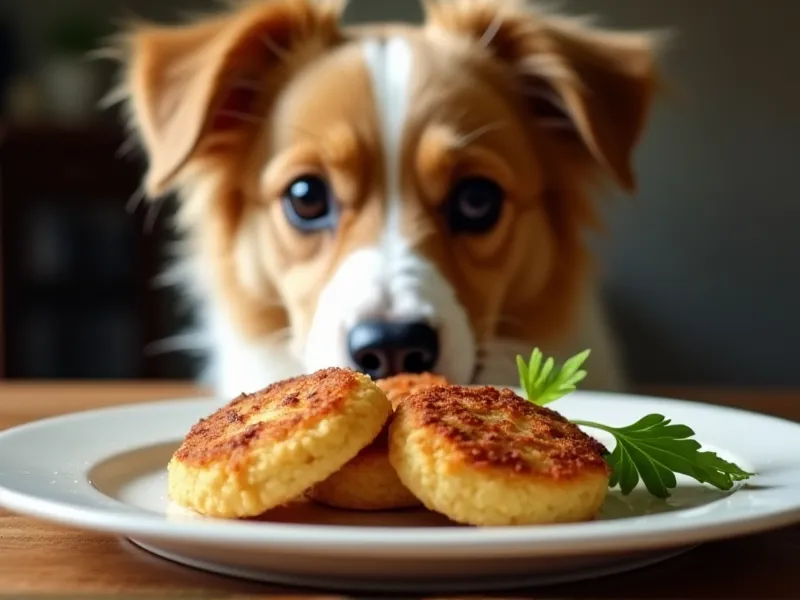
Table of Contents
- Can Dogs Eat Crab Cakes? The Short Answer
- Potential Benefits of Crab for Dogs (The “Good” Part)
- The Risks of Crab Cakes for Dogs (The “Bad” Stuff)
- How Much Crab Cake Is Safe for Dogs? (If Any)
- Healthier Alternatives to Crab Cakes for Dogs
- FAQ: Your Crab Cake Questions Answered
- Conclusion: Prioritize Your Pup’s Health
- References
Can Dogs Eat Crab Cakes? The Short Answer
Let’s cut to the chase: Dogs can technically eat a tiny, occasional bite of a plain crab cake (without toxic ingredients like onions or garlic), but crab cakes are not a safe or healthy treat for dogs.
Here’s why: Crab cakes are rarely “just crab.” Most recipes include a laundry list of additives—think breadcrumbs, mayonnaise, butter, spices, and sometimes even onions or garlic—to boost flavor and texture. These ingredients can spell trouble for your pup’s digestion, heart, or even long-term health. While plain, cooked crab meat can offer some nutritional benefits (more on that later!), the risks of the other ingredients in crab cakes far outweigh any positives.
Potential Benefits of Crab for Dogs (The “Good” Part)
Before we dive into the risks, let’s acknowledge the elephant in the room: Crab meat itself (plain, cooked, and unseasoned) isn’t all bad. In fact, it’s packed with nutrients that could benefit dogs in small amounts. Here’s what makes crab a (theoretically) decent snack—if served correctly:
1. High-Quality Protein
Crab is rich in lean protein, which is essential for dogs’ muscle growth, tissue repair, and overall energy. Protein also helps keep your dog feeling full, making it a good option for weight management (in moderation).
2. Omega-3 Fatty Acids
Crab contains omega-3s, which support heart health, reduce inflammation, and promote a shiny coat and healthy skin. These fats are especially beneficial for dogs with joint issues or dry skin.
3. Essential Vitamins & Minerals
Crab is a good source of:
- Vitamin B12: Supports nerve function and red blood cell production.
- Selenium: An antioxidant that boosts immune health and thyroid function.
- Zinc: Aids in wound healing, immune support, and healthy skin.
- Potassium: Regulates blood pressure and muscle function.
But here’s the catch: Most crab cakes contain only a small amount of actual crab meat. The rest is filler, which dilutes these benefits. And even if a crab cake is “crab-heavy,” the added ingredients undo any nutritional upside.
The Risks of Crab Cakes for Dogs (The “Bad” Stuff)
Now, let’s talk about why crab cakes are more foe than friend for your pup. The real danger lies in the extras—the ingredients that make crab cakes taste so good to humans but can harm dogs. Here’s what to watch out for:
1. Onions, Garlic, & Chives (Toxic to Dogs)
Some crab cake recipes include onions, garlic, or chives for flavor. These belong to the Allium family, which is toxic to dogs. Even small amounts can damage red blood cells, leading to anemia, weakness, vomiting, or diarrhea. In severe cases, it can be life-threatening.
Pro tip: Always check the ingredient list! If a crab cake contains any Allium veggies, keep it far from your dog.
2. High Fat (Mayo, Butter, Oil)
Mayonnaise, butter, and frying oil are staples in crab cake recipes—and they’re loaded with fat. Dogs can’t digest large amounts of fat well, which can trigger pancreatitis (inflammation of the pancreas). Symptoms include vomiting, diarrhea, abdominal pain, and lethargy. Pancreatitis is painful and can be fatal if left untreated.
3. Sodium Overload (Salt, Soy Sauce)
Crab cakes are often heavily salted, and some recipes add soy sauce for umami. Dogs need only tiny amounts of sodium (about 100mg per 10 lbs of body weight daily). Too much salt can cause salt toxicity, leading to excessive thirst, urination, vomiting, diarrhea, seizures, or even kidney damage.
4. Breadcrumbs & Fillers (Empty Calories)
Breadcrumbs, crackers, or panko are used to bind crab cakes, but they’re mostly empty carbs. They offer no nutritional value and can spike your dog’s blood sugar. For dogs with diabetes or weight issues, this is a big no-no.
5. Spices & Seasonings (Irritating to the Gut)
Black pepper, Old Bay, paprika, or other spices might make crab cakes tasty for you, but they can irritate your dog’s digestive tract. This can lead to stomach upset, gas, or diarrhea.
6. Choking Hazard (Bones or Hard Bits)
If a crab cake contains small crab shell fragments (easy to miss!), they can pose a choking risk or damage your dog’s throat, esophagus, or intestines.
How Much Crab Cake Is Safe for Dogs? (If Any)
Let’s be clear: There’s no “safe” amount of crab cake that’s good for dogs. Even a small bite can contain enough fat, salt, or spices to cause stomach upset.
If your dog accidentally snags a tiny crumb (think: the size of a pea), they’ll likely be fine. Monitor them for 24 hours for signs of vomiting, diarrhea, or lethargy. But if they eat a larger piece (e.g., half a crab cake or more), contact your vet immediately—especially if the crab cake contained onions, garlic, or high amounts of mayo.
As a general rule: Don’t feed crab cakes to your dog on purpose. The risks are too high for a treat that offers little benefit.
Healthier Alternatives to Crab Cakes for Dogs
If you want to share the seafood love with your pup, skip the crab cake and opt for these safer, nutrient-dense alternatives:
1. Plain, Cooked Crab Meat
Stick to the star of the show! Offer your dog a tiny piece (no bigger than a dime for small dogs, a quarter for large dogs) of plain, cooked crab meat (no shell, no seasoning). Serve it as an occasional treat—once a week at most.
2. Cooked Salmon
Salmon is packed with omega-3s and protein, and it’s usually easier to find (and cheaper!) than crab. Just make sure it’s fully cooked (raw salmon can carry parasites) and unseasoned.
3. Peeled, Cooked Shrimp
Shrimp is low in fat, high in protein, and dogs love the taste. Remove the shell, tail, and vein, then cook it plain. A few small shrimp make a great training reward.
4. White Fish (Cod, Tilapia)
Mild, flaky white fish is easy to digest and rich in protein. Bake or boil it (no oil!) and serve a small portion as a treat.
5. Canned Tuna (Water-Packed, No Salt)
Choose tuna packed in water (not oil) with no added salt. A teaspoon mixed into your dog’s food偶尔 can add flavor and nutrients. Avoid tuna with garlic or onions.
FAQ: Your Crab Cake Questions Answered
Q: Can puppies eat crab cakes?
A: No. Puppies have sensitive digestive systems and are more prone to stomach upset. Their bodies also process salt and fat less efficiently than adult dogs. Stick to puppy-safe treats like plain chicken or carrots.
Q: My dog ate a whole crab cake! What should I do?
A: Stay calm, but act fast. If the crab cake contained onions, garlic, or large amounts of mayo, contact your vet immediately. Even if it didn’t, monitor your dog for 24 hours for vomiting, diarrhea, lethargy, or excessive thirst. If any symptoms appear, call your vet.
Q: Are imitation crab cakes safer than real crab cakes?
A: No! Imitation crab (surimi) is made from processed fish, starch, and additives like sodium, sugar, and artificial flavors. It’s high in sodium and offers no nutritional value. Skip it entirely.
Q: What if my crab cake has no onions or garlic—can my dog have a bite then?
A: Maybe a tiny bite (like a crumb), but it’s still not recommended. Even without onions, crab cakes are high in fat and salt. It’s better to just share plain crab meat instead.
Q: Can dogs eat crab shells?
A: No! Crab shells are hard, sharp, and indigestible. They can splinter and damage your dog’s mouth, throat, or intestines, or cause choking. Always remove shells before feeding any seafood.
Conclusion: Prioritize Your Pup’s Health
Sharing food with our dogs is one of the joys of pet parenthood, but when it comes to crab cakes, it’s best to say “no thanks.” The risks—from toxic onions to fatty mayo—far outweigh the minor benefits of the crab itself.
Instead, opt for safer seafood treats like plain crab meat, salmon, or shrimp. And when in doubt, always check with your vet before introducing new foods to your dog’s diet. After all, a happy pup is a healthy pup—and that’s worth skipping the crab cake crumb for.
References
- American Society for the Prevention of Cruelty to Animals (ASPCA). “People Foods to Avoid Feeding Your Pets.” aspca.org/pet-care/animal-poison-control/people-foods-avoid-feeding-your-pets
- American Kennel Club (AKC). “Can Dogs Eat Seafood?” akc.org/expert-advice/nutrition/can-dogs-eat-seafood/
- Tufts University Cummings School of Veterinary Medicine. “Pancreatitis in Dogs.” tuftsvetnutrition.org/health-topics/pancreatitis-in-dogs
- Cornell University College of Veterinary Medicine. “Salt Toxicity in Dogs.” vet.cornell.edu/departments-centers-and-institutes/cornell-animal-health-diagnostics-center/animal-health-topics/salt-toxicity-dogs