· 9 min read
Can Dogs Eat Cow Tongue? A Pet Parent’s Guide to Safe Treats
You’re rummaging through the fridge after a weekend cookout, and there it is: a leftover piece of cow tongue you picked up from the butcher. Your dog, ever the opportunist, trots over, tail thumping, and fixes you with those big, pleading eyes. “Just a tiny bite?” they seem to say. But before you cave, you pause: Is cow tongue safe for dogs?
As pet parents, we’ve all been there—wondering if sharing a “human food” snack with our furry friends is a sweet gesture or a risky mistake. Cow tongue, while less common than chicken or beef, is a protein-rich meat that might seem like a tasty treat. But is it actually good for dogs? Let’s dive into the details, from nutritional benefits to potential risks, and help you decide if this unique cut deserves a spot in your pup’s treat jar.
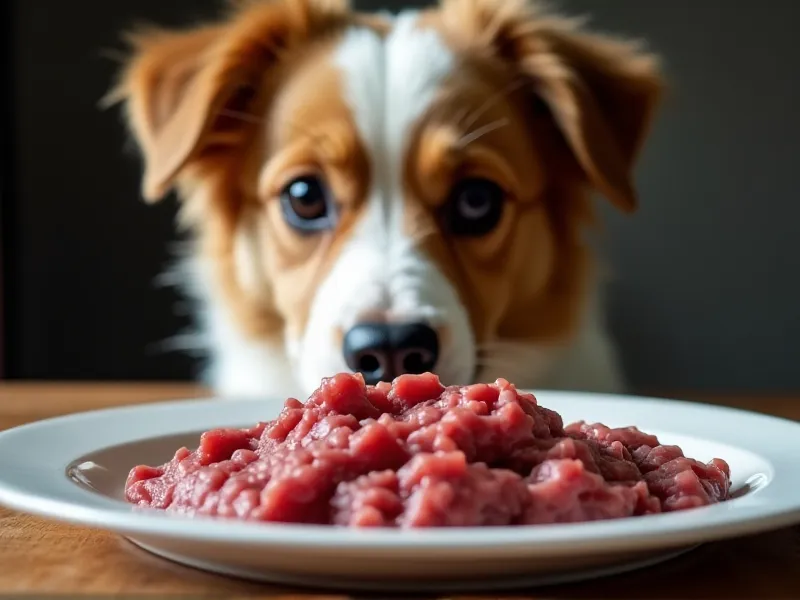
Table of Contents
- Can Dogs Eat Cow Tongue? The Short Answer
- Nutritional Benefits of Cow Tongue for Dogs
- Potential Risks of Feeding Cow Tongue to Dogs
- How Much Cow Tongue Can Dogs Safely Eat? Guidelines for Pet Parents
- Healthier Alternatives to Cow Tongue
- FAQ: Your Cow Tongue Questions Answered
- Conclusion: Moderation is Key
1. Can Dogs Eat Cow Tongue? The Short Answer
Yes, dogs can eat cow tongue—in moderation, and under the right conditions.
Cow tongue is not toxic to dogs, and in its plain, cooked form, it can even offer some nutritional benefits. However, it’s not a “superfood” for pups, and there are important risks to consider (like choking hazards or added seasonings). As with any human food, it should never replace your dog’s balanced, vet-approved diet. Think of it as an occasional treat, not a meal replacement.
2. Nutritional Benefits of Cow Tongue for Dogs
Cow tongue is more than just a chewy snack—it’s packed with nutrients that can support your dog’s health when fed correctly. Let’s break down its key benefits:
High-Quality Protein
Protein is the building block of a dog’s diet, supporting muscle growth, repair, and overall energy. Cow tongue is a lean source of protein (about 16-18g per 100g serving), making it a solid choice for dogs who need a protein boost—like active pups or those recovering from illness. Unlike fatty meats (which can trigger pancreatitis), cow tongue’s lower fat content (around 3-5g per 100g) makes it gentler on the digestive system.
Essential Vitamins & Minerals
Cow tongue is rich in several nutrients dogs need to thrive:
- Iron: Critical for red blood cell health and oxygen transport. Iron deficiency can lead to fatigue or anemia, so a small serving of cow tongue can help top up levels.
- Zinc: Supports a healthy immune system, skin, and coat. Zinc deficiencies in dogs can cause dry, flaky skin or slow wound healing.
- B Vitamins (B12, B6, Niacin): These vitamins aid in energy production, brain function, and cell repair. B12, in particular, is essential for nerve health and preventing anemia.
- Potassium: An electrolyte that helps regulate heart rate, muscle function, and fluid balance.
Natural Flavor Dogs Love
Let’s be real: Dogs go crazy for meaty flavors, and cow tongue is no exception. Its rich, savory taste can make it a great training reward or a special treat for picky eaters. Plus, chewing on cooked (but not tough) cow tongue can help keep your dog’s teeth clean by scraping away plaque—though it’s no substitute for regular dental care!
3. Potential Risks of Feeding Cow Tongue to Dogs
While cow tongue has benefits, it’s not without risks. Here’s what to watch out for:
Raw Cow Tongue: Bacterial Contamination
Never feed your dog raw cow tongue. Raw meat (including tongue) can harbor harmful bacteria like Salmonella or E. coli, which can cause severe gastrointestinal issues in dogs (vomiting, diarrhea, fever) and even spread to humans. Always cook cow tongue thoroughly to an internal temperature of 160°F (71°C) to kill pathogens.
Choking Hazard
Cow tongue is dense and chewy, especially if not prepared properly. If fed in large chunks or left uncut, it can pose a choking risk—especially for small dogs or those who gulp their food. Always slice cooked cow tongue into thin, bite-sized pieces (about the size of your thumbnail for small dogs, or a dime for larger breeds) to prevent choking.
Processed or Seasoned Cow Tongue
Avoid store-bought or deli-style cow tongue that’s smoked, cured, or seasoned. These often contain added salt, sugar, garlic, onion, or spices—all of which are harmful to dogs. Garlic and onion, for example, can damage red blood cells and cause anemia. Excess sodium can lead to dehydration, kidney issues, or even salt toxicity (symptoms include vomiting, tremors, or seizures). Stick to plain, unseasoned, cooked cow tongue from a trusted butcher.
Stomach Upset from Overfeeding
Introducing any new food suddenly can upset your dog’s stomach. Cow tongue is rich, so even a small amount might cause diarrhea or vomiting if your dog isn’t used to it. Start with a tiny piece and monitor their reaction for 24 hours before offering more.
High Fat Content (in Some Cases)
While cow tongue is generally leaner than other meats (like beef ribs or pork belly), it’s not fat-free. If your dog has a history of pancreatitis (inflammation of the pancreas) or is overweight, even a small amount of fat can trigger a flare-up. Consult your vet before feeding cow tongue to dogs with these conditions.
4. How Much Cow Tongue Can Dogs Safely Eat? Guidelines for Pet Parents
Cow tongue should be an occasional treat, not a regular part of your dog’s diet. Here’s how to portion it safely:
General Rule: Treat, Not a Meal
Limit cow tongue to 10% or less of your dog’s daily calorie intake. For reference, a 30lb dog needs about 600 calories per day, so their cow tongue treat should be under 60 calories (roughly 1-2 small pieces).
Portion Sizes by Dog Size
- Small dogs (under 20lbs): 1-2 thin slices (about 1-2 oz) per week.
- Medium dogs (20-50lbs): 2-3 slices (2-3 oz) per week.
- Large dogs (50+lbs): 3-4 slices (3-4 oz) per week.
Preparation Tips
- Cook it thoroughly: Boil, bake, or grill cow tongue until it’s tender and no longer pink. Avoid frying (added fat) or seasoning (salt, spices).
- Cool and slice carefully: Let cooked tongue cool completely, then trim off any excess fat. Slice into small, manageable pieces—never feed whole chunks.
- Avoid processed versions: Skip deli or smoked tongue; opt for fresh, unseasoned cuts from a butcher.
5. Healthier Alternatives to Cow Tongue
If you’re looking for safer, more accessible meaty treats, these alternatives are often better choices:
Lean Chicken or Turkey Breast
Cooked, plain chicken or turkey is a staple in many dogs’ diets. It’s low in fat, high in protein, and easy to digest—making it ideal for training or treats. Plus, it’s widely available and less likely to cause stomach upset.
Lean Beef (Sirloin or Round)
Plain, cooked lean beef (like sirloin) is another great option. It’s rich in iron and zinc, similar to cow tongue, but with a lower risk of choking (when sliced thin). Just avoid fatty cuts like ribeye, which can trigger pancreatitis.
Organ Meats (Liver, Kidney)
Organ meats are nutrient powerhouses—liver, for example, is loaded with iron, vitamin A, and B vitamins. However, feed them in moderation: Too much liver can cause vitamin A toxicity (symptoms include joint pain or bone issues). A small cube (about the size of a pea) once a week is enough for most dogs.
Fish (Salmon, Tuna)
Cooked, boneless fish like salmon is rich in omega-3 fatty acids, which support skin, coat, and joint health. Just avoid raw fish (risk of parasites) and canned tuna in oil (high fat).
6. FAQ: Your Cow Tongue Questions Answered
Q: Can puppies eat cow tongue?
A: It’s best to wait until your puppy is at least 6 months old and has transitioned to adult food. Puppies have sensitive stomachs, and introducing rich foods like cow tongue too early can cause digestive upset. Always consult your vet before giving puppies new treats.
Q: My dog ate raw cow tongue—what should I do?
A: Monitor them closely for 24-48 hours for symptoms like vomiting, diarrhea, or lethargy. If they show signs of illness, contact your vet immediately. Raw meat can carry bacteria, so it’s better to err on the side of caution.
Q: Is cow tongue better than other meats for dogs?
A: Not necessarily. While it has nutrients, it’s no more beneficial than chicken, turkey, or lean beef. It’s simply a less common treat option. Stick to what your dog tolerates best!
Q: Can dogs with allergies eat cow tongue?
A: If your dog is allergic to beef, they may react to cow tongue (since it’s a beef product). Symptoms include itching, redness, or diarrhea. If your dog has food allergies, ask your vet to recommend safe treat alternatives.
Q: What if my dog ate too much cow tongue?
A: Overindulging can cause stomach upset (vomiting, diarrhea) or, in rare cases, pancreatitis (if the tongue was fatty). Offer plenty of water and withhold food for 12 hours. If symptoms persist, contact your vet.
7. Conclusion: Moderation is Key
Cow tongue can be a safe, tasty treat for dogs when fed in moderation, cooked thoroughly, and prepared properly. Its protein and nutrient content make it a fun occasional snack, but it’s no replacement for a balanced diet. Always avoid raw, seasoned, or processed versions, and slice it into small pieces to prevent choking.
As with any new food, consult your vet before offering cow tongue—especially if your dog has health issues like pancreatitis, kidney disease, or food allergies. And remember: The best treats are ones that keep your dog happy, healthy, and coming back for more (in a good way!).
So, next time you’re eyeing that leftover cow tongue, go ahead and share a tiny piece with your pup—just make sure it’s plain, cooked, and cut small. Their tail (and taste buds) will thank you!
Sources:
- American Kennel Club (AKC). “Human Foods Dogs Can and Can’t Eat.” akc.org
- PetMD. “Can Dogs Eat Beef? Benefits and Risks.” petmd.com
- Veterinary Nutritionist Dr. Jennifer Coates. “Safe Human Foods for Dogs.” pethealthnetwork.com