· 9 min read
Can Dogs Eat Cough Drops? Risks, Benefits, and Safe Alternatives for Pet Parents
It’s 2 a.m., and you’re up with a scratchy throat, fumbling for the cough drops on your nightstand. Before you can grab one, your curious pup—always underfoot—snatches the wrapper, nabs the lozenge, and swallows it whole. Panic sets in: Is that going to hurt them? Can dogs even eat cough drops?
If you’ve ever found yourself in this scenario, you’re not alone. Cough drops are a household staple, but when it comes to our four-legged friends, their safety isn’t always clear. In this guide, we’ll break down whether cough drops are safe for dogs, the potential risks (spoiler: they’re significant), any minimal benefits, and healthier alternatives to soothe your pup if they’re under the weather. Let’s dive in.
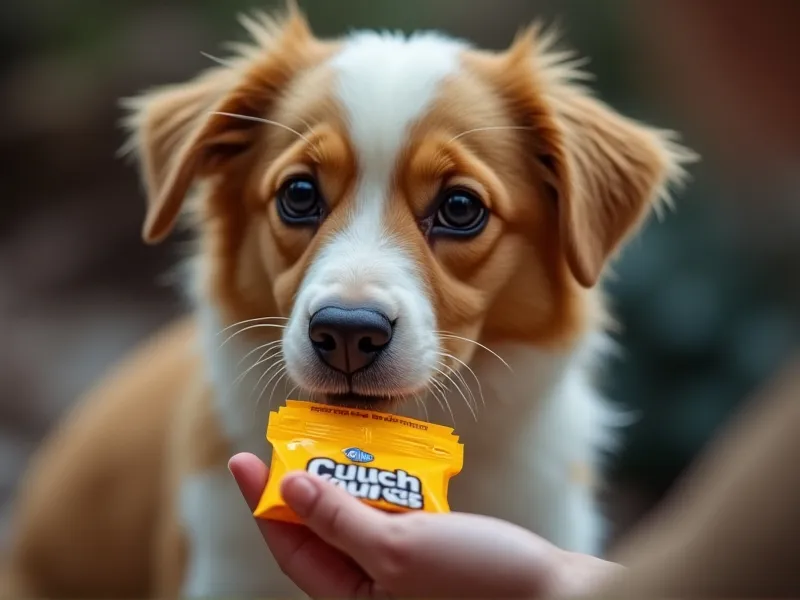
Table of Contents
- Can Dogs Eat Cough Drops? The Short Answer
- Potential “Benefits” of Cough Drops for Dogs (Spoiler: They’re Minimal)
- The Risks of Cough Drops for Dogs: Why They’re Usually a Bad Idea
- How Much Cough Drop Is “Safe” for Dogs? (Hint: Probably None)
- Healthier Alternatives to Cough Drops for Dogs
- FAQ: Your Top Cough Drop Questions, Answered
- Conclusion: When in Doubt, Skip the Cough Drop and Call Your Vet
- References
Can Dogs Eat Cough Drops? The Short Answer
No, most cough drops are not safe for dogs.
While a single cough drop might not kill your pup, the ingredients in most over-the-counter (OTC) cough drops—like xylitol, menthol, and high sugar—can cause serious harm. Even “natural” cough drops often contain additives that are toxic or irritating to dogs. The risks far outweigh any potential benefits, so it’s best to keep cough drops (and all human medications) out of your dog’s reach.
Potential “Benefits” of Cough Drops for Dogs (Spoiler: They’re Minimal)
You might wonder: If cough drops soothe my sore throat, could they help my dog if they’re coughing? In theory, some ingredients in cough drops (like honey or lemon) might offer mild relief, but these are rare and overshadowed by risks. Let’s break down the supposed “benefits” and why they’re not worth it:
Honey: A Soothing Agent (But Only for Older Dogs)
Some cough drops contain honey, which has natural antibacterial properties and can soothe irritated throats in humans. For dogs over 1 year old, small amounts of honey (1–2 teaspoons, depending on size) can help with a dry cough. However, most cough drops have added sugar, preservatives, or menthol alongside honey, negating any benefits. Plus, raw honey can contain botulism spores, which are dangerous for puppies under 1 year old.
Lemon or Citrus: Vitamin C Boost?
Lemon is sometimes added to cough drops for flavor and vitamin C. While vitamin C is essential for dogs, they produce it naturally in their bodies—so they don’t need extra from citrus. Worse, citrus oils (like limonene) can irritate a dog’s stomach, leading to vomiting or diarrhea.
Fiber or Potassium: Not in Cough Drops
The user mentioned “fiber” and “potassium” as potential benefits, but these are not common in cough drops. Cough drops are designed to dissolve slowly, so they’re high in sugar or sugar substitutes, not nutrients like fiber or potassium. Your dog gets these from their regular food (e.g., sweet potatoes for fiber, bananas for potassium)—no need to risk cough drops.
The Risks of Cough Drops for Dogs: Why They’re Usually a Bad Idea
Now, let’s get to the real concern: the dangers of cough drops for dogs. Even a single drop can cause issues, depending on the ingredients. Here’s what to watch for:
Xylitol: The Hidden Toxic Threat
Xylitol is the most dangerous ingredient in cough drops. This sugar substitute is found in “sugar-free” or “low-sugar” cough drops, gum, and candy. For dogs, xylitol triggers a rapid release of insulin, leading to life-threatening hypoglycemia (low blood sugar) within 10–60 minutes. Symptoms include:
- Vomiting
- Weakness or lethargy
- Seizures
- Loss of coordination
- Liver failure (in severe cases)
Even a small amount is toxic: As little as 0.1 grams of xylitol per pound of body weight can cause hypoglycemia. For example, a 10-pound dog could be poisoned by just 1 gram of xylitol—about the amount in one sugar-free cough drop. If you suspect your dog ate xylitol, call your vet or the ASPCA Animal Poison Control Center (APCC) immediately at (888) 426-4435.
Sugar Overload: Obesity, Diabetes, and Dental Woes
Traditional (non-sugar-free) cough drops are loaded with sugar—sometimes 3–5 grams per drop. While sugar isn’t toxic to dogs, regular exposure can lead to:
- Obesity: Excess sugar turns to fat, increasing the risk of joint pain, heart disease, and diabetes.
- Dental decay: Sugar feeds harmful bacteria in your dog’s mouth, causing cavities and gum disease.
- Stomach upset: A sudden sugar spike can lead to vomiting, diarrhea, or gas, especially in small dogs or those with sensitive stomachs.
Menthol and Other Additives: Irritants to Avoid
Menthol is a common ingredient in cough drops to “cool” and soothe throats. For dogs, however, menthol is an irritant. It can:
- Irritate the digestive tract, causing nausea or vomiting.
- Depress the central nervous system in large doses, leading to weakness or difficulty breathing.
- Trigger an allergic reaction (rare but possible), with symptoms like itching, swelling, or hives.
Other additives to watch for:
- Eucalyptus: Found in “natural” cough drops, eucalyptus oil is toxic to dogs and can cause drooling, vomiting, or difficulty breathing.
- Camphor: Used in some cough drops for congestion, camphor is toxic and can cause seizures or liver damage.
- Dextromethorphan (DXM): A cough suppressant in some OTC drops, DXM can cause dizziness, agitation, or even coma in dogs.
Choking Hazard: Small, Hard, and Easy to Gulp
Cough drops are small, hard, and often sweet-smelling—perfect for dogs to snatch and swallow whole. This poses a choking risk, especially for small breeds or dogs who gulp food without chewing. If a cough drop gets stuck in your dog’s throat, it can block their airway, leading to窒息 (asphyxiation).
How Much Cough Drop Is “Safe” for Dogs? (Hint: Probably None)
The short answer: There’s no “safe” amount of most cough drops for dogs.
Even if a cough drop doesn’t contain xylitol, the sugar, menthol, or choking risk makes it unsafe. For example:
- A Chihuahua (5 pounds) could get an upset stomach from half a sugar-filled cough drop.
- A Labrador (60 pounds) might tolerate a small piece of a honey-only cough drop, but there’s no guarantee—menthol or other additives could still cause issues.
If your dog accidentally eats a cough drop:
- Check the ingredients label for xylitol, menthol, eucalyptus, or DXM.
- Call your vet immediately if xylitol is listed—even a tiny amount is an emergency.
- For non-toxic ingredients (e.g., sugar-only), monitor your dog for 24 hours for vomiting, diarrhea, or lethargy. Contact your vet if symptoms appear.
Healthier Alternatives to Cough Drops for Dogs
If your dog has a cough or sore throat, skip the cough drops and try these vet-approved alternatives:
1. Honey (For Dogs Over 1 Year Old)
As mentioned earlier, honey is a natural throat soother. Give 1–2 teaspoons (depending on your dog’s size) once or twice a day. Always use pasteurized honey to avoid botulism spores, and never give it to puppies under 1 year old.
2. Bone Broth
Warm, unsalted bone broth is gentle on the stomach and hydrating. It can soothe a sore throat and provide nutrients like collagen and electrolytes. Let it cool to room temperature before serving.
3. Humidifier
Dry air can irritate your dog’s throat, making coughing worse. Run a humidifier in the room where your dog sleeps to add moisture to the air—this works wonders for kennel cough or allergies.
4. Vet-Prescribed Medications
If your dog’s cough is persistent (more than 24–48 hours), it could be a sign of something serious (e.g., kennel cough, allergies, or heart disease). Your vet may prescribe dog-safe cough suppressants (like dextromethorphan, but at a lower dose than humans) or antibiotics if there’s an infection.
5. Chamomile Tea (In Moderation)
Cool, unsweetened chamomile tea has anti-inflammatory properties and can soothe a sore throat. Offer 1–2 tablespoons (for small dogs) or ¼ cup (for large dogs) once a day. Always check with your vet first, especially if your dog is on medication.
FAQ: Your Top Cough Drop Questions, Answered
Q: My dog ate a cough drop—what should I do first?
A: Check the ingredients list for xylitol. If xylitol is present, call your vet or the APCC immediately (888-426-4435)—this is an emergency. For other ingredients (sugar, menthol), monitor your dog for vomiting, diarrhea, or lethargy. Contact your vet if symptoms occur.
Q: Are sugar-free cough drops safer for dogs?
A: No! Sugar-free cough drops often contain xylitol, which is highly toxic to dogs. Even if they don’t have xylitol, sugar substitutes like sorbitol can cause diarrhea.
Q: Can puppies eat cough drops?
A: No. Puppies have smaller bodies and weaker immune systems, making them more sensitive to toxins like xylitol or menthol. Even a small cough drop could cause severe illness.
Q: My dog has a cough—should I give them a cough drop to help?
A: Never. A cough is a symptom, not a disease. It could signal kennel cough, allergies, heart issues, or something else. Let your vet diagnose the cause first—they’ll recommend safe treatment.
Q: Are “natural” cough drops (e.g., with honey and lemon) safe?
A: Not necessarily. “Natural” doesn’t mean “dog-safe.” Many natural cough drops still contain menthol, eucalyptus, or added sugar. Stick to plain honey (for dogs over 1) instead.
Conclusion: When in Doubt, Skip the Cough Drop and Call Your Vet
Cough drops might seem harmless, but they’re a hidden danger for dogs. From xylitol toxicity to choking hazards, the risks are too great to chance. If your dog has a cough or sore throat, opt for safe alternatives like honey (for older dogs), bone broth, or a humidifier. And always consult your vet before giving your dog any human food or medication—they’ll help you find the best, safest solution for your pup.
Your dog’s health is worth the extra caution. Keep cough drops (and all human meds) in a secure cabinet, and rest easy knowing you’re keeping your furry friend safe.
References
- American Society for the Prevention of Cruelty to Animals (ASPCA). (n.d.). Xylitol Toxicity in Dogs. aspca.org/pet-care/animal-poison-control/xylitol-poisoning-dogs
- VCA Animal Hospitals. (n.d.). Honey for Dogs: Benefits and Risks. vcahospitals.com/know-your-pet/honey-for-dogs
- PetMD. (2022). Coughing in Dogs: Causes, Treatment, and When to Worry. petmd.com/dog/symptoms/respiratory/coughing-dogs
- American Kennel Club (AKC). (2021). Can Dogs Eat Honey? What You Need to Know. akc.org/expert-advice/nutrition/can-dogs-eat-honey/
- Merck Veterinary Manual. (2023). Toxicity: Xylitol. merckvetmanual.com/toxicology/xylitol-toxicity/xylitol-toxicity-in-dogs