· 9 min read
Can Dogs Eat Cornish Hen? A Pet Parent’s Guide to Sharing This Tasty Treat
It’s Sunday dinner, and the kitchen smells like roasted perfection: a golden Cornish hen, crispy on the outside, tender on the inside. As you carve into the tiny bird, your dog sidles up, tail wagging, nose twitching at the aroma. Those puppy eyes are impossible to resist—so you pause, fork in hand, and wonder: Can dogs eat Cornish hen? Is this mini chicken safe to share, or should you keep it off the menu for your furry friend?
If you’ve ever asked yourself this question, you’re not alone. Many pet parents want to spoil their pups with table scraps, but it’s crucial to know what’s safe (and what’s not). In this guide, we’ll break down everything you need to know about Cornish hen and dogs: whether it’s safe, its potential benefits, hidden risks, how much to feed, and healthier alternatives. Let’s dive in!
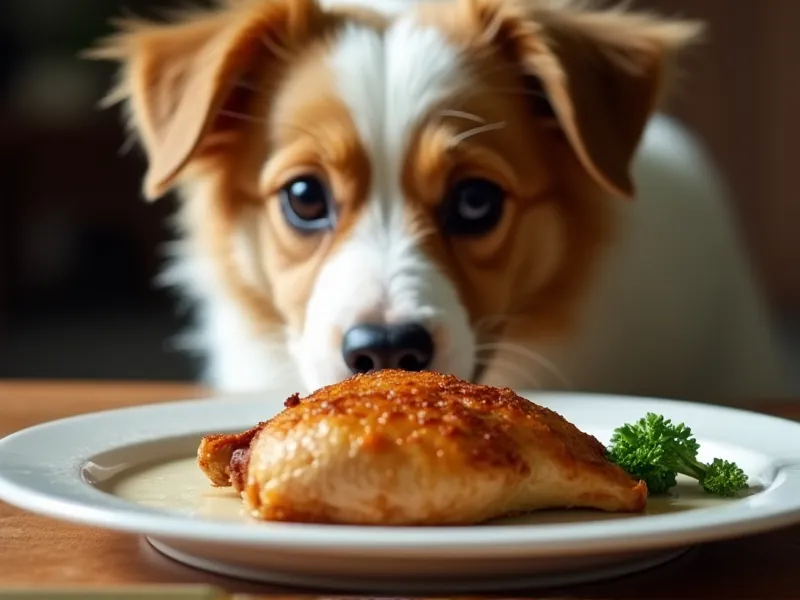
Table of Contents
- What Is Cornish Hen, Anyway?
- Can Dogs Eat Cornish Hen? The Short Answer
- The Benefits of Cornish Hen for Dogs
- The Risks of Feeding Cornish Hen to Dogs (What to Watch For)
- How Much Cornish Hen Can Dogs Eat? (Portion Guidelines)
- Healthier Alternatives to Cornish Hen
- Frequently Asked Questions (FAQ)
- Conclusion: Share Responsibly, Consult Your Vet
What Is Cornish Hen, Anyway?
Before we answer whether dogs can eat Cornish hen, let’s clarify what it is. Contrary to its name, a Cornish hen isn’t a separate breed of chicken—it’s actually a young chicken, typically 4-6 weeks old, bred to be small (about 1-2 pounds) and tender. It’s often sold whole, making it perfect for individual servings or small families.
Nutritionally, Cornish hen is similar to regular chicken: high in protein, low in fat (when skin is removed), and rich in vitamins and minerals. The key difference? Its size and tenderness, which make it a popular choice for special meals.
Can Dogs Eat Cornish Hen? The Short Answer
Yes, dogs can eat plain, cooked Cornish hen in moderation. When prepared correctly (no bones, no seasoning, no skin), Cornish hen can be a safe, protein-packed treat for your pup. However, there are critical risks to avoid—like bones, seasoning, and overfeeding—that could harm your dog’s health.
Think of it this way: Cornish hen is essentially a tiny chicken, and plain chicken is a staple in many high-quality dog foods. So, in its simplest form, it’s not toxic. But as with any human food, context matters.
The Benefits of Cornish Hen for Dogs
When fed safely, Cornish hen offers several nutritional perks for your dog. Let’s break down the key benefits:
1. Lean Protein for Muscle Health
Dogs are omnivores, but protein is the foundation of their diet. Cornish hen is an excellent source of lean, high-quality protein, which supports:
- Muscle growth and repair (especially important for active dogs or seniors with muscle loss).
- A healthy coat and skin (protein provides amino acids like cysteine and methionine, which are essential for fur health).
- Strong immune function (proteins help produce antibodies that fight infections).
2. B Vitamins for Energy and Brain Health
Cornish hen is rich in B vitamins, including:
- B6 and B12: These vitamins help convert food into energy, support brain function, and maintain healthy red blood cells. B12 is especially important for nerve health—deficiencies can lead to weakness or even neurological issues in dogs.
- Niacin (B3): Aids in digestion and skin health, and helps regulate cholesterol levels.
3. Potassium for Heart and Muscle Function
Potassium is an electrolyte that plays a vital role in:
- Regulating heart rhythm (important for dogs with heart conditions).
- Supporting muscle contraction (so your dog can run, jump, and play without cramping).
- Balancing fluids in the body (prevents dehydration-related issues).
4. Iron and Zinc for Overall Wellness
Cornish hen contains small amounts of iron (supports red blood cell production) and zinc (boosts immune function and wound healing). While dogs don’t need large doses of these minerals, they’re still beneficial as part of a balanced diet.
The Risks of Feeding Cornish Hen to Dogs (What to Watch For)
While Cornish hen has benefits, it’s not without risks. Here’s what to avoid to keep your dog safe:
1. Bones: A Choking and Internal Perforation Hazard
The biggest risk of Cornish hen (or any poultry) for dogs is the bones. Cooked bones—including those from Cornish hen—are brittle and can splinter when chewed. These sharp fragments can:
- Get stuck in your dog’s throat, causing choking.
- Tear the esophagus, stomach, or intestines (which can be life-threatening and require surgery).
Even small bones (like those in wings or drumsticks) are dangerous. Always remove all bones before feeding Cornish hen to your dog.
2. Seasoning: Onions, Garlic, Salt, and Sugar Are Toxic
Most people season Cornish hen with herbs, spices, or sauces to enhance flavor—but many of these are toxic to dogs. Common culprits include:
- Onions and garlic: Found in stuffing, gravies, or seasoning blends, these contain thiosulphate, which damages a dog’s red blood cells and can cause anemia.
- Salt: Excess salt leads to sodium ion poisoning, causing vomiting, diarrhea, seizures, or even death.
- Sugar: Cornish hen glazes (like honey or brown sugar) are high in sugar, which contributes to obesity, dental issues, and diabetes in dogs.
- Butter or oil: Used for basting, these add unnecessary fat, increasing the risk of pancreatitis (a painful inflammation of the pancreas).
Rule of thumb: Only share plain, unseasoned Cornish hen with your dog. No stuffing, no sauce, no spices.
3. Skin and Fat: A Recipe for Pancreatitis
Cornish hen skin is high in fat, and while a little fat is okay, too much can trigger pancreatitis in dogs. Pancreatitis causes severe abdominal pain, vomiting, diarrhea, and can be fatal if untreated. Even if your dog doesn’t develop pancreatitis, excess fat can lead to obesity over time.
To keep it safe, always remove the skin before feeding Cornish hen to your dog.
4. Overfeeding: Disrupting Their Balanced Diet
Cornish hen is a treat, not a meal replacement. Dogs thrive on balanced dog food formulated to meet their specific nutritional needs (e.g., puppy, senior, or breed-specific formulas). Feeding too much Cornish hen can:
- Upset their stomach (diarrhea, vomiting) due to a sudden change in diet.
- Lead to nutrient imbalances (e.g., too much protein, not enough fiber).
- Contribute to weight gain (since treats should make up no more than 10% of your dog’s daily calories).
How Much Cornish Hen Can Dogs Eat? (Portion Guidelines)
If you want to share Cornish hen with your dog, moderation is key. Here’s a general guide based on your dog’s size:
| Dog Size | Serving Size (Cooked, Boneless, Skinless Cornish Hen) | Frequency |
|---|---|---|
| Small (5-20 lbs) | 1-2 tablespoons (about 0.5-1 ounce) | 1-2 times per week |
| Medium (21-50 lbs) | 2-4 tablespoons (about 1-2 ounces) | 1-2 times per week |
| Large (51+ lbs) | 3-5 ounces | 1-2 times per week |
Pro tip: Treats (including Cornish hen) should make up no more than 10% of your dog’s daily calories. For example, a 30-pound dog eating 1,000 calories per day should have no more than 100 calories from treats—about 2 ounces of cooked, boneless Cornish hen (which has ~100 calories per 2 ounces).
Healthier Alternatives to Cornish Hen
If you’re looking for safer or more convenient protein treats, consider these alternatives to Cornish hen:
1. Plain Cooked Chicken Breast
Chicken breast is leaner than Cornish hen (since Cornish hen is a young bird, it may have slightly more fat), easier to find, and less likely to be seasoned. It’s a staple in many dog foods and is safe for most dogs.
2. Turkey (Boneless, Skinless)
Turkey is another lean protein with similar benefits to chicken. It’s high in tryptophan (which helps produce serotonin, the “happy hormone”) and is a great option for dogs with chicken allergies (though rare).
3. Lean Beef (Cooked, No Fat)
Beef is rich in iron and zinc, but choose lean cuts like sirloin or round steak. Avoid fatty cuts (like ribs) or processed beef (e.g., deli meat, which has salt).
4. Cooked Salmon (No Bones)
Salmon is packed with omega-3 fatty acids, which support joint health, skin, and coat. Just ensure it’s fully cooked to avoid parasites.
5. Dog-Safe Vegetables (With Protein)
Pair small amounts of cooked protein (like chicken) with veggies like carrots, green beans, or sweet potatoes for a balanced treat. Veggies add fiber and nutrients without extra calories.
Frequently Asked Questions (FAQ)
Q: Can dogs eat Cornish hen bones?
A: No! Cooked bones (including Cornish hen bones) splinter easily and can choke your dog or tear their digestive tract. Always remove bones before feeding.
Q: Is raw Cornish hen safe for dogs?
A: Raw poultry (including Cornish hen) can contain harmful bacteria like Salmonella or E. coli, which can sicken both dogs and humans. It’s safer to feed fully cooked Cornish hen.
Q: Can puppies eat Cornish hen?
A: Puppies can have small amounts of plain, cooked Cornish hen, but introduce it slowly to avoid stomach upset. Puppies have sensitive tummies, so stick to their regular puppy food as the main diet.
Q: My dog ate Cornish hen with seasoning—what should I do?
A: If the seasoning contained onions, garlic, or large amounts of salt/sugar, contact your vet immediately. Symptoms like vomiting, diarrhea, lethargy, or pale gums may indicate toxicity.
Q: Is Cornish hen better than regular chicken for dogs?
A: No—nutritionally, they’re nearly identical. Regular chicken is often cheaper, easier to find, and less likely to be seasoned, making it a more practical choice.
Conclusion: Share Responsibly, Consult Your Vet
So, can dogs eat Cornish hen? Yes—in small, plain, cooked portions, without bones, skin, or seasoning. It’s a tasty source of protein, B vitamins, and potassium, but it’s not without risks. Always prioritize your dog’s regular, balanced diet, and treat Cornish hen as an occasional indulgence.
If your dog has health issues (like pancreatitis, allergies, or kidney disease), or if you’re unsure whether to share a new food, consult your vet first. They can help you decide what’s safe based on your dog’s individual needs.
At the end of the day, sharing a bite of Cornish hen with your pup can be a sweet moment—just make sure it’s done safely. After all, their health and happiness are worth those extra few minutes of preparation.
Happy (and safe) snacking!
References
- American Kennel Club (AKC). “Can Dogs Eat Chicken? What You Need to Know.” akc.org
- ASPCA. “People Foods to Avoid Feeding Your Pets.” aspca.org
- PetMD. “Feeding Chicken to Dogs: Benefits and Risks.” petmd.com
- Veterinary Centers of America (VCA). “Pancreatitis in Dogs.” vcahospitals.com