· 8 min read
Can Dogs Eat Corned Beef Hash? A Pet Parent’s Guide to Risks, Benefits, and Safer Alternatives
It’s a quiet Sunday morning. You’re cozied up with a warm plate of corned beef hash—golden potatoes, tender beef, and a hint of savory seasoning. Across the table, your dog sits, tail thumping a steady rhythm against the floor, their big, hopeful eyes locked on your fork. “Just one tiny bite?” you think. After all, sharing food feels like love, right? But before you give in, you pause: Is corned beef hash safe for dogs?
As pet parents, we’ve all been there. We want to treat our furry friends, but not all human foods are created equal. Some are harmless, others are toxic, and some fall into a gray area—leaving us wondering if that “just one bite” could do more harm than good.
In this guide, we’ll dive into everything you need to know about corned beef hash and your dog. We’ll answer the big question upfront, break down the potential risks (and minimal benefits), share guidelines for what to do if your pup sneaks a bite, and even suggest healthier alternatives that let you bond over mealtime without worry. Let’s dig in!
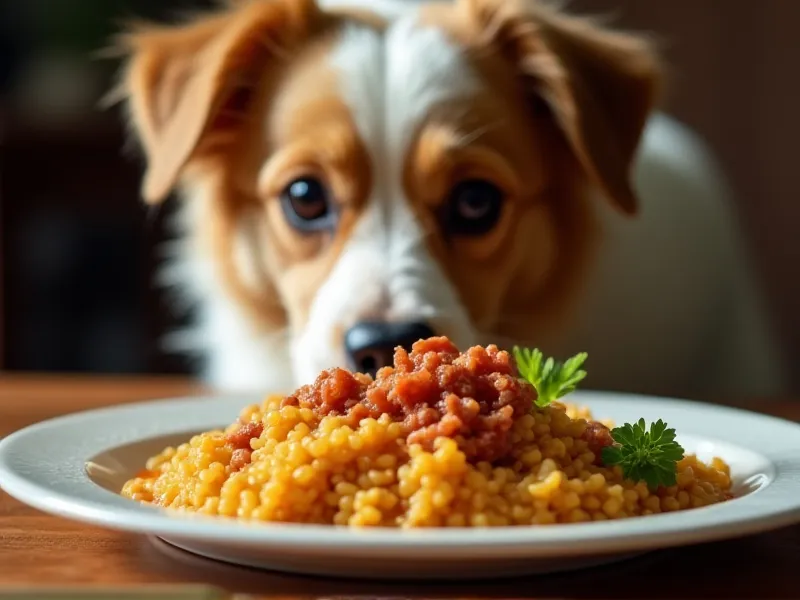
Table of Contents
- Can Dogs Eat Corned Beef Hash? The Short Answer
- What Is Corned Beef Hash, Anyway?
- Potential “Benefits”: Are There Any Upsides?
- The Risks: Why Corned Beef Hash Is a Concern for Dogs
- High Sodium: A Hidden Danger
- Onions and Garlic: Toxic to Dogs
- High Fat: A Pancreatitis Risk
- Added Sugars and Spices
- Choking Hazards
- How Much Corned Beef Hash Is “Safe” for Dogs?
- Healthier Alternatives to Corned Beef Hash
- FAQ: Your Top Questions Answered
- Conclusion: Prioritizing Your Dog’s Health
Can Dogs Eat Corned Beef Hash? The Short Answer
Let’s cut to the chase: Corned beef hash is not recommended for dogs.
While a tiny, accidental bite is unlikely to cause severe harm (depending on the ingredients), the risks far outweigh any potential benefits. From high sodium to toxic additives, this breakfast staple is more trouble than it’s worth for your pup. To keep your dog safe, it’s best to skip sharing corned beef hash altogether.
What Is Corned Beef Hash, Anyway?
Before we unpack why it’s risky, let’s clarify what corned beef hash actually is. Traditionally, it’s a hearty dish made from diced corned beef (beef brisket brined in a saltwater solution with spices like peppercorns, bay leaves, and cloves), cooked potatoes, and often onions, bell peppers, or other seasonings. It’s commonly canned for convenience, though homemade versions exist too.
Canned varieties may include preservatives, extra salt, sugar, or artificial flavors to enhance taste and shelf life. Even “homemade” recipes often rely on high-sodium corned beef and added fats (like butter or oil) to crisp the potatoes—all of which spell trouble for dogs.
Potential “Benefits”: Are There Any Upsides?
At first glance, you might think, “Potatoes and beef—those sound healthy!” And you’re not entirely wrong: Plain, unseasoned versions of these ingredients can offer some nutrients. But corned beef hash is a far cry from “plain and unseasoned.” Let’s break down the hypothetical benefits (and why they don’t hold up):
Nutrients in Isolation
- Potatoes: Cooked, plain potatoes are a good source of fiber, potassium, vitamin C, and B vitamins for dogs. They’re even used in some commercial dog foods as a digestible carb.
- Beef: Lean, unprocessed beef is rich in protein, iron, zinc, and B12—all essential for your dog’s muscles, immune system, and energy.
The Problem: Preparation Ruins It
The issue? Corned beef hash isn’t made with plain potatoes or lean beef. The corned beef is brined in high salt, and the dish is often cooked with added fat, spices, or toxic ingredients like onions. These additions turn a potentially neutral (or even beneficial) combo into a health hazard.
In short: The “benefits” of the individual ingredients are completely overshadowed by the harmful way they’re prepared in corned beef hash.
The Risks: Why Corned Beef Hash Is a Concern for Dogs
Now, let’s get to the heart of the matter: the risks. Here’s why corned beef hash is a poor choice for your pup:
1. High Sodium: A Major Threat to Canine Health
Dogs have much lower sodium needs than humans. According to the Association of American Feed Control Officials (AAFCO), adult dogs need just 0.3% sodium in their diet (about 100mg per kg of body weight daily). A single serving of corned beef hash, however, can contain 800–1,200mg of sodium—more than double the daily limit for a 30-pound dog!
Excess sodium causes:
- Dehydration: Thirst, dry gums, and reduced energy.
- Electrolyte imbalances: Which can lead to muscle tremors, seizures, or even brain swelling.
- Kidney damage: Over time, high salt intake strains the kidneys, increasing the risk of chronic kidney disease.
- Salt toxicity: In severe cases (e.g., a small dog eating a large portion), sodium poisoning can occur, with symptoms like vomiting, diarrhea, confusion, and in rare cases, death.
2. Onions and Garlic: Hidden Toxins
Many corned beef hash recipes (homemade or canned) include onions or garlic—two ingredients that are toxic to dogs, even in small amounts. These belong to the allium family, which contains compounds that damage a dog’s red blood cells, leading to a condition called hemolytic anemia.
Symptoms of onion/garlic toxicity include:
- Lethargy or weakness
- Pale gums
- Rapid breathing or panting
- Vomiting or diarrhea
- Dark, discolored urine
If you suspect your dog ate hash with onions or garlic, contact your vet immediately.
3. High Fat: A Recipe for Pancreatitis
Corned beef is made from brisket, a fatty cut of meat. When combined with oil or butter (used to cook the potatoes), the dish becomes high in fat—another major risk for dogs.
Dogs can’t digest large amounts of fat well, and it can trigger pancreatitis—an inflammation of the pancreas. This condition is excruciatingly painful and can be life-threatening. Symptoms include:
- Severe vomiting
- Abdominal pain (your dog may hunch over or resist touch)
- Loss of appetite
- Lethargy
Pancreatitis often requires hospitalization, so it’s not a risk worth taking.
4. Added Sugars and Spices
Some canned corned beef hashes include added sugar to balance the saltiness. Dogs don’t need sugar in their diet, and excess sugar can lead to obesity, dental issues, or even diabetes over time.
Spices like paprika, black pepper, or chili flakes (common in hash) can also irritate your dog’s stomach, causing nausea, diarrhea, or gas.
5. Choking Hazards
Canned corned beef hash can have tough, chewy chunks of meat or large potato pieces, especially if not properly diced. For small dogs or those who gulp food, these chunks pose a choking risk. Even larger dogs may struggle to chew tough meat, leading to gagging or blockages.
How Much Corned Beef Hash Is “Safe” for Dogs?
The short answer: None. Even a small amount can expose your dog to sodium, fat, or toxic ingredients.
If your dog accidentally steals a tiny bite (e.g., a pea-sized piece), monitor them for 24 hours. Watch for signs of stomach upset (vomiting, diarrhea), excessive thirst, or lethargy. If they ate a larger portion—or if the hash contained onions/garlic—contact your vet right away.
Remember: “Safe in small amounts” is not the same as “recommended.” There’s no reason to feed your dog corned beef hash when there are plenty of healthier options available.
Healthier Alternatives to Corned Beef Hash
Instead of sharing your hash, try these dog-safe alternatives to treat your pup:
1. Plain Cooked Potatoes
Boil or bake a potato (no salt, butter, or seasoning), mash it, and serve a spoonful. It’s a great source of fiber and potassium.
2. Lean Cooked Meat
Offer a small amount of cooked chicken, turkey, or lean beef (no salt, spices, or fat). These are packed with protein and iron.
3. Sweet Potato Hash
Dice sweet potatoes, carrots, and a little cooked lean turkey. Bake them until tender for a nutrient-dense, low-sodium “hash” your dog will love.
4. Green Beans or Carrots
Steamed green beans or carrots make crunchy, low-calorie snacks rich in vitamins and fiber.
5. Commercial Dog Treats
When in doubt, stick to treats specifically formulated for dogs—they’re designed to meet their nutritional needs without harmful additives.
FAQ: Your Top Questions Answered
Q: My dog ate a small piece of corned beef hash—should I panic?
A: Probably not, but monitor them closely. If they show symptoms (vomiting, diarrhea, excessive thirst), call your vet. If the hash had onions/garlic, contact your vet immediately.
Q: Can dogs eat corned beef (without the hash)?
A: No. Corned beef is brined in salt, making it high in sodium. Even plain corned beef poses the same risks as the hash.
Q: Are potatoes always safe for dogs?
A: Raw potatoes or green potato skins contain solanine, a toxin. Cooked, plain potatoes (no seasoning) are safe in moderation.
Q: What are the signs of salt toxicity in dogs?
A: Symptoms include extreme thirst, urination, vomiting, diarrhea, tremors, seizures, or confusion. Seek emergency care if you notice these.
Q: Can I make a dog-friendly version of corned beef hash?
A: Yes! Try this recipe: Cook lean ground turkey, diced plain potatoes, and carrots in water (no salt, oil, or spices). Mash lightly and serve a small portion as an occasional treat.
Conclusion: Prioritizing Your Dog’s Health
While it’s tempting to share your meals with your furry friend, corned beef hash is best left off their plate. Its high sodium, fat, and potential toxins (like onions) make it a risky choice, even in small amounts.
Instead, opt for dog-safe alternatives like plain potatoes, lean meat, or veggies—your pup will enjoy them just as much, and you’ll have peace of mind knowing you’re keeping them healthy.
When in doubt about a food, always consult your vet. They can help you make informed choices that support your dog’s long-term health. After all, a happy dog is a healthy dog!
References
- American Society for the Prevention of Cruelty to Animals (ASPCA). “Onions.” aspca.org/pet-care/animal-poison-control/people-foods-avoid-feeding-your-pet
- American Kennel Club (AKC). “Salt Poisoning in Dogs.” akc.org/expert-advice/health/salt-poisoning-in-dogs/
- PetMD. “Pancreatitis in Dogs.” petmd.com/dog/conditions/digestive/c_dg_pancreatitis
- Association of American Feed Control Officials (AAFCO). “Dog Food Nutrient Profiles.” aafco.org/Consumer-Information/AAFCO-Approved-Pet-Foods