· 7 min read
Can Dogs Eat Corned Beef and Cabbage? A Pet Parent’s Guide to Holiday Foods
It’s St. Patrick’s Day, and your kitchen is filled with the savory aroma of simmering corned beef and cabbage. Your dog, ever the eager foodie, sits at your feet, tail thumping, eyes locked on your plate. You pause—should you share a bite? After all, cabbage is a veggie, and corned beef looks like just another meat… right?
Before you give in to those puppy-dog eyes, let’s dive into the facts. Can dogs safely enjoy corned beef and cabbage, or is this classic comfort food better left off their menu? We’ll break down the risks, potential benefits, and safer alternatives to help you make the best choice for your furry friend.
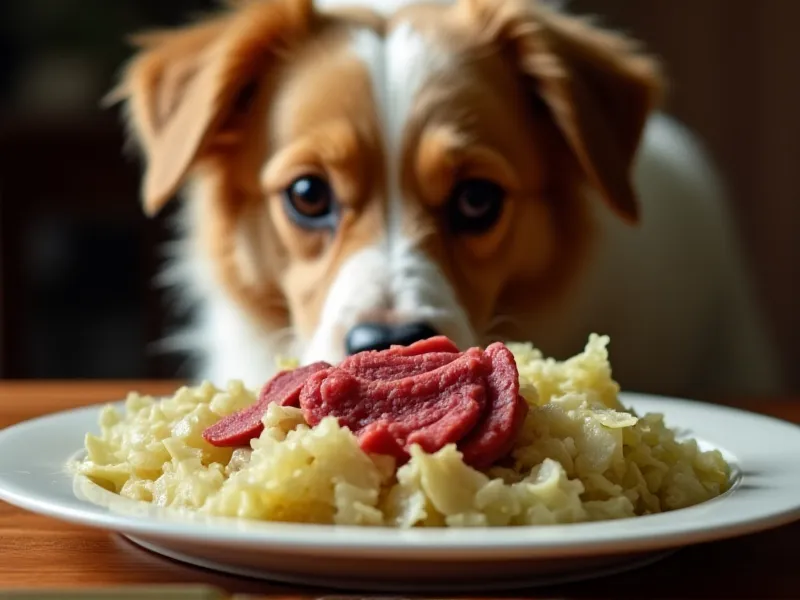
Table of Contents
- Can Dogs Eat Corned Beef and Cabbage? The Short Answer
- Breaking Down the Ingredients: Corned Beef vs. Cabbage
- Potential Benefits of Cabbage for Dogs (Yes, There Are Some!)
- The Risks of Corned Beef: Why It’s a Red Flag
- Cabbage Risks: When Even Veggies Can Cause Trouble
- How Much (If Any) Is Safe to Feed?
- Healthier Alternatives to Corned Beef and Cabbage
- FAQ: Your Top Questions Answered
- Conclusion: Prioritizing Your Dog’s Health This Holiday Season
Can Dogs Eat Corned Beef and Cabbage? The Short Answer
No, dogs should not eat corned beef and cabbage—at least, not the traditional version. Here’s why:
- Corned beef is highly processed, loaded with salt, and often contains added sugars, spices, or preservatives that are unsafe for dogs.
- Cabbage, while not toxic, can cause digestive upset in large amounts, and when paired with corned beef’s high sodium, it becomes a risky combo.
In short: Cabbage might be safe in tiny, plain portions, but corned beef is a hard pass. Let’s unpack the details.
Breaking Down the Ingredients: Corned Beef vs. Cabbage
To understand why this dish is problematic, let’s look at each component separately.
What Is Corned Beef?
Corned beef is beef brisket cured in a brine (saltwater) mixed with spices like peppercorns, bay leaves, and sometimes sugar or nitrates (preservatives). The “corn” in its name refers to the large salt crystals historically used to cure the meat—not actual corn!
While it’s a staple in holiday meals, its processing makes it dangerous for dogs.
What Is Cabbage?
Cabbage is a cruciferous vegetable (think broccoli, kale) packed with fiber, vitamins, and minerals. It’s low in calories and often praised for its health benefits in humans. But for dogs, its effects are more nuanced.
Potential Benefits of Cabbage for Dogs (Yes, There Are Some!)
Cabbage isn’t all bad—when served plain and in moderation, it can offer some nutritional perks:
- Fiber for digestion: Cabbage is rich in insoluble fiber, which helps keep your dog’s gut moving and supports healthy bowel movements.
- Vitamins & minerals: It’s a good source of vitamin C (supports immune health), vitamin K (aids blood clotting), and potassium (regulates heart function and blood pressure).
- Antioxidants: Compounds like anthocyanins (in red cabbage) may help fight inflammation.
But—and this is a big but—these benefits come with caveats, which we’ll cover next.
The Risks of Corned Beef for Dogs: Why It’s a Red Flag
Corned beef is the bigger concern here. Let’s break down the dangers:
1. Extremely High Sodium Content
Dogs need only tiny amounts of sodium (about 200mg per day for a 33-pound dog, according to the National Research Council). A single slice of corned beef can contain 500–800mg of sodium—more than double a dog’s daily needs!
Excess sodium leads to:
- Dehydration: Increased thirst and urination.
- Sodium ion poisoning: Symptoms include vomiting, diarrhea, tremors, seizures, and even death in severe cases (AVMA).
- Long-term issues: Chronic high salt intake raises the risk of hypertension (high blood pressure) and kidney disease.
2. Added Sugars & Spices
Many store-bought corned beef brines include sugar to balance the saltiness. Dogs don’t need sugar, and excess can lead to obesity or diabetes.
Spices like cloves, allspice, or garlic (sometimes added to brines) are also problematic: Garlic is toxic to dogs in large amounts, and even small doses can damage red blood cells over time (ASPCA).
3. Preservatives Like Nitrates
Some corned beef uses nitrates or nitrites to extend shelf life and enhance color. These chemicals have been linked to cancer in humans and may pose similar risks to dogs with long-term exposure (PetMD).
4. High Fat Content
Corned beef is often fatty, which can trigger pancreatitis in dogs—a painful, life-threatening condition where the pancreas becomes inflamed. Symptoms include vomiting, lethargy, and loss of appetite.
Cabbage Risks: When Even Veggies Can Cause Trouble
Cabbage is safer than corned beef, but it’s not risk-free:
- Gas & bloating: Cruciferous veggies contain raffinose, a sugar that dogs can’t digest well. This leads to fermentation in the gut, causing gas, bloating, or diarrhea—especially in dogs with sensitive tummies.
- Goitrogens: Raw cabbage has compounds called goitrogens, which may interfere with thyroid function if fed in very large amounts (though cooking reduces this risk, per the American Kennel Club).
- Choking hazard: Large, unchewed pieces of cabbage can get stuck in a dog’s throat or intestines, leading to choking or blockages.
How Much (If Any) Is Safe to Feed?
Let’s be clear: Corned beef should never be fed to dogs—even a small bite can spike their sodium levels.
For cabbage, if you must share (and your dog tolerates it), stick to these rules:
- Plain & unseasoned: No butter, salt, or spices. Steam or boil it (raw cabbage is harder to digest and higher in goitrogens).
- Tiny portions: A tablespoon for small dogs (e.g., Chihuahuas), 2–3 tablespoons for large dogs (e.g., Great Danes), once in a while.
- Monitor for reactions: Watch for gas, bloating, or diarrhea. If your dog shows discomfort, skip cabbage in the future.
Healthier Alternatives to Corned Beef and Cabbage
Instead of sharing your holiday plate, opt for these dog-safe foods that offer similar benefits without the risks:
| Alternative | Why It’s Better |
|---|---|
| Green beans | Low-calorie, high in fiber and vitamins A, C, and K. No gas, easy to digest. |
| Carrots | Crunchy, low-sugar, and packed with beta-carotene (supports eye health). |
| Cooked sweet potato | Rich in fiber, vitamin A, and antioxidants. Avoid adding butter or sugar. |
| Plain chicken breast | Lean protein, easy on the stomach, and a hit with most dogs. No bones or seasoning! |
| Pumpkin (plain, canned) | Soothes upset tummies and adds fiber. Great for digestion. |
FAQ: Your Top Questions Answered
Q: Can dogs eat corned beef hash?
A: No. Hash often includes potatoes (which are safe plain, but hash adds salt, oil, and spices) and more corned beef, doubling down on sodium and fat risks.
Q: Is red cabbage safer than green cabbage for dogs?
A: Both are similar in risks and benefits. Red cabbage has more antioxidants but the same gas-inducing raffinose. Stick to small portions of either, cooked.
Q: My dog stole a bite of corned beef—should I panic?
A: If it’s a tiny nibble (e.g., a crumb), monitor for 24 hours. Watch for thirst, vomiting, or diarrhea. If they ate a large amount (e.g., a full slice), call your vet immediately—sodium poisoning can set in quickly.
Q: Can puppies eat cabbage?
A: Puppies have sensitive tummies, so even small amounts of cabbage may cause gas or diarrhea. It’s best to skip it until they’re older (6+ months) and introduce new foods slowly.
Conclusion: Prioritizing Your Dog’s Health This Holiday Season
Corned beef and cabbage may be a beloved tradition, but it’s not worth risking your dog’s health. While plain cabbage in tiny portions might offer minor benefits, the high sodium, fat, and preservatives in corned beef make the dish unsafe.
Instead, stick to dog-approved treats like green beans, carrots, or plain chicken. And if you’re unsure about a food, always check with your vet—they know your dog’s unique needs best.
This St. Patrick’s Day (or any day), show your pup love with snuggles, playtime, and a safe snack. They’ll wag their tail just as hard—promise!
References
- American Veterinary Medical Association (AVMA). “Salt Toxicity in Pets.”
- American Society for the Prevention of Cruelty to Animals (ASPCA). “Toxic and Non-Toxic Plants: Cabbage.”
- PetMD. “Can Dogs Eat Cabbage?”
- National Research Council. “Nutrient Requirements of Dogs and Cats.”
- American Kennel Club (AKC). “Human Foods Dogs Can and Can’t Eat.”