· 8 min read
Can Dogs Eat Corn Tortilla Chips? The Surprising Truth Every Pet Parent Should Know
It’s a familiar scene: You’re curled up on the couch, halfway through a bag of crispy corn tortilla chips, when you feel a wet nose nudge your hand. Your dog sits there, tail thumping, eyes wide—“Can I have a bite?” they seem to ask. As a pet parent, you want to share the love (and maybe a snack), but you pause. Are corn tortilla chips safe for dogs?
We’ve all been there. With so much conflicting info online, it’s hard to know what’s okay to share and what’s off-limits. In this post, we’ll break down everything you need to know: the short answer, the ingredients to watch for, potential benefits (yes, there are a few!), hidden risks, and even healthier alternatives to satisfy your pup’s snack cravings. Let’s dive in.
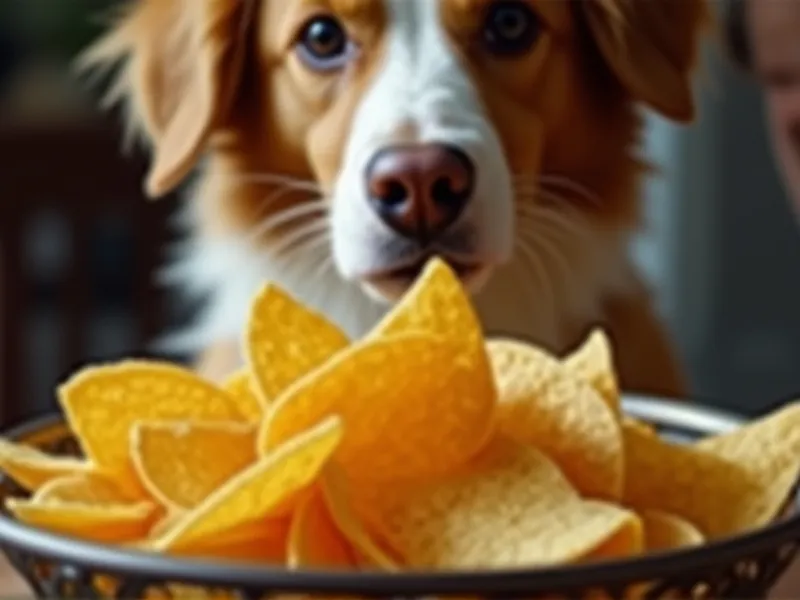
Table of Contents
- Can Dogs Eat Corn Tortilla Chips? The Short Answer
- What Are Corn Tortilla Chips, Anyway? A Closer Look at the Ingredients
- Potential Benefits of Corn Tortilla Chips for Dogs (Spoiler: They’re Minimal)
- Fiber: A Tiny Boost for Digestion
- Potassium: Supporting Heart and Muscle Health
- B Vitamins: A Nod to Energy Metabolism
- The Risks: Why Corn Tortilla Chips Are Often More Harm Than Good
- Sodium Overload: A Threat to Your Dog’s Heart and Kidneys
- Fat: A Recipe for Pancreatitis and Weight Gain
- Hidden Sugars: Empty Calories That Add Up
- Choking Hazard: Small, Hard, and Crunchy—A Dangerous Combo
- Digestive Upset: From Diarrhea to Stomach Aches
- How Much (If Any) Is Safe to Feed? Guidelines for Pet Parents
- Healthier Alternatives to Corn Tortilla Chips
- FAQ: Your Burning Questions Answered
- Conclusion: Moderation and Common Sense Are Key
- References
Can Dogs Eat Corn Tortilla Chips? The Short Answer
Yes, but very rarely, and only in tiny amounts. Corn tortilla chips aren’t toxic to dogs, but they’re far from a healthy snack. The processing, added salt, fat, and potential seasonings make them more of a “sometimes, maybe” treat—if you’re feeling generous and your dog has no underlying health issues.
Think of it this way: A single chip won’t harm most dogs, but a handful could lead to serious problems. Let’s unpack why.
What Are Corn Tortilla Chips Made Of?
To understand if they’re safe, let’s start with the basics. Most corn tortilla chips are made from:
- Corn masa: Ground corn treated with lime (calcium hydroxide), which makes nutrients more absorbable.
- Oil: Usually vegetable, canola, or sunflower oil—used for frying, which adds fat.
- Salt: Added for flavor (often a lot of it).
- Optional seasonings: Chili powder, cheese, lime, or other spices (which can be problematic for dogs).
The issue? It’s not the corn itself—corn is a common ingredient in many dog foods and is generally safe. It’s the processing and additives that turn a simple grain into a risky snack.
Potential Benefits of Corn Tortilla Chips for Dogs (Spoiler: They’re Minimal)
Corn tortilla chips do have trace amounts of nutrients from the corn, but don’t get too excited—these benefits are overshadowed by the risks. Here’s what’s in there:
1. Fiber: A Tiny Boost for Digestion
Corn is a good source of dietary fiber, which helps keep your dog’s digestive system moving. A single chip might have a fraction of a gram of fiber, but that’s hardly enough to make a difference. For context, a cup of plain, cooked corn has about 2.5 grams of fiber—way more than a handful of chips.
2. Potassium: Supporting Heart and Muscle Health
Corn also contains potassium, an electrolyte that helps regulate heart rhythm and muscle function. Again, the amount in a chip is negligible. Your dog would need to eat an entire bag (which is dangerous!) to get any meaningful potassium boost.
3. B Vitamins: A Nod to Energy Metabolism
Corn has small amounts of B vitamins like thiamine (B1) and niacin (B3), which help convert food into energy. But once again: The benefits are minimal compared to the risks of the salt, fat, and oil.
The Risks: Why Corn Tortilla Chips Are Often More Harm Than Good
Now, let’s talk about the downsides—because these are what really matter.
1. Sodium Overload: A Threat to Your Dog’s Heart and Kidneys
Dogs need only a tiny amount of sodium to stay healthy: about 100 mg per 100 calories of food, according to the National Research Council. Most corn tortilla chips have 150–200 mg of sodium per ounce (about 10–15 chips). For a 30-pound dog, that’s nearly half their daily sodium limit in just a handful!
Too much sodium can cause:
- Excessive thirst and urination
- Vomiting or diarrhea
- Lethargy
- In severe cases: Sodium ion poisoning, which leads to seizures, kidney failure, or even death.
Dogs with heart disease, kidney issues, or high blood pressure are especially at risk.
2. Fat: A Recipe for Pancreatitis and Weight Gain
Frying chips in oil adds unhealthy fat. A single ounce of chips has 7–10 grams of fat—most of it saturated or trans fat. Over time, this can lead to obesity, which raises the risk of diabetes, joint pain, and heart disease.
Worse, high-fat snacks can trigger pancreatitis—an inflammation of the pancreas that’s excruciatingly painful and life-threatening. Symptoms include vomiting, diarrhea, loss of appetite, and abdominal pain. Even a small amount of high-fat food can cause this in susceptible dogs (like small breeds or those with a history of pancreatitis).
3. Hidden Sugars: Empty Calories That Add Up
Some flavored chips (like sweet chili or honey lime) have added sugar, which dogs don’t need. Sugar contributes to weight gain and can even lead to dental decay. It also offers zero nutritional value—just empty calories.
4. Choking Hazard: Small, Hard, and Crunchy—A Dangerous Combo
Corn tortilla chips are small, hard, and brittle. A dog who gobbles one down without chewing could choke, especially small breeds or puppies. Even if they don’t choke, sharp chip fragments can scratch the throat or get stuck in the digestive tract.
5. Digestive Upset: From Diarrhea to Stomach Aches
The high fat, salt, and unfamiliar ingredients in chips can throw off your dog’s stomach. Many dogs will experience diarrhea, gas, or stomach cramps after eating even a few chips—especially if they have sensitive digestion.
How Much (If Any) Is Safe to Feed? Guidelines for Pet Parents
If you must share a chip (we get it—those puppy eyes are hard to resist), follow these rules:
- Stick to plain, unsalted chips: No flavorings, cheese, or spices (onion/garlic powder is toxic to dogs!).
- Size matters:
- Small dogs (5–10 lbs): ½–1 tiny chip, once every few months.
- Medium dogs (30–50 lbs): 1–2 chips, rarely (like, once a month max).
- Large dogs (60+ lbs): 2–3 chips, but even then, ask yourself: Is this necessary?
- Never make it a habit: Chips should never replace regular dog treats or meals.
- Watch for symptoms: After sharing, monitor your dog for vomiting, diarrhea, or lethargy. If you see any, contact your vet.
Healthier Alternatives to Corn Tortilla Chips
Instead of reaching for the chip bag, try these dog-safe snacks that offer nutrients without the risks:
1. Plain Cooked Corn
Skip the chips and give your dog a few kernels of plain, cooked corn (no butter, salt, or seasoning). It’s fiber-rich and satisfyingly crunchy.
2. Air-Popped Popcorn
Unsalted, unbuttered popcorn is a low-calorie, high-fiber snack. Just avoid unpopped kernels (choking hazard!).
3. Baked Sweet Potato Slices
Thinly slice sweet potatoes, bake until crispy, and let cool. They’re packed with vitamins A and C, and dogs love the sweetness.
4. Plain Corn Tortillas
Soft corn tortillas (not chips!) are less processed and lower in salt/fat. Tear off a tiny piece for a rare treat.
5. Commercial Dog Treats with Corn
Look for dog treats made with whole-grain corn as the main ingredient—these are formulated to be safe and nutritious.
FAQ: Your Burning Questions Answered
Q: Can dogs eat flavored tortilla chips (like nacho or chili lime)?
A: No. Flavored chips often have onion/garlic powder (toxic), cheese (high fat), or excessive salt. Stick to plain, unsalted chips only.
Q: My dog stole a whole bag of chips! What should I do?
A: Stay calm, but act fast. Contact your vet immediately—especially if your dog is small, has health issues, or shows symptoms (vomiting, diarrhea, lethargy). A large amount of salt/fat can cause pancreatitis or sodium poisoning.
Q: Are corn tortillas better than chips for dogs?
A: Yes. Corn tortillas are softer, less processed, and lower in salt and fat. A tiny piece (plain, no oil) is a safer occasional treat than chips.
Q: My dog has diabetes/kidney disease. Can they have a chip?
A: No. Dogs with diabetes can’t handle sugar, and those with kidney disease are extra sensitive to salt. Even a single chip could be dangerous—check with your vet first.
Conclusion: Moderation and Common Sense Are Key
Corn tortilla chips aren’t toxic to dogs, but they’re not a smart choice for a snack. The risks—sodium, fat, choking, and digestive upset—far outweigh the tiny nutritional benefits.
If you do share a chip, keep it to a minimum, choose plain and unsalted, and never make it a habit. And remember: When in doubt, consult your vet—they know your dog’s health best.
At the end of the day, your dog will be just as happy with a belly rub or a game of fetch as they are with a chip. Save the snacks for yourself, and keep their treats healthy!
References
- American Society for the Prevention of Cruelty to Animals (ASPCA). People Foods to Avoid Feeding Your Pets. aspca.org/pet-care/animal-poison-control/people-foods-avoid-feeding-your-pets
- American Kennel Club (AKC). Can Dogs Eat Corn? akc.org/expert-advice/nutrition/can-dogs-eat-corn/
- PetMD. Pancreatitis in Dogs. petmd.com/dog/conditions/digestive/c_dg_pancreatitis
- National Research Council. Nutrient Requirements of Dogs and Cats. National Academies Press, 2006.