· 8 min read
Can Dogs Eat Corn on the Cob? The Ultimate Guide for Pet Parents
It’s a warm summer evening, and you’re gathered around the grill with friends, the scent of charred corn on the cob mingling with the sound of your dog’s tail thumping against the deck. As you peel back the husk, revealing golden kernels glistening with butter, your pup tilts their head, begging with those irresistible eyes. “Just a little bite?” you wonder. “Can dogs even eat corn on the cob?”
If you’ve ever asked yourself this question, you’re not alone. Corn is a staple at barbecues, picnics, and family dinners, and it’s natural to want to share the joy with your furry companion. But before you toss them a cob, let’s dive into the facts: Is corn on the cob safe for dogs? What about plain corn kernels? And what risks (or benefits) might be hiding in that summery treat?
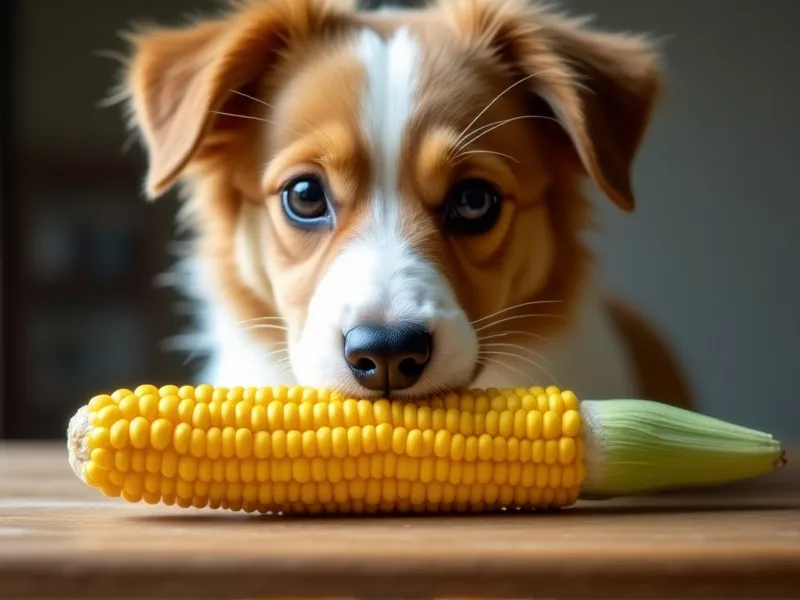
Table of Contents
- Can Dogs Eat Corn on the Cob? The Short Answer
- The Nutritional Benefits of Corn for Dogs
- The Hidden Risks of Corn on the Cob (and Corn in General)
- How to Safely Feed Corn to Dogs (If At All)
- Healthier Alternatives to Corn for Dogs
- Frequently Asked Questions About Dogs and Corn
- Conclusion: Treats in Moderation, Safety First
Can Dogs Eat Corn on the Cob? The Short Answer
No, dogs should not eat corn on the cob.
Let’s be clear: The danger lies in the cob, not the corn itself. Fresh, plain corn kernels (cooked, no additives) are generally safe for dogs in moderation. But the cob? It’s a serious hazard.
Corn cobs are hard, fibrous, and indigestible. If your dog takes a chunk (or the whole cob), they could choke on it. Worse, if they swallow pieces of the cob, it can get stuck in their intestines, causing a life-threatening blockage. According to the ASPCA, intestinal blockages from foreign objects like corn cobs often require surgery—and can be fatal if left untreated.
So, while sharing a few corn kernels might be okay, the cob itself is a big “no.”
The Nutritional Benefits of Corn for Dogs
If the cob is off-limits, why do some people even consider feeding corn to dogs? Because corn does have nutritional perks—when served safely. Let’s break down what corn brings to the table (for your pup, that is):
1. Fiber for Digestive Health
Corn is rich in dietary fiber, which helps keep your dog’s digestive system running smoothly. Fiber adds bulk to stool, preventing constipation, and supports the growth of healthy gut bacteria. Just remember: Too much fiber can cause diarrhea or stomach upset, so moderation is key.
2. Essential Vitamins
- B Vitamins: Corn contains B vitamins like thiamine (B1) and niacin (B3), which help convert food into energy, support brain function, and keep your dog’s coat shiny.
- Vitamin C: An antioxidant that boosts the immune system, fights inflammation, and helps with collagen production (great for joints and skin).
- Vitamin E: Another antioxidant that protects cells from damage and supports eye health.
3. Potassium for Heart & Muscle Health
Potassium is an electrolyte that regulates heart rate, muscle function, and fluid balance. It’s especially important for active dogs, as it helps prevent muscle cramps and keeps their heart ticking strong.
4. Antioxidants
Corn contains lutein and zeaxanthin—antioxidants that support eye health by protecting against age-related macular degeneration (yes, dogs can get that too!).
In short, corn isn’t “junk food” for dogs. It’s a source of key nutrients—when served correctly.
The Hidden Risks of Corn on the Cob (and Corn in General)
While corn kernels have benefits, there are risks to watch for—even beyond the cob. Let’s unpack the dangers:
1. Choking & Intestinal Blockage (The Big One)
We can’t stress this enough: The cob is the biggest risk. Dogs love to chew, and a corn cob’s size and texture make it easy for them to bite off a chunk. If that chunk gets stuck in their throat, it can block their airway, leading to choking.
If they swallow pieces of cob, the indigestible fibers can tangle in their intestines. Symptoms of a blockage include vomiting, diarrhea, loss of appetite, lethargy, or straining to poop. If you notice these, call your vet immediately.
2. Added Ingredients Are a No-Go
Most corn on the cob we eat isn’t plain. It’s slathered in butter, salt, pepper, chili powder, or even cheese. These extras are bad news for dogs:
- Butter/Oil: High in fat, which can trigger pancreatitis (a painful, life-threatening condition where the pancreas becomes inflamed).
- Salt: Too much sodium causes dehydration, electrolyte imbalances, or even sodium ion poisoning (symptoms: vomiting, diarrhea, seizures).
- Spices: Garlic, onion, or chili powder are toxic to dogs and can damage red blood cells.
3. High Sugar Content
Sweet corn (the kind we eat at BBQs) is higher in sugar than field corn (used in dog food). Too much sugar can lead to weight gain, obesity, or even diabetes over time. Dogs don’t need added sugars in their diet—their bodies aren’t designed to process them like humans.
4. Stomach Upset from Overindulgence
Even plain corn kernels can cause issues if your dog eats too many. The fiber in corn can irritate their stomach, leading to gas, bloating, or diarrhea. This is especially true for dogs with sensitive tummies or those unused to new foods.
How to Safely Feed Corn to Dogs (If At All)
If you want to share corn with your dog, follow these rules to keep them safe:
1. Only Feed Plain, Cooked Kernels
Skip the cob, and skip the toppings. Cooked corn (boiled or grilled, no butter/salt) is easier to digest than raw. Raw corn can be tough on their stomach and may contain bacteria like E. coli.
2. Remove the Kernels from the Cob First
Use a knife to carefully slice the kernels off the cob. Never let your dog near the cob—even if you think you’ve “cleaned” it, tiny bits of cob can still stick to the kernels.
3. Stick to Small Portions (As a Treat!)
Corn should be an occasional snack, not part of your dog’s regular diet. A good rule of thumb: Treats should make up no more than 10% of your dog’s daily calories.
Here’s a rough guide for portion sizes:
- Small dogs (under 20 lbs): 1–2 tablespoons of kernels
- Medium dogs (20–50 lbs): 2–3 tablespoons
- Large dogs (50+ lbs): 3–4 tablespoons
4. Watch for Allergies or Sensitivities
Some dogs are allergic to corn. Signs include itchy skin, ear infections, or digestive issues (vomiting/diarrhea) after eating corn. If you notice these, stop feeding corn and talk to your vet.
Healthier Alternatives to Corn for Dogs
If you’re looking for a safe, nutrient-packed treat, there are better options than corn. These alternatives are lower in sugar, higher in vitamins, and easier to digest:
1. Green Beans
Crunchy, low-calorie, and high in fiber and vitamins A, C, and K. Serve them raw or steamed (no salt).
2. Carrots
A classic! Carrots are loaded with beta-carotene (which turns into vitamin A) for eye health and have a satisfying crunch that cleans teeth.
3. Blueberries
Tiny powerhouses of antioxidants, vitamin C, and fiber. Perfect for a cool, sweet treat on hot days.
4. Pumpkin (Plain, Canned)
High in fiber and beta-carotene, pumpkin soothes upset stomachs and helps with both constipation and diarrhea. Just make sure it’s 100% pumpkin (not pie filling with sugar/spices).
5. Sweet Potato
Baked sweet potato is rich in vitamins A and C, fiber, and potassium—without the sugar spike of corn.
Frequently Asked Questions About Dogs and Corn
Q: Can dogs eat canned corn?
A: Maybe, but check the label first. Canned corn often has added salt or sugar, which is bad for dogs. Look for “no salt added” canned corn, rinse it to remove excess sodium, and serve a tiny portion (same guidelines as fresh corn).
Q: What if my dog accidentally ate a corn cob?
A: Don’t wait to see if they “pass it.” Call your vet immediately. Even small pieces can cause blockages. Your vet may induce vomiting (if the cob was eaten recently) or recommend X-rays to check for blockages.
Q: Is corn a “filler” in dog food? Is that bad?
A: Corn is sometimes called a “filler,” but that’s a myth. High-quality dog foods use corn as a source of energy, fiber, and nutrients. The problem is low-quality dog foods that use corn (or corn byproducts) as the main ingredient, skimping on protein. Always check the label: Protein (like chicken, beef, or fish) should be the first ingredient.
Q: Can dogs eat popcorn?
A: No, avoid popcorn. Unpopped kernels are a choking hazard, and popped popcorn is often covered in butter, salt, or sugar. Even plain popcorn can get stuck in their teeth or cause stomach upset.
Conclusion: Treats in Moderation, Safety First
So, can dogs eat corn on the cob? No—but plain, cooked corn kernels are safe in small amounts. The cob is the real danger, so keep it far from your pup.
Corn can be a fun, occasional treat, but it’s not necessary for their diet. When in doubt, opt for healthier alternatives like green beans or carrots. And if you ever have questions about what’s safe to feed your dog, consult your vet—they know your pup’s unique needs best.
At the end of the day, sharing food with your dog is about love. But the best way to show that love is to keep them safe. So next time you’re grilling corn, save the cob for the trash, and share a few kernels with your furry friend. They’ll wag their tail either way—and you’ll both enjoy the summer safely.
Sources:
- American Society for the Prevention of Cruelty to Animals (ASPCA). “People Foods to Avoid Feeding Your Pets.”
- American Kennel Club (AKC). “Can Dogs Eat Corn?”
- PetMD. “Is Corn Safe for Dogs?”
- Dr. Jennifer Coates, DVM. “The Truth About Corn in Dog Food.”