· 8 min read
Can Dogs Eat Cooked Corn Cobs? The Surprising Risks Every Pet Parent Should Know
It’s a warm Saturday afternoon, and you’re firing up the grill for a backyard BBQ. The scent of charred burgers and buttery corn on the cob fills the air—and your dog, Max, is giving you that look. His tail thumps a rapid rhythm against the patio, nose twitching as he eyes the golden corn cob in your hand. “Just a little nibble?” you wonder. “It’s cooked, so it’s soft, right? What harm could it do?”
If you’ve ever found yourself in this scenario, you’re not alone. Corn is a staple at cookouts, and sharing food with our furry friends feels like a gesture of love. But when it comes to corn cobs—even cooked ones—the answer isn’t as simple as “yes” or “no.” In fact, this common backyard snack could pose serious risks to your dog’s health.
In this post, we’ll break down everything you need to know: Can dogs safely eat cooked corn cobs? What are the hidden dangers? And if cobs are off-limits, are there healthier alternatives your pup can enjoy? Let’s dive in.
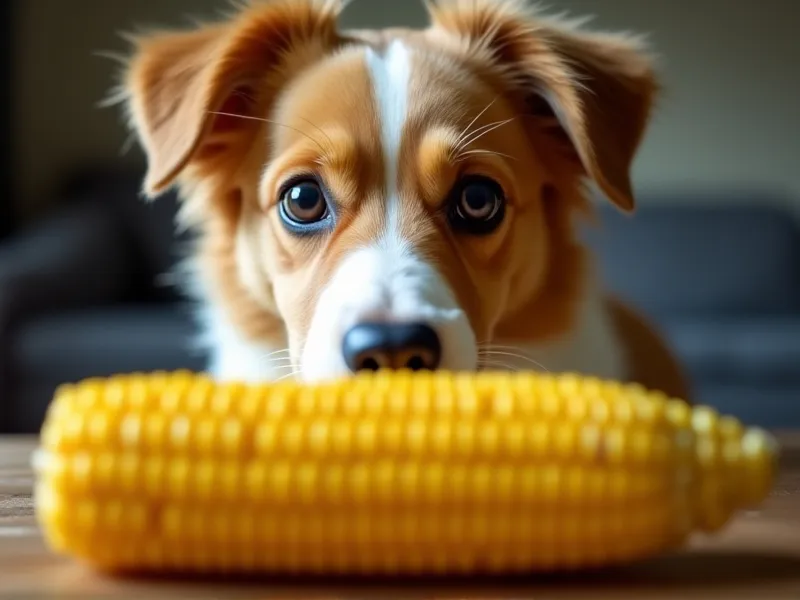
Table of Contents
- Can Dogs Eat Cooked Corn Cobs? The Short Answer
- The Risks of Cooked Corn Cobs for Dogs
- Choking Hazard: A Life-Threatening Risk
- Intestinal Blockage: A Hidden Danger
- Stomach Upset and Discomfort
- Are There Any Benefits to Feeding Corn Cobs?
- Separating Fact from Fiction: Corn vs. Corn Cobs
- Nutrients in Corn Kernels (That Cobs Lack)
- How Much Cooked Corn Cob Is Safe for Dogs?
- Healthier Alternatives to Corn Cobs
- Cooked Corn Kernels (The Safe Part!)
- Other Dog-Friendly Veggies to Try
- Frequently Asked Questions (FAQ)
- Conclusion: Keep Those Cobs Away, But Enjoy Corn Safely
Can Dogs Eat Cooked Corn Cobs? The Short Answer
No. Dogs should not eat cooked corn cobs—even a small piece. While corn itself (the kernels) is generally safe for dogs in moderation, the cob is a serious hazard. Cooked or raw, corn cobs are indigestible, tough, and can cause life-threatening issues like choking or intestinal blockages.
Think of it this way: A corn cob is like a hard, fibrous stick your dog can’t break down. Even if it seems “soft” after cooking, it retains a rigid structure that your dog’s stomach and intestines can’t process. Let’s unpack why this is so dangerous.
The Risks of Cooked Corn Cobs for Dogs
Cooked corn cobs might seem harmless, but they top the list of “human foods to avoid” for vets. Here’s why:
1. Choking Hazard: A Life-Threatening Risk
Dogs are eager eaters, and a corn cob’s cylindrical shape makes it easy for them to take big bites—especially if they’re excited (hello, BBQ begging!). Unlike humans, dogs don’t chew thoroughly, and a chunk of cob can get lodged in their throat, blocking their airway.
Small dogs (like Chihuahuas or Yorkies) are at even higher risk, as their throats are narrower. But even large breeds can choke if they swallow a piece that’s too big. Signs of choking include pawing at the mouth, gagging, difficulty breathing, or blue-tinged gums. If this happens, act fast: Perform the Heimlich maneuver for dogs (if trained) and call your vet immediately.
2. Intestinal Blockage: A Hidden Danger
The biggest risk of corn cobs is intestinal obstruction. Because cobs are indigestible, they can’t be broken down by stomach acid or digestive enzymes. Instead, they travel through the gut intact, and if they get stuck, they block the passage of food and waste.
This is a medical emergency. Symptoms of a blockage include:
- Vomiting (especially after eating)
- Loss of appetite
- Lethargy or weakness
- Abdominal pain (your dog may whine when you touch their belly)
- Constipation or inability to poop
- Diarrhea (sometimes with blood)
Left untreated, an intestinal blockage can lead to tissue death, infection, or even death within 24–48 hours. Treatment often requires surgery to remove the cob, which is costly and stressful for your pet.
Veterinarians at VCA Hospitals warn that corn cobs are one of the most common causes of intestinal blockages in dogs—right up there with bones and toys.
3. Stomach Upset and Discomfort
Even if a corn cob doesn’t cause a full blockage, it can irritate your dog’s digestive system. The tough fibers can scratch the stomach or intestinal lining, leading to vomiting, diarrhea, or cramping. This is especially true for dogs with sensitive stomachs or pre-existing conditions like IBS.
Are There Any Benefits to Feeding Corn Cobs?
You might be thinking, “But corn cobs have fiber—isn’t that good for dogs?” Let’s set the record straight: Corn cobs offer no nutritional benefits for dogs. Here’s why:
Separating Fact from Fiction: Corn vs. Corn Cobs
Corn (the yellow kernels) is a whole grain rich in fiber, vitamins (like B vitamins), and minerals (potassium, magnesium). It’s even a common ingredient in commercial dog foods, as it provides energy and helps with digestion. But the cob? It’s just the woody, fibrous core that holds the kernels.
Cob fiber is insoluble fiber, which passes through the body undigested. While some insoluble fiber (from veggies like carrots) can help regulate bowel movements, cob fiber is too tough and dense. Instead of aiding digestion, it creates a risk of blockage.
Nutrients in Corn Kernels (That Cobs Lack)
If you want to share the benefits of corn with your dog, stick to the kernels! Cooked, plain corn kernels (no butter, salt, or seasonings) are safe in small amounts. They offer:
- Fiber: Supports healthy digestion and keeps stool regular.
- Potassium: Important for heart and muscle function.
- Antioxidants: Like lutein and zeaxanthin, which support eye health.
But again—kernels only. The cob is just a hazard with no upside.
How Much Cooked Corn Cob Is Safe for Dogs?
None. There is no “safe” amount of cooked corn cob for dogs. Even a small piece (the size of a dime) can cause problems, especially in small breeds. Larger dogs might pass a tiny sliver, but it’s not worth the risk.
If your dog accidentally snatches a piece of corn cob (e.g., from the trash), don’t panic—but monitor them closely for 24–48 hours. Watch for the blockage symptoms listed earlier (vomiting, lethargy, etc.). If you notice any, contact your vet immediately. Early intervention is key to avoiding surgery.
Healthier Alternatives to Corn Cobs
If your dog loves the taste of corn, or you want to share a summer snack, skip the cob and try these safer options:
1. Cooked Corn Kernels (The Safe Part!)
Plain, cooked corn kernels are a great treat. Just boil or grill the corn, then cut the kernels off the cob. Serve a tablespoon or two (depending on your dog’s size) as an occasional snack. Avoid canned corn (it’s high in sodium) and never add butter, salt, or spices—those can upset your dog’s stomach.
Pro tip: Freeze kernels in a ice cube tray for a cool summer treat!
2. Other Dog-Friendly Veggies to Try
Looking for more nutrient-packed snacks? These veggies are safer than corn cobs and offer similar benefits:
- Carrots: Crunchy, low-calorie, and full of beta-carotene (good for eyes and skin).
- Green Beans: High in fiber and vitamins, with almost no calories—great for weight management.
- Sweet Potatoes: Cooked, mashed sweet potato is rich in fiber, vitamin A, and antioxidants.
- Broccoli Florets: Small, cooked florets (no stems!) are a good source of vitamin C and fiber.
All of these are easy to digest, low-risk, and most dogs love their crunch!
Frequently Asked Questions (FAQ)
Q: What Should I Do If My Dog Ate a Cooked Corn Cob?
A: Call your vet right away. Even if your dog seems fine, they may need an exam (like an X-ray) to check for blockages. Do NOT induce vomiting unless your vet tells you to—this could cause the cob to get stuck in the esophagus.
Q: Can Puppies Eat Corn Cobs?
A: No. Puppies have smaller digestive systems, making them more prone to blockages. Their immune systems are also developing, so stomach upset from cob ingestion could be more severe.
Q: Is Corn Itself Bad for Dogs?
A: No! Corn is a safe, nutritious addition to your dog’s diet in moderation. It’s a common ingredient in dog food and can be served as a treat (kernels only). Just avoid overfeeding, as too much can cause diarrhea.
Q: Are Frozen or Canned Corn Cobs Safer?
A: No. Freezing or canning doesn’t make corn cobs digestible. Frozen cobs are even harder, increasing the choking risk. Canned cobs are often packed in saltwater, which adds sodium—another hazard for dogs.
Conclusion: Keep Those Cobs Away, But Enjoy Corn Safely
Corn on the cob is a summer staple, but when it comes to your dog, it’s better to be safe than sorry. Cooked corn cobs pose serious risks—choking, intestinal blockages, and stomach upset—with no nutritional payoff.
Instead, share the kernels (cooked, plain, and in moderation) or swap in safer veggies like carrots or green beans. And if your dog ever sneaks a cob, don’t hesitate to call your vet.
At the end of the day, our pups deserve treats that keep them happy and healthy. So fire up the grill, enjoy your corn, and let Max snack on a bowl of kernels—you’ll both feel better for it.
References
- American Society for the Prevention of Cruelty to Animals (ASPCA). “People Foods to Avoid Feeding Your Pets.” ASPCA.org
- VCA Hospitals. “Intestinal Foreign Bodies in Dogs.” VCAHospitals.com
- American Kennel Club (AKC). “Can Dogs Eat Corn?” AKC.org
- PetMD. “Is Corn Safe for Dogs?” PetMD.com