· 7 min read
Can Dogs Eat Corn Cobs? The Surprising Truth Every Pet Parent Needs to Know
It’s a warm summer evening, and you’re gathered with friends around the grill. The smell of charred burgers and buttery corn on the cob fills the air—and your dog, tail thumping, is giving you that look. You know the one: big, hopeful eyes, a wet nose nudging your hand, as if to say, “Share the corn? Please?”
Corn is a staple at cookouts, picnics, and family meals. But as a responsible pet parent, you pause. Is that innocent-looking corn cob safe for your pup? After all, corn is a veggie—how harmful could it be?
Spoiler: The answer might surprise you. While corn itself isn’t toxic to dogs, the cob is a hidden hazard that could put your pet’s health at risk. Let’s dive into the details, separate fact from fiction, and keep your furry friend safe this summer (and beyond).
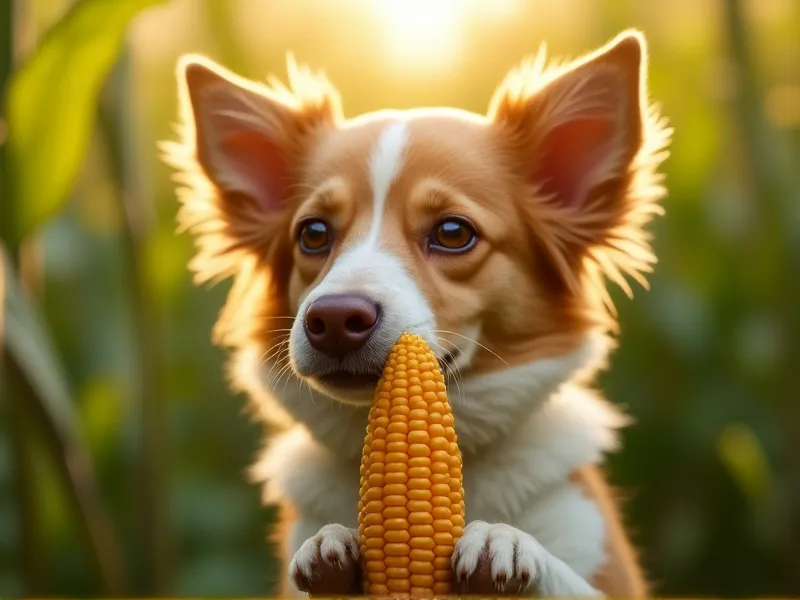
Table of Contents
- Can Dogs Eat Corn Cobs? The Short Answer
- The Benefits of Corn Kernels (Yes, Kernels!)
- The Hidden Dangers: Risks of Corn Cobs for Dogs
- Choking Hazard: A Silent Threat
- Intestinal Blockage: A Life-Threatening Emergency
- Stomach Upset and Discomfort
- How Much Corn Is Safe for Dogs? (Kernels Only!)
- Healthier Alternatives to Corn for Dogs
- Frequently Asked Questions (FAQ)
- Conclusion: Prioritize Your Pup’s Safety
- References
Can Dogs Eat Corn Cobs? The Short Answer
No. Dogs should never eat corn cobs—even small pieces. While the corn kernels (cooked, plain, and in moderation) are generally safe for dogs, the cob itself is a serious choking and intestinal hazard. Unlike humans, dogs cannot digest the tough, fibrous material of the cob, and it can easily get stuck in their throat or digestive tract, leading to life-threatening complications.
The Benefits of Corn Kernels (Yes, Kernels!)
Before we focus on the dangers of the cob, let’s clarify: cooked, plain corn kernels (not the cob) can be a safe, occasional treat for dogs. Corn is more than just a BBQ side—it’s packed with nutrients that can benefit your pup in small amounts. Here’s why:
Nutrient-Rich Goodness
Corn kernels are a source of essential vitamins and minerals, including:
- Vitamin B: Thiamine (B1) supports brain function and energy metabolism; niacin (B3) aids in digestion and skin health.
- Fiber: Helps regulate digestion and keep your dog’s gut healthy (though too much can cause diarrhea).
- Potassium: Supports heart health and muscle function.
- Antioxidants: Lutein and zeaxanthin promote eye health, while beta-carotene converts to vitamin A, which is vital for vision and immune function.
A Low-Fat, Low-Calorie Treat
Compared to high-fat treats like cheese or bacon, plain corn kernels are low in fat and calories, making them a good option for dogs watching their weight—as long as they’re served plain (no butter, salt, sugar, or seasonings).
The Hidden Dangers: Risks of Corn Cobs for Dogs
Now, let’s get to the real concern: the corn cob. Even if your dog seems to “chew” the cob into small pieces, it’s not safe. Here’s why the cob is never worth the risk:
Choking Hazard: A Silent Threat
Corn cobs are hard, cylindrical, and slippery—perfect for getting lodged in a dog’s throat. Small dogs, in particular, are at risk, but even large breeds can choke on a chunk of cob. Signs of choking include:
- Gagging, retching, or pawing at the mouth
- Difficulty breathing or blue gums
- Panic or distress
If your dog is choking, act fast: Perform the Heimlich maneuver for dogs (if trained) and contact your vet immediately.
Intestinal Blockage: A Life-Threatening Emergency
The biggest danger of corn cobs is intestinal blockage. The cob’s tough, indigestible fiber doesn’t break down in a dog’s stomach or intestines. Instead, it can get stuck, blocking the flow of food and waste. This is a medical emergency—if left untreated, a blockage can cause tissue death, infection, or even death within hours or days.
Signs of intestinal blockage include:
- Vomiting (especially after eating)
- Diarrhea or inability to defecate
- Loss of appetite
- Lethargy or weakness
- Abdominal pain (your dog may whimper when you touch their belly)
If you suspect your dog has eaten a corn cob and notice any of these symptoms, call your vet or an emergency animal hospital right away. Treatment often requires surgery to remove the blockage, and delays can be fatal.
Stomach Upset and Discomfort
Even if the cob doesn’t cause a full blockage, it can irritate your dog’s digestive tract, leading to vomiting, diarrhea, or stomach pain. This is especially true for dogs with sensitive stomachs or those who eat large pieces of cob.
How Much Corn Is Safe for Dogs? (Kernels Only!)
If corn kernels are safe, how much can you share? As with any treat, moderation is key. Here’s a general guideline:
- Small dogs (under 20 lbs): 1–2 tablespoons of plain, cooked corn kernels per week.
- Medium dogs (20–50 lbs): 2–3 tablespoons per week.
- Large dogs (over 50 lbs): ¼ cup per week.
Important rules for serving corn kernels:
- Cook it: Raw corn is harder to digest and may cause stomach upset.
- Keep it plain: No butter, salt, sugar, chili powder, or other seasonings. These can be toxic (e.g., garlic, onion powder) or lead to obesity.
- Remove the cob: Always cut kernels off the cob before feeding—never let your dog near the cob!
Healthier Alternatives to Corn for Dogs
If you want to treat your dog to a veggie-based snack, there are safer, more nutrient-dense options than corn. Here are some favorites:
1. Carrots
Crunchy, low-calorie, and packed with vitamin A, carrots are great for dogs’ teeth and vision. Serve raw (sliced into bite-sized pieces) or cooked.
2. Green Beans
High in fiber and vitamins, green beans are a low-carb, low-calorie treat. Steamed or raw (chopped) works—just skip the salt.
3. Sweet Potato
Cooked, mashed sweet potato is rich in fiber, beta-carotene, and potassium. It’s a great source of energy for active dogs.
4. Blueberries
Tiny but mighty! Blueberries are loaded with antioxidants and vitamin C, making them a perfect summer snack (frozen blueberries are a hit on hot days).
5. Cucumber
Hydrating and low in calories, cucumber is ideal for dogs on a diet. Remove the seeds and skin (if waxed) and slice into spears.
Frequently Asked Questions (FAQ)
Q: My dog ate a corn cob—what should I do?
A: Don’t wait for symptoms. Contact your vet immediately. Even if your dog seems fine, the cob could be causing a blockage that hasn’t shown symptoms yet. Your vet may recommend monitoring, x-rays, or emergency treatment.
Q: Can dogs eat canned corn?
A: Canned corn is often high in salt or sugar, which is bad for dogs. If you must share, choose no-salt-added canned corn, drain and rinse it thoroughly, and serve a tiny amount (1–2 teaspoons for small dogs). Fresh, cooked corn is better.
Q: Is popcorn safe for dogs?
A: Plain, air-popped popcorn (no butter, salt, or oil) is safe in small amounts. Avoid microwave popcorn (contains harmful chemicals) and unpopped kernels (choking hazard).
Q: Why do some dog foods include corn?
A: Corn is a common ingredient in dog food because it’s affordable and provides carbohydrates, fiber, and nutrients like B vitamins. However, it’s not a “filler”—high-quality dog foods use corn as part of a balanced diet. If your dog has a corn allergy, look for grain-free options.
Q: Can puppies eat corn kernels?
A: Puppies can have small amounts of cooked, plain corn kernels, but their digestive systems are more sensitive. Stick to puppy-safe treats like carrots or cooked pumpkin until they’re older.
Conclusion: Prioritize Your Pup’s Safety
Corn cobs might seem harmless, but they’re a hidden danger for dogs. While plain, cooked corn kernels can be a safe, occasional treat, the cob itself is never worth the risk of choking or intestinal blockage.
This summer, enjoy your BBQs with peace of mind: Keep corn cobs out of your dog’s reach, opt for safer veggie treats like carrots or green beans, and always consult your vet if your dog eats something they shouldn’t.
Your furry friend’s health is worth the extra caution—and they’ll thank you with tail wags and slobbery kisses (even without the corn cob).
References
- American Veterinary Medical Association (AVMA). “Corn and Your Pet’s Diet.” avma.org
- American Society for the Prevention of Cruelty to Animals (ASPCA). “People Foods to Avoid Feeding Your Pets.” aspca.org
- VCA Animal Hospitals. “Intestinal Obstruction in Dogs.” vcahospitals.com
- PetMD. “Can Dogs Eat Corn?” petmd.com